Showing posts with label Stephen Hawking. Show all posts

Saturday, January 8, 2022

Schools : Professor Stephen Hawking : Google Arts & Culture exhibition & other virtual resources


Stephen Hawking

via Financial Times

Anyone, anywhere in the world should have free, unhindered access to not just my research, but to the research of every great and enquiring mind across the spectrum of human understanding."

Stephen Hawking

Happy birthday Professor Stephen Hawking! The cosmic superhero never ceased to amaze his admirers. I am one of his admirer!

As I do during the first week in January every year, I took some time off to relax with family. 

Well, today, 8 January let's talk about Stephen Hawking...


  • Google Doodle:

Today, 8 January, Google released a Doodle celebrating what would have been Stephen Hawking’s 80th birthday. One of history’s most influential scientific minds, English cosmologist, author, and theoretical physicist. 

From colliding black holes to the Big Bang, his theories on the origins and mechanics of the universe revolutionized modern physics while his best-selling books made the field widely accessible to millions of readers worldwide. 
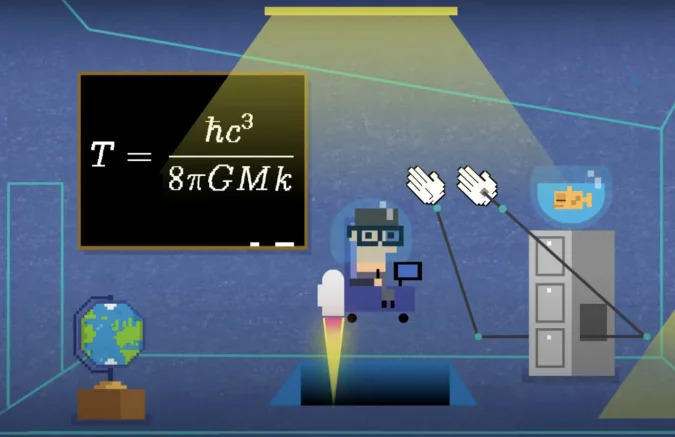


Stephen Hawking's 80th Birthday


Google worked with his family to create a video Doodle that gives us a condensed version of his life. Moreover, the tech giant used Hawking's famous computer-generated voice to narrate his work and experiences from the time he graduated. 

The two and a half minute-long video gone live in the US at midnight ET 8 January (9pm PT) and includes a narration in the physicist’s own computer-generated voice (created and used with permission from his estate) outlining his work and painting a message of hope for the future.
"Here’s to an innovator whose astronomical impact changed how the world understands the universe!" 

Doodler Matthew Cruickshank


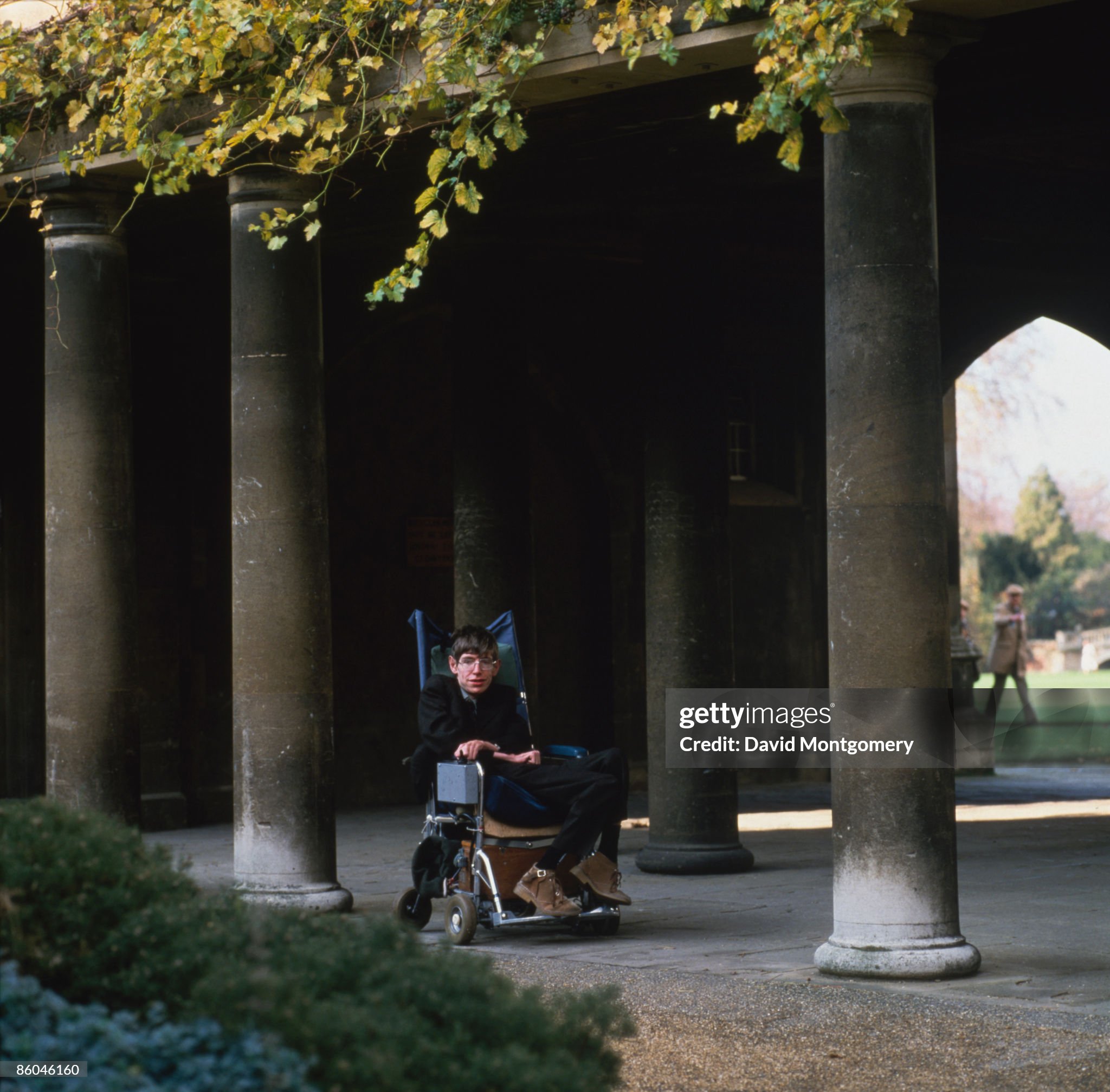
Stephen Hawking
credit: David Montgomery/ Getty Images

  • Some biographical facts:

As we know, Stephen William Hawking was born on this day in 1942 in Oxford, England. Fascinated by how the universe functioned from a young age, his curiosity and intellect earned him the nickname “Einstein.” 

Following a diagnosis with a neurodegenerative disease at 21, the music of composer Richard Wagner and the loving support of his future wife Jane Wilde motivated Hawking to dedicate himself to physics, math, and cosmology. 

In 1965, Hawking defended his doctoral thesis at the University of Cambridge, Properties of Expanding Universes, which presented the revolutionary theory that space and time originated from a singularity, a point both infinitely small and dense, best known today as the key characteristic of black holes. 
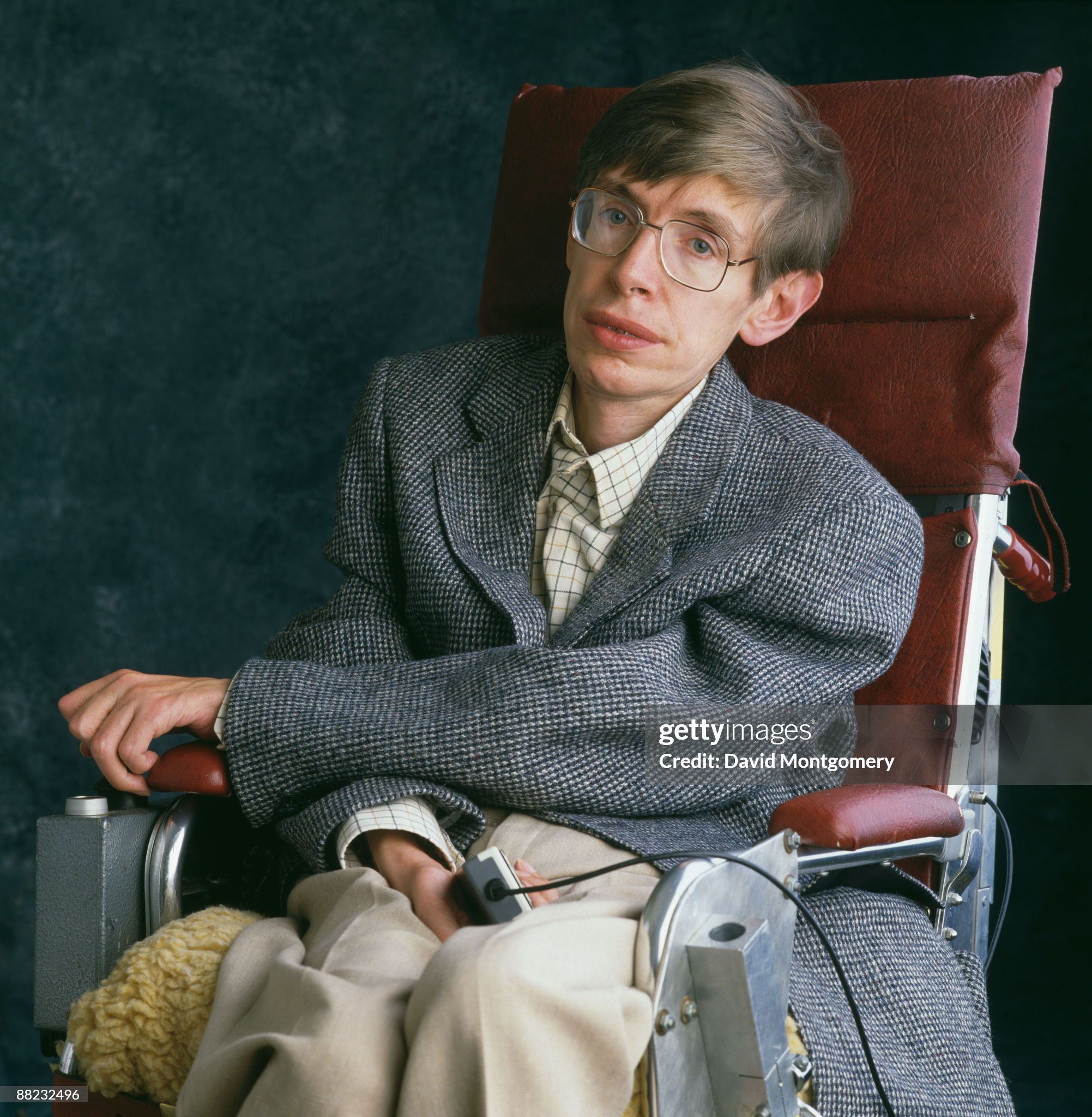


Stephen Hawking

credit: David Montgomery/ Getty Images

https://www.gettyimages.com/


That year, Hawking was accepted as a research fellow at Cambridge’s Gonville and Caius College - his academic home for a lifetime of research. Hawking’s obsession with black holes led to his 1974 discovery that particles could escape black holes. This theory, coined Hawking radiation, is widely considered his most important contribution to physics. 
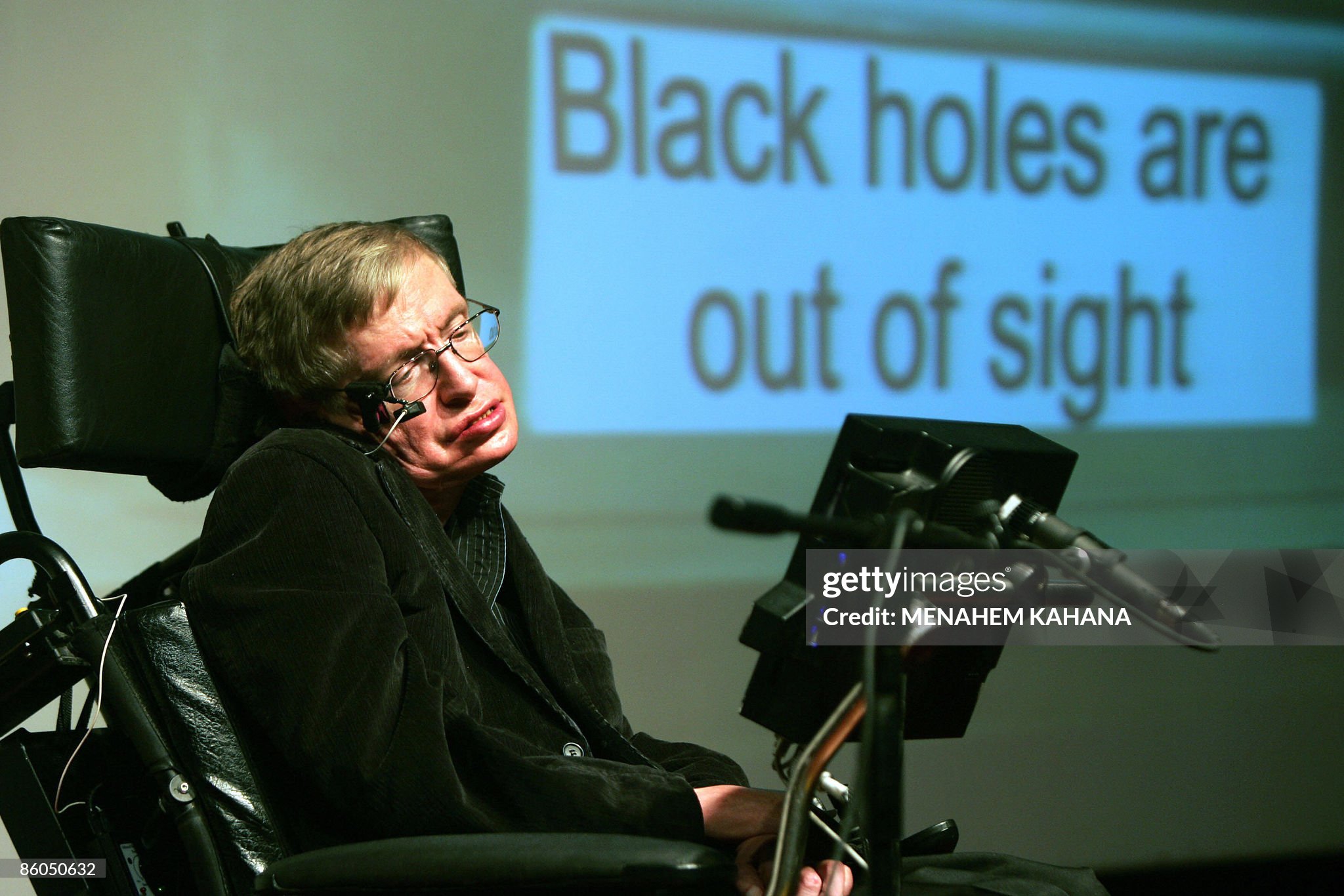


credit: Menanhem Kahana/ AFP/ Getty Images


In 1979, Hawking’s groundbreaking work on black holes prompted Cambridge to appoint him as the Lucasian Professor of Mathematics, a position held by Isaac Newton in 1669. Hawking’s doctoral thesis was released to the public in 2017 on a University of Cambridge website, which crashed due to enormous amounts of traffic.
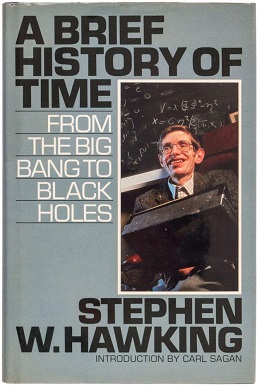


A brief
ster
1st edition (1988)


In 1988 Hawking catapulted to international prominence with the publication of A Brief History of Time. The short, informative book became an account of cosmology for the masses and offered an overview of space and time, the existence of God and the future. 

The work was an instant success, spending more than four years atop the London Sunday Times' best-seller list. Since its publication, it has sold millions of copies worldwide and been translated into more than 40 languages. 
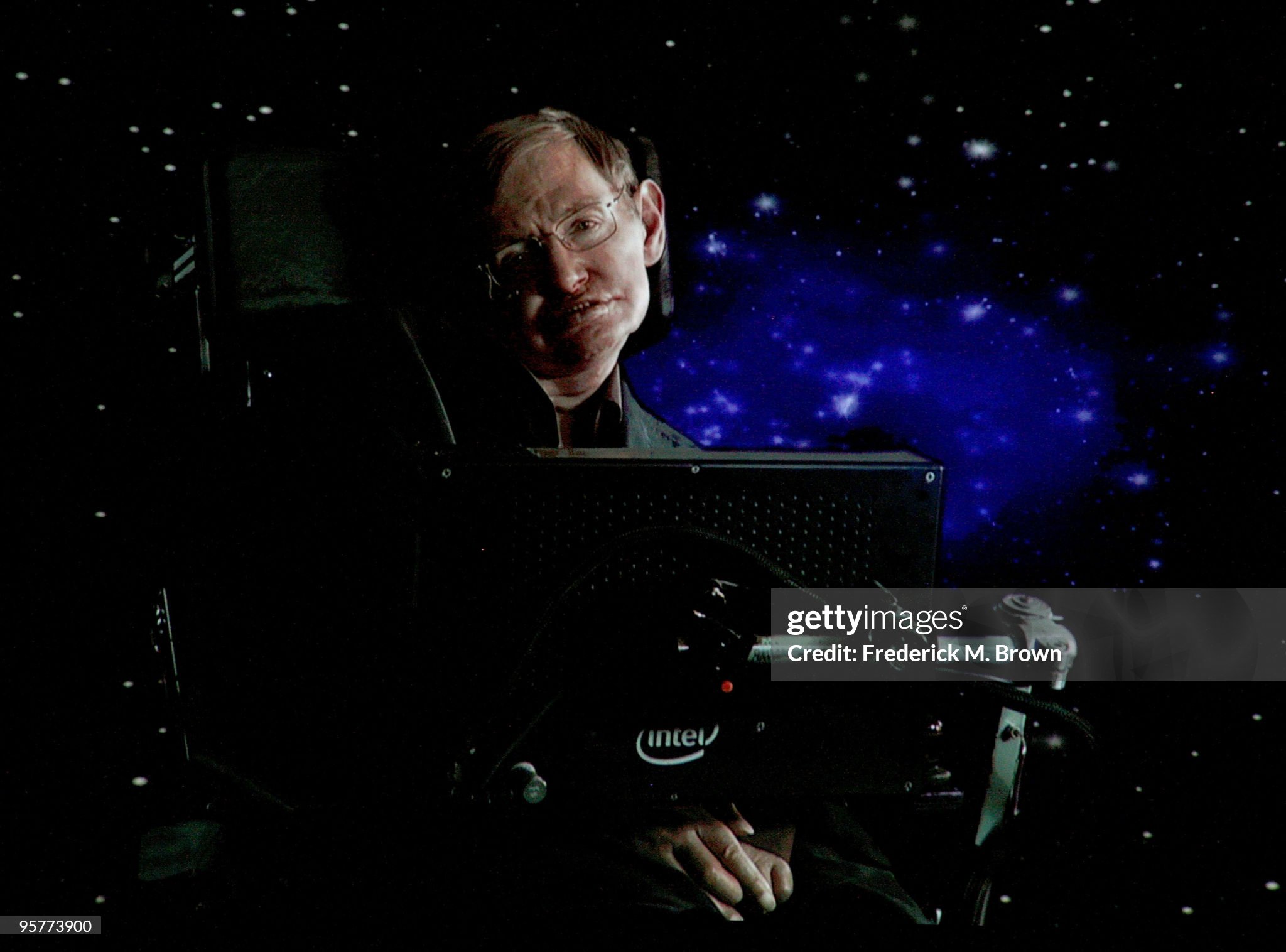


Stephen Hawking
credit: Frederick M. Brown/ Getty Images, 2010


The scientific icon and cultural figure made tremendous contributions to physics and cosmology, deepening and expanding our understanding of the universe, and the lifecycle of black holes.

He also made grave warnings about the future of the planet.

In recent years, Hawking has implored humanity to keep thinking about the long-term future of our species. He has expressed grave concern about climate change and whether we should consider the advent of artificial intelligence (AR) as a threat to humanity. 


Stephen Hawking
Bedder/Getty Images 
for Breakthrough Prize Foundation

He has said colonizing other planets will be essential for our long-term survival. 

“We are running out of space and the only places to go to are other worlds,” 

Stephen Hawking
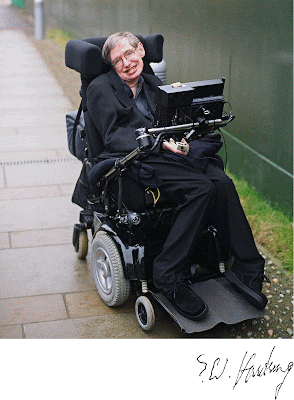


Stephen Hawking
The Royal Society


Education:

"Extraordinary quotes on life and the universe would make a wonderful short animated film. Not only is animation visual, its fundamentals are built on time and space, subjects that align perfectly with cosmology."

Doodler Matthew Cruickshank

Stephen Hawking would've turned 80 on January 8th, 2022 had he still been alive. While he's no longer with us, his contribution to our understanding of the universe remains immense and shouldn't be forgotten. 

As teachers, we can not forget neither our students the physicist and brighter star Stephen Hawking as an innovative mind, a visionary and creative mind in the field of cosmology. 

We must pay tribute to a man who didn't give up diagnosed with motor neurone disease at the age of 21. His courage, persistence and scientific work inspired us as global audiences in the millions. 

The message? 

"To approach life with the energy, humor, and optimism that Stephen did every day."

Doodler Matthew Cruickshank


Resources: 

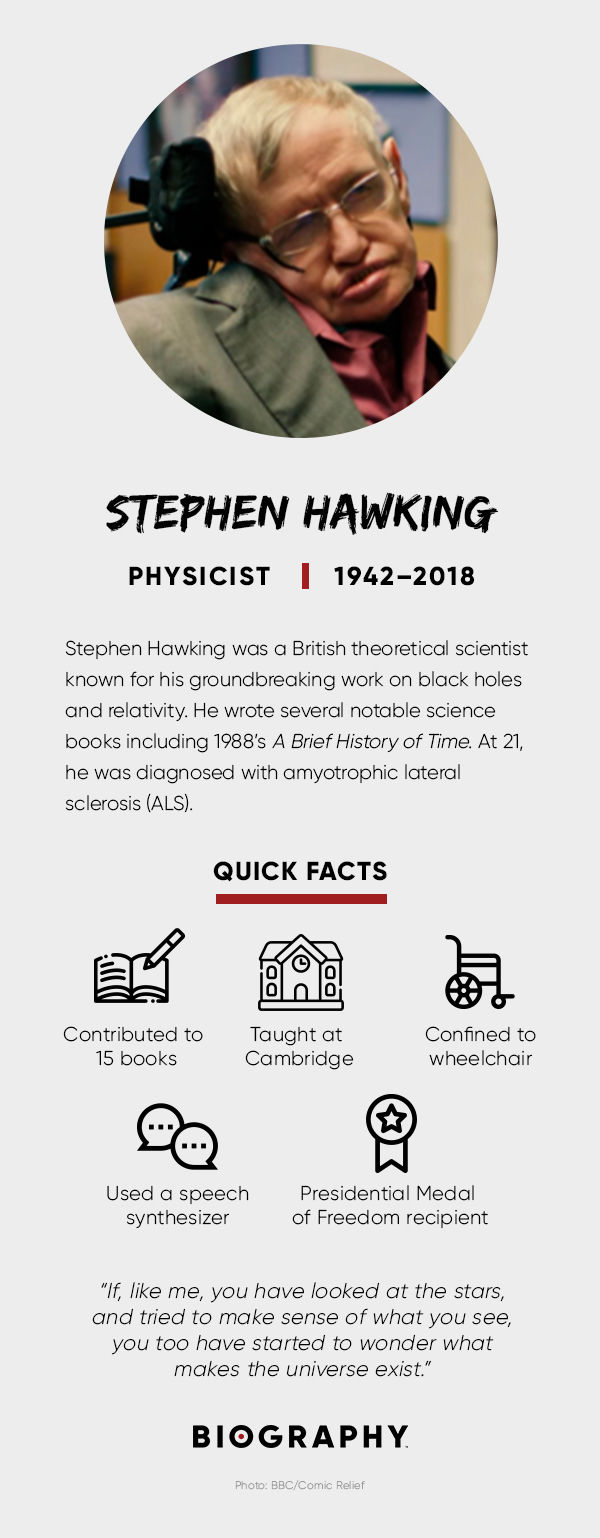
  • Infographics


credit: BBC/ Comic Release
via Biography


  • Google Arts & Culture

Google Arts & Culture is celebrating Stephen Hawking with a new exhibition : "Meet the man who changed our understanding of the Universe!"


"Meet the man who changed our understanding of the Universe!"


"It can be done!"

Teachers! Here's a wonderful motivation to include Stephen Hawking into your school curricula. Every curriculum! The virtual exhibition on Google Arts & Culture is marvelous. The introduction is so touching! His message of hope to a better understanding of our planet must be seen and heard by our students!

"I have spent my life travelling across the universe inside my mind."


To young students, begin with the video doodle. They will love hear the voice of the scientist. And will follow him.

"Be brave, be curious, be determined!" 


G-Souto

08.01.2022
Copyright © 2022G-Souto'sBlog, gsouto-digitalteacher.blogspot.com® 
Licença Creative Commons
Schools : Prof. Stephen Hawking : Google Arts & Culture exhibition & other resources ! by G-Souto is licensed under a Creative Commons Attribution-NonCommercial-NoDerivatives 4.0 International License.

Friday, January 4, 2019

Education : Best of 2018 : Semester #1


Three Kings Day
credits: unknown

Looking back 2018 I've come up with a roundup of what's been the best post of my blog The Digital Teacher G-Souto

As I do during the first days in January every year, I am taking some time off to relax with family and prepare for the new year. Yes! We have the Three Kings Festive Day on the 6 January. Not so important as in Spain, but important. It's the end of the Feast of Epiphany.

So, I will be featuring the most popular posts of the year 2018,#Semester1.

Below you’ll find the top posts along the first semester 2018 containing different themes: education & technology, apps, languages, arts, science, history, environment, literature, e-safety, bullying, sports, dance, children's rights among other.

The selection is based on page views but also based on pedagogical relevance of the most-read posts.

I kept the order of the most viewed, but eliminated the posts that seemed less relevant. The main reason? Sometimes some posts acquire too much visibility, not for their value but for the keywords that the search engines "like" indexing.


Je suis ravie de partager avec vous le Top des billets les plus lus du 1er semestre 2018. Vous êtes de plus en plus nombreux à me suivre au jour le jour. Je me rends compte que les étudiants aussi me visitent.

Je vous en remercie, chers enseignants, chers lecteurs, de votre intérêt et m’efforce d’être toujours au plus proche des événements concernant des idées pédagogiques pour vous présenter les dernières ressources pédagogiques, au numérique ou pas. Le numérique prend de plus en plus la placeLes technologies donnent aux jeunes étudiants et à leurs professeurs des possibilités qu'il faut en profiter en les introduisant dans les cours.


Des ressources aux grandes thématiques: histoire, lanques, science, harcèlement, culture, littérature, films, applis, sport, danse arts. 

Des ressources en ligne, et des adaptations personnelles Ã  l'enseignement de façon à permettre à tous les élèves la réussite dans leur parcours scolaire.


Here are the 1st semester's most popular posts of 2018:


Le Top des posts du 1er semestre 2018:


Tribute to Stephen Hawking
credits: cartoon art by David Hayward


My tribute of the #1st semester 2018? See you Prof. Stephen Hawking at the stars ! The loss of this great physicist made the all world less brighter!


As a teacher, I can't forget the great physicist and brighter star Stephen Hawking as an innovative mind, a visionary and creative mind in the field of cosmology. My deepest tribute to the man who didn't give up diagnosed with motor neurone disease at the age of 21. His courage, persistence and scientific work inspired me as global audiences in the millions. 


With his courage, humour, and sapience helped me and all the teachers and practitioners in the world to bring appealing science and humanities into school curriculum.

Curricula became more captivating for students and easier for teachers to enhance skills in formal or informal learning. Professor Hawking made us to look at the stars!

"It would not be much of a universe if it wasn’t home to the people you love."

Stephen Hawking


Hoping to have inspired you in your lessons all over the year.

May 2019 be a successful year for all those teachers who teach with passion! Guiding our students to the future should be a mission from the heart!

G-Souto

04.01.2019
Copyright © 2019G-Souto'sBlog, gsouto-digitalteacher.blogspot.com®

Creative Commons License
Education : Best of 2018 : Semester #1 bG-Souto is licensed under a Creative Commons Attribution-NonCommercial-NoDerivatives 4.0 International License.

Tuesday, April 10, 2018

March in Review & Science : How far is far ? S. Chandrasekhar


Artist’s illustration of the Chandra spacecraft in orbit
Photo Credit: Marshall Space Flight Center

“Twinkle, twinkle little star, how I wonder what you are.”  

How far is far? To help put ‘space’ in perspective, Chandra X-ray Observatory takes us on a journey from some of the smallest to some of the largest distances in our universe.


The clearest way to define distance is as “the amount of space between two points.” But how far is far?

This short video compares distances from the very small to the very far, from the distance between gravitational waves to the distance to some of the farthest galaxies.

An interesting digital resource to include into your science lesson.

  • And why 'Chandra' telescope?

Chandra X-ray Observatory is in orbit around the Earth. It was launched in 1999. And next year marks the 20th anniversary of NASA's Chandra X-ray Observatory launch into space. 


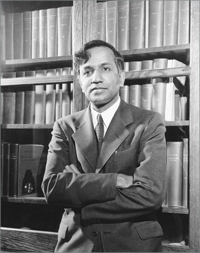
S. Chandrasekhar
credits: AIP

“Twinkle, twinkle little star, how I wonder what you are.” 

Roger Brissenden outlines some recent successes of the telescope and discusses the achievements of Subrahmanyan Chandrasekhar the Indian born astrophysicist after whom the telescope is named. 


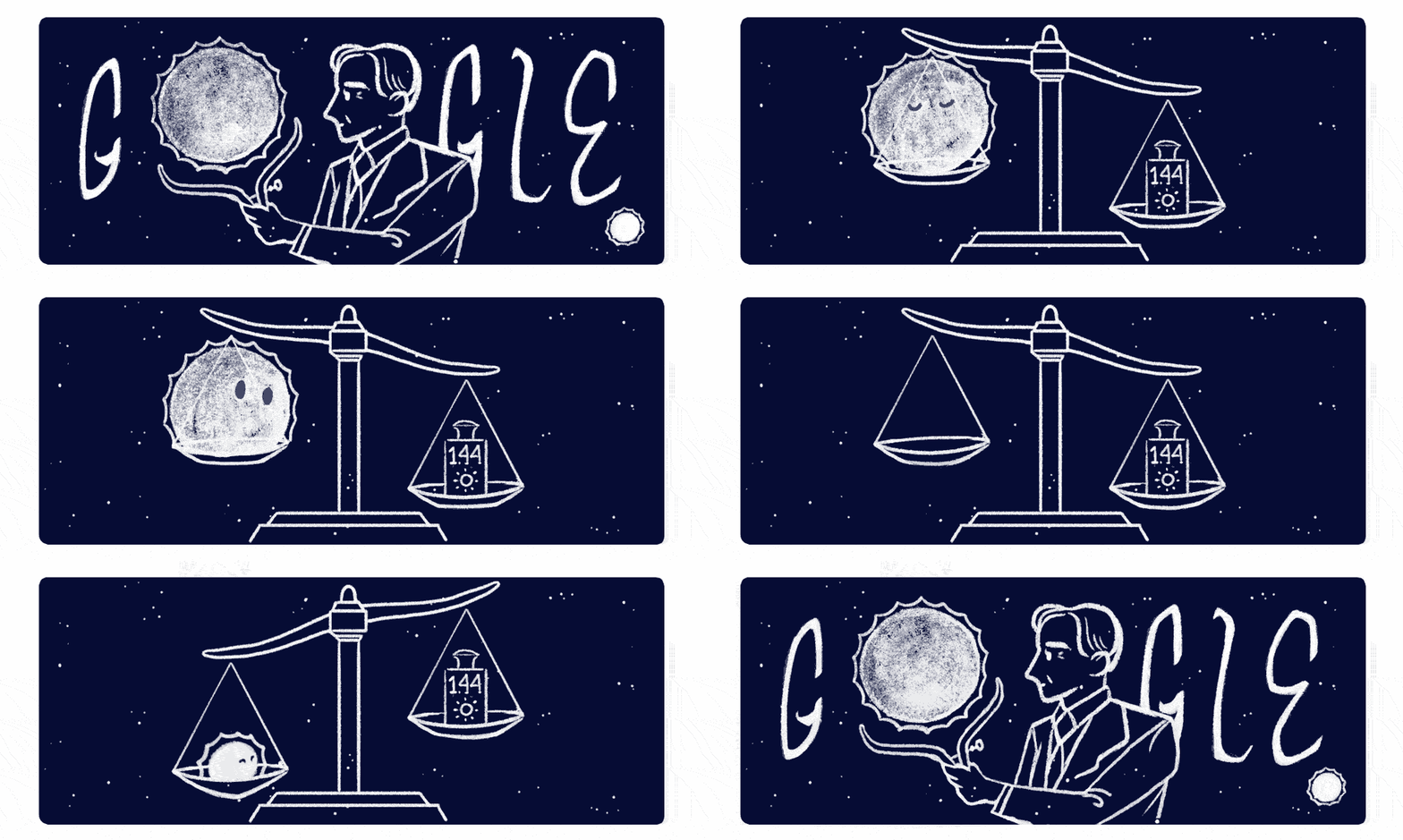
Google S. Chandrasekhar’s 107th Birthday (2017)
https://www.google.com/doodles/


Arguably the greatest astrophysicist of the twentieth century, his name is in every astronomy book. From the upper mass limit of a white dwarf, Chandrasekhar’s limit, to the orbiting Chandra X-ray telescope, he left his mark on the very concepts and vocabulary that physicists and astronomers use today. Prof Subrahmanyan Chandrasekhar received the Nobel Prize in Physics 1983.


X-ray Universe:
NASA's Chandra X-ray Observatory 
iPhone app

Education:

Teachers, invite your students to visit Chandra X-ray Observatory website. There are featured resources, app, interactive games, activities and quizzes that you can explore into your lessons.

As well, at the end of every month I put together a list of the most popular posts. You will find posts written in English and Portuguese. 

And now, it's time to the review of the most popular posts of March:
    Here are the most popular posts of the last month:


Wherever you are, I hope you are happy to come back to school after Easter holiday.
Thanks all the educators from around the world who kindly continue to read my blog every day. 

The classroom must be an open window to the world. Students must feel free to talk and share ideas about all the subjects they care about, in and around every curriculum.

Have a nice time wherever you are! Here, rainy time!

G-Souto

10.04.2018
Copyright © 2018G-Souto'sBlog, gsouto-digitalteacher.blogspot.com®


Creative Commons License
March in Review & Science : How far is far ? S. Chandrasekhar bG-Souto is licensed under a Creative Commons Attribution-NonCommercial-NoDerivatives 4.0 International License.