Showing posts with label natural disasters. Show all posts

Saturday, January 30, 2021

Education : Best of 2020 : Semester #2


Stay at home
free icons
via Flaticon


Looking back 2020 I've come up with a roundup of what's been the best posts of my blog The Digital Teacher G-Souto, semester #2

I'm respecting lockdown since December. Yes, like the most European countries and other countries around the world. Not easy to survive without seeing family and friends. And no culture at all. 


credits: Matthew Horwood/ Getty
via Guardian Education

Teachers continue in the frontlines of enabling the sudden shift to remote learning. Within a matter of months, educators have had to quickly adapt their engaging, aligned, in-person lessons into online learning for their students, during 2020 and now they continue in 2021.

"I believe all children should be able to attend school full-time, if at all possible, for many different reasons, such as social development, a safe place to be when parents are out working, and a range of cultural and sporting activities that would be difficult to do at home, as well as the importance of learning with skilled, trained teachers and other students."

Tony Bates

It's my conviction too. Children and teen are happier at school, learn better, develop social skills. They need to be among their school mates, learn in-person lessons, having their teachers near. I was hoping this time could be back soon. But it's not possible in the most world countries, Europe, North America, South America. Schools are closed. We don't know much about Asian schools.


via YS News

Interacting with teachers and classmates mostly through websites and online programs, distance learning provides an alternative to in-person classes. But that alternative will now remain the norm for students.

Parents said the ongoing school shutdown has been a challenge for family, but they’re making it work.

Below you’ll find the top posts of second semester 2020 containing different themes: education & IT, Covid-19 global education campaign, languages, art, science, music, resilient youth, environment & natural disasters, literature, children's books.

The selection is based on page views but also based on pedagogical relevance of the most-read posts.

I kept the order of the most viewed, and eliminated the posts that seemed less relevant. The main reason? Sometimes some posts acquire too much visibility, not for their value but for the keywords that the search engines "like" indexing.

My usual readers know I'm writing in English, French, and Portuguese.


Étudier à la maison
crédits: Agnès B


Je suis ravie de partager avec vous le Top des billets les plus lus sur mon blog The Digital Teacher G-Souto, 2e semestre 2020. Vous continuez à me suivre quotidiennement. Je me rends compte que souvent des étudiants me visitent.

Je vous en remercie, chers enseignants, chers lecteurs, de votre intérêt et m’efforce d’être toujours au plus proche d'événements concernant des idées pédagogiques afin de vous présenter des ressources et outils pédagogiques, au numérique ou pas. 

Pas si souvent comme les années d'avant. Le confinement, les école à moitié fermées, nous laissent un peu sans la volonté nécessaire d'avancer

Les technologies ont donné à cette année de Covid-19 les outils nécessaires pour l'enseignement à distance. Mais dans quelques pays, les écoles ont été réouvertes. Comme chez nous jusq'au 20 janvier. Écoles fermées, les vacances Carnaval/ Pâques ont été avancées. Et l'enseignement à distance revient le 8 février prochain.


crédits: Cedric Bufkens/ SIPA
via Nouvel Obs éducation

En France, seuls 12 % des étudiants peuvent suivre leurs cours en présentiel. En Europe et un peu partout l'enseignement à distance.

Des grandes thématiques: éducation & IT, Covid-19, campagne globale éducation, langues, science, musique, jeunesse resilience, littérature, environnement, littérature jeunesse.

Des ressources pédagogiques en ligne, et des adaptations personnelles de façon à permettre à tous les élèves la réussite dans leur parcours scolaire. 

Mes lecteurs savent bien que j'écris en Anglais, Français et Portugais.


Here are the most popular posts 2e semester 2020:

Le Top des billets semestre 2, 2020:


Education : Global Campaign #SaveOurFuture in the Age of COVID-19

Science : Rosalind Franklin Centenary : Image Competition & Essay Competition

European Day of Languages : Celebrate at school or at home ! Resources & activities

Schools : Women in science : Nettie Stevens broke gender barriers ?

World Youth Skills Day : Skills for a Resilient Youth : resources

The Blue Moon Is Full on Halloween ? Wow ! It's magic !

Éducation & Arts : Nuit des Musées Chez Nous ! Plein de belles choses sur les réseaux sociaux !

 Women in science & Youth Skills Day ! Yes ! Day of Friendship !

Science : The Perseids meteor shower : Look up to the stars !

Schools : Intl Day for Disaster Reduction : Resources : game & app

Schools : Let's celebrate John Lennon ! Resources

La BD : Quino, le créateur de Mafalda : ressources & activités

Home for Christmas : A bit different. But love will be there ! Kids need the magic !

Intl Day of Persons with Disabilities

International Day of the Girl Child : My Voice, Our Equal Future !

Summer holidays, a week-end !

Happy and Healthy Year 2021 ! Hope, solidarity, serenity !

International Day of Friendship : Sharing the human spirit through friendship !


My special choice of the #2nd semester 2020? Education : Global Campaign #SaveOurFuture in the Age of COVID-19.

Why? Most governments around the world have temporarily closed educational institutions in an attempt to contain the spread of the COVID-19 pandemic.

These nationwide closures are impacting hundreds of millions of students. Several other countries have implemented localized closures impacting millions of additional learners.


Of course Covid-19 marked 2020 all over the world. And continues in 2021. The UN Secretary-General said:

"All of us face a common threat – the coronavirus – COVID 19.
Today’s declaration of a pandemic is a call to action – for everyone, everywhere.
It’s also a call for responsibility and solidarity – as nations united and as people united.
As we fight the virus, we cannot let fear go viral.
Together, we can still change the course of this pandemic – but that means addressing inaction."
António Guterres, Secretary-General UN message

Unfortunately, the world united could not change the course of the terrible pandemic. The fight is unequal. And the number of victims is horrendus.


There's hope. A vaccine was developed and people have been vaccinated on most countries. Let's learn about vaccine progress from the OHS.
Please pay attention. Follow the OHS advices.

Hoping to have inspire you in your lessons all over the year.

May 2021 be a year of hope for all of us, now the vaccines arrived. Be brave, teachers and students. And don't forget to keep social distance, and use your masks.

Teachers who teach with passion in such difficult moments. Guiding our students the best you can to help them to be to the future should be a mission from the heart! Students feel disoriented, some are mental health troubles due the pandemic time. 

G-Souto

30.01.2021
Copyright © 2021G-Souto'sBlog, gsouto-digitalteacher.blogspot.com®

Education : Best of 2020 : Semester #2 bG-Souto is licensed under a Creative Commons Attribution-NonCommercial-NoDerivatives 4.0 International License.

Tuesday, October 13, 2020

Schools : Intl Day for Disaster Reduction : Resources : game & app


credits: UNESCO

https://www.facebook.com/unesco/


"The mitigation of devastation caused by disasters is therefore a global issue that determines the future, not only of our economies and environmental heritage, but also of humanity. Let us join forces in this fight – there is no time to lose."

Audrey Azoulay, Director-General of UNESCO


Disasters induced by natural and technological hazards affect millions of people every year worldwide, but much of their impact can be reduced through pro-active measures and planning. 


International Day for Disaster Risk Reduction 2020

The International Day for Disaster Reduction, held each year on 13 October,  celebrates how people and communities around the world are reducing their exposure to disasters.

The International Day for Disaster Reduction was started in 1989, after a call by the United Nations General Assembly for a day to promote a global culture of risk-awareness and disaster reduction. 


World map
source: US Department of State - Humanitarian Information Unit

This year’s International Day for Disaster Risk Reduction is all about governance. You can measure good disaster risk governance in lives saved, reduced numbers of disaster-affected people and reduced economic losses. 

COVID-19 and the climate emergency are telling us that we need clear vision, plans and competent, empowered institutions acting on scientific evidence for the public good.

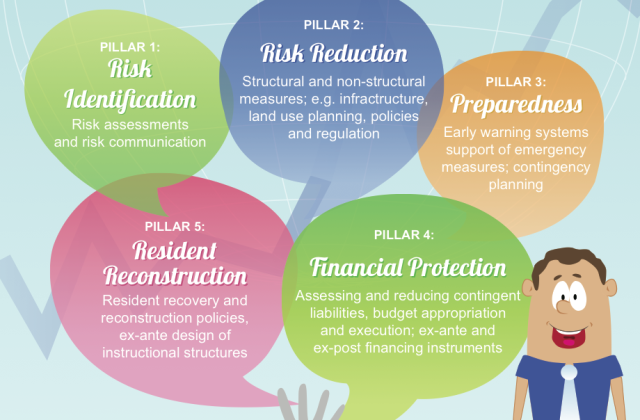
Good national and local strategies for disaster risk reduction must be multi-sectoral, linking policies in areas such as land use, building codes, public health, education, agriculture, environmental protection, energy, water resources, poverty reduction and climate change adaptation.


Although it is impossible to completely eliminate disaster risk, countries that design policy and legislative frameworks and that prepare their institutions in line with the goal, targets and priorities for action of the Sendai Framework, have greater capacity to manage disaster risk and therefore to reduce the impact of disasters when they occur. 

  • Theme 2020:"Good disaster risk governance."

"We need to see strategies that address not just single hazards like floods and storms, but those that respond to systemic risk generated by zoonotic diseases, climate shocks and environmental breakdown."

UN

This year’s theme is focused on conveying the message that "many disasters can be avoided or prevented if there are disaster risk reduction strategies in place to manage and reduce existing levels of risk and to avoid the creation of new risk".


Education:

When natural hazards strike, education is often the first service interrupted & the last resumed.

Disasters have a major impact on children, youth and education systems. Studies of disaster trends and the likely consequences of climate change suggest that each year 175 million children are likely to be affected by natural hazard related disasters alone.


Haiti earthquake, 2010

https://www.unicefusa.org/

In January 2010, some 38,000 students and 1,300 teachers and education personnel died in Haiti. The Ministry of Education offices were destroyed along with 4,000 schools – close to 80 % of educational establishments in the Port-au-Prince area


Sichuan earthquake, 2008
Mianzhu school, China
via AsiaNews, 2008

During the Sichuan earthquake in May 2008, approximately 10,000 students were crushed in their classrooms and more than 7,000 school rooms collapsed.

To ensure everyone's #RightToEducation, UNESCO supported schools across the world to keep more than 500,000 children & education personnel safe.

It’s time to raise our game if we want to leave a more resilient planet to future generations.

Resources: 

  • Game :Treme-Treme


Treme-Treme, game

The Treme-Treme game allows children to learn concepts in a fun way, appropriate  for their age (5-9 years).

This educational game promotes a playful awareness for children about the theme of seismic risk, transmits knowledge and encourages the new generations to become aware and to be prepared for hazard.


Treme-Treme, game

Languages: 

  • The game is available in English and Portuguese
  • It's free of charge through the website. 
  • Treme-Treme offers the possibility to play on computer, mobile or tablet.

Treme-Treme is a game that allows children to learn concepts in a funny way, very appropriate  for their age, to be alert about tsunami and earthquakes.


Treme-Treme, game

The game promotes:

A playful awareness for children about the theme of seismic risk;

Transmits knowledge and encourage kids and young people to become aware, and to be prepared for natural disasters as earthquakes.

The game will teach kids how to act before, during and after an earthquake.

They will learn to built an emergency kit and learn to recognize the safe and dangerous spots at home, school, park, other.

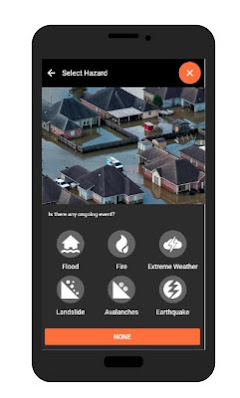
  • App


screenshot I-React/ app
Google Play


I-React an app to help to be prepared and to have all the tools we need to fight against disasters. The app also includes a set of tips & quizzes on what to do before, during and after a weather-related emergency. All of this in your pocket!

I-REACT is an innovation project funded by the European Commission to aim to use social media, smartphones and wearables to improve natural disaster management.

Updated: 18 February 2020. Watch the videos and details here.


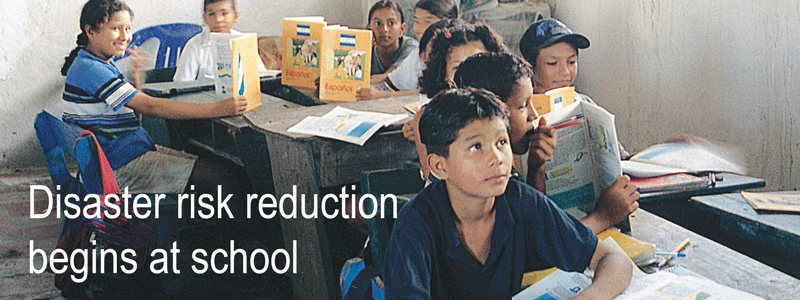
Education for Disaster Reduction (DRR) takes into account the relationships between society, environment, economy, and culture and their impacts. 

It also promotes critical thinking and problem-solving as well as social and emotional life skills that are essential to the empowerment of groups threatened or affected by disasters.

As educators, we must to give children and young students the skills to keep themselves safe. Knowing how to sniff out trouble, knowing how to avoid it or minimize, and knowing how to handle it when it comes knocking are key essential life skills.

G-Souto

13.10.2020

Creative Commons License
Schools : Intl Day for Disaster Reduction : Resources : game & ap bG-Souto is licensed under a Creative Commons Attribution-NonCommercial-NoDerivatives 4.0 International License

Tuesday, October 13, 2015

Schools : International Day for Disaster Reduction


"Traditional and indigenous knowledge is the indispensable information base for many societies seeking to live in harmony with nature and adapt to disruptive weather events, a warming globe and rising seas."
Secretary-General Ban Ki-moon

Today, 13 October 2015, we are celebrating the International Day for Disaster Reduction.
By resolution 64/200 of 21 December 2009 the General Assembly decided to designate 13 October as the date to commemorate the Day and to change the Day's name to International Day for Disaster Reduction
The objective of the observance is to raise awareness of how people are taking action to reduce their risk to disasters.
"Since the year 2000, almost 1 million people have lost their lives to disasters caused by natural hazards. 2 billion people have been affected. 1 trillion dollars in damage was caused."


The focus of this year’s International Day for Disaster Reduction is on the traditional, indigenous and local knowledge which complement modern science and add to an individual’s and societies’ resilience. 
For example, knowledge of early warning signals in nature can be vital to ensuring early action is taken to mitigate the impact of both slow and fast onset disasters such as droughts, heatwaves, storms and floods. 

Combined with scientific knowledge such as reports generated by meteorologists, local knowledge is vital for preparedness and can be passed on from generation to generation.

Knowledge saves lives. This day is an opportunity to focus on the vital importance of traditional indigenous and local knowledge in disaster risk reduction with respect to natural hazards.
The contribution of indigenous and local knowledge to resilience among vulnerable populations was highlighted when the tsunami occurred in the Indian Ocean in 2004. 

The third United Nations World Conference on Disaster Risk Reduction (14 18 March 2015) in Sendai, Japan, particularly emphasized the need to make this knowledge better known for the benefit of all. 


UNESCO is firmly engaged in this process, through its scientific, educational and cultural expertise. UNESCO is committed to the widest possible dissemination of indigenous knowledge to meet the challenges of climate change and natural hazards, especially in remote areas such as small islands, high altitude zones and the humid tropics. 


With climate change intensifying and millions living in vulnerable areas, the importance of disaster risk reduction is growing rapidly. Close to half of the European Commission's humanitarian aid projects are incorporating disaster risk reduction components. Through its Disaster Preparedness Programme (DIPECHO), the European Commission's Humanitarian Aid and Civil Protection department (ECHO) supports disaster preparedness activities throughout the world.


Tropical Cyclone Pam | Vanuatu

On the occasion of this International Day, Unesco is inviting Vanuatu school children recently affected by Tropical Cyclone Pam to write essays, poems and stories that depict the use of traditional and local knowledge. 

This traditional and indigenous knowledge also helps to protect the cultural heritage against natural hazards and UNESCO is committed to making the best use of it.
We cannot afford to ignore the knowledge available to us; instead, we must expand on and integrate knowledge and expertise wherever they may be found. 


Education:

We cannot afford to ignore the knowledge available to us; instead, we must expand on and integrate knowledge and expertise wherever they may be found.

With the climate changes intensifying, schools must consider to introduce in school lessons natural disasters and its consequences.


It is impossible not to talk about such tragic events in school curriculum.

I know, it is a delicate subject, students must not panic, but it's important to prepare children and young people to natural disasters and help them to reduce the consequences if they are prepared.

There are always shocking images - videos and photos - running on the internet and television.

However a great number of young people watch these events as a distant problem. Not anymore. Climate change. Students must be informed to prevent worst consequences during natural disasters.

Make questions, discuss in the classroom what it is going on around the world and why natural catastrophes such as Haiti earthquake (2010), Katrina hurricane in USA (2005), Haiyan typhoon in Philippines (2013) and Vanuatu Tropical Cyclon Pam, March 2015 are more and more frequent.

Students must have a conscious idea about natural disasters.

And we have a new environmentalist generation among our students. They involved in campaignsthey fight bad behaviors against Earth planet.

In 2013, I wrote a post Education : Stop natural disasters : resources linked to this one. You will find important resources to integrate in your lessons.


Different digital resources are available  to support the theme in your lessons. As educators, we can adapt and introduce them in school curricula to assist students as they seek learning opportunities around emotion-charged dates.

Of course every teacher must review the resources before introducing them, and evaluate one by one in school context.
  • Photography:
There are thousands of photos online (newspapers, television). It's up to every teacher make a research of the best photos adapted to the curriculum and level they teach.

You can also ask your students to search for their personal sights about natural disasters in the last years.
  • Infographic:


Key Facts Infographic 2014
credits : United Nations

  • Websites:
  • National Geographic | Education

Natural disasters contains a selection of content from NG Education about natural disasters: ideas, lessons, resources for different grades. Teachers can use them.
  • A Guide to Education in Natural Disaters here
A complete guide to Education in natural disasters that can be downloaded (PDF file).

  • Videos:


Videos are important digital resources. Students appreciate to watch videos. Please prepare previous pedagogical scripts that you must pass out your students to introduce the discussion. Videos are an ideal, and natural resource to teach and learn. 


Movies:


The Impossible (2012), the story of a tourist family in Thailand caught in the destruction and chaotic aftermath of the 2004 Indian Ocean tsunami, one of the worst natural catastrophes of our time, based a true story.

This movie shows well what is a natural disaster based on real facts. 

To explore movies in the classroom, read my previous posts Alice in Wonderland in the classroom or International Missing Children.

Curricula: Geography; Sciences; Civics; History; Languages.

Target : all levels from kindergarten to high schools.

Education for Disaster Risk Reduction (DRR) takes into account the relationships between society, environment, economy, and culture and their impacts. 
It also promotes critical thinking and problem-solving as well as social and emotional life skills that are essential to the empowerment of groups threatened or affected by disasters.

As educators, we need to give children and young adults the skills to keep themselves safe. Knowing how to sniff out trouble, knowing how to avoid it or minimize, and knowing how to handle it when it comes knocking are key essential life skills.

G-Souto

13.10.2015