Showing posts with label DST. Show all posts

Sunday, November 6, 2022

Schools : Oh no ! Fall-back time, again ! Make You Feel Crappy ?


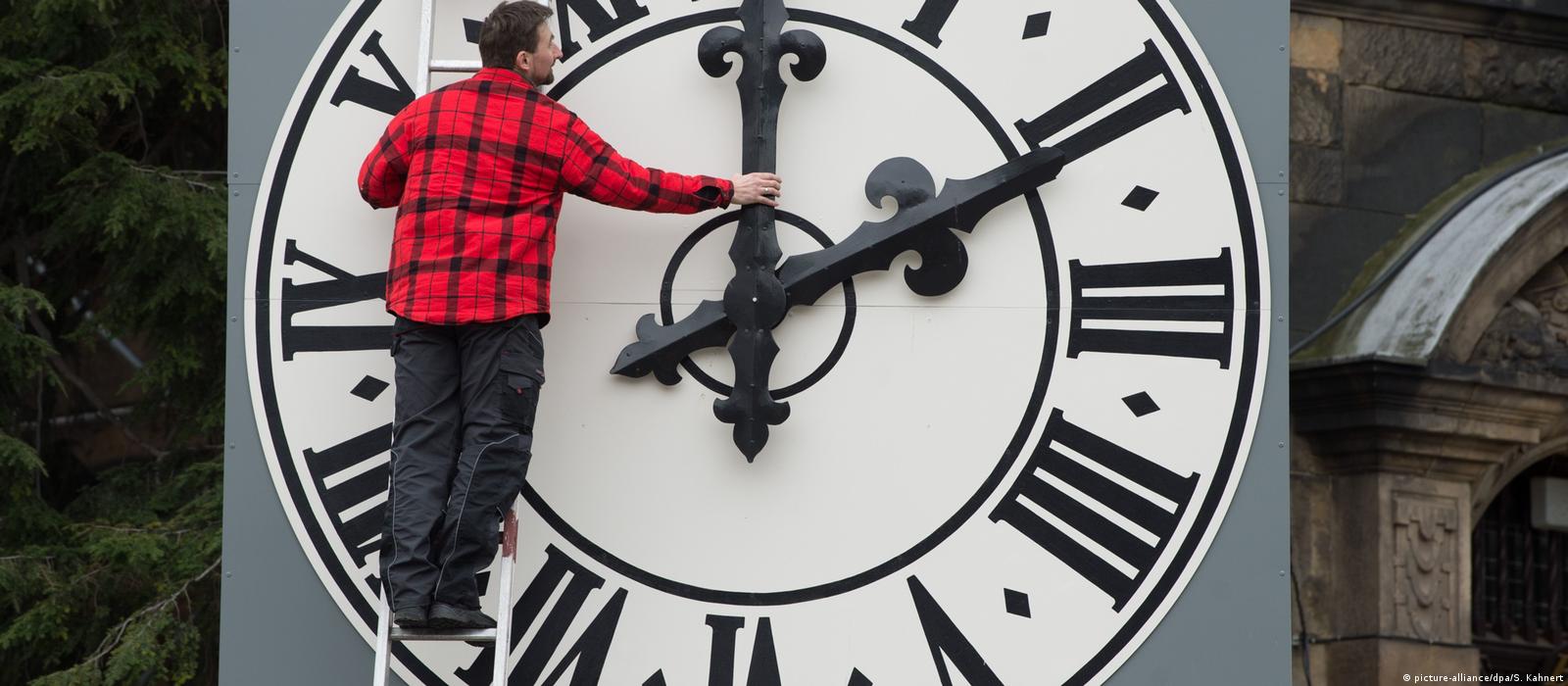
credits: Sebastian Kahnert/DPA/AFP 
via Getty Images)DPA/AFP via Getty Images

If this week already feels like a major struggle, we can probably blame the time change. Even though most of us seem to hate it, we still have to deal with daylight saving time.

Daylight Saving Time (DST) is the practice of setting the clocks forward one hour from standard time during the summer months, and back again in the fall, in order to make better use of natural daylight.

In European countries fall back time was 29 October 2022. In the United States was the 6 November 2022 both at 2:00 A.M.-

Worldwide, more than 70 countries observe daylight saving time.


Ohio clock US Capitol 
March 31, 1918

Clocks were set back 1 hour from 02:00 (2 am) to 01:00 (1 am) local time on Sunday, November 6, 2022

As always, Europe ended DST a week before the US, on October 30, 2022.
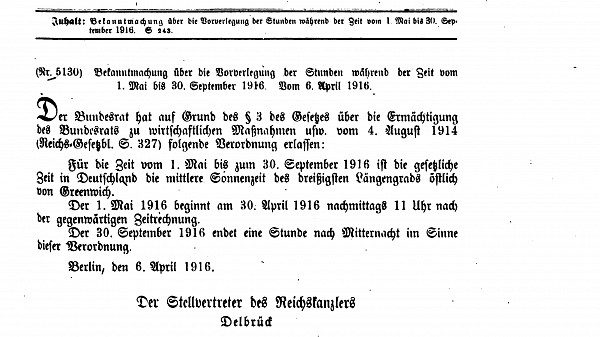


Law text for the world's first nationwide DST switch 
(Reichsgesetzblatt, German Empire, 1916)

When Germany first set the clocks forward on April 30, 1916, it became the first country in the world to use DST on a national level. However, the town of Thunder Bay in Ontario, Canada implemented DST as far back as 1908.

About DST in the US:

On March 15, 2022, the US Senate surprisingly and unanimously passed the Sunshine Protection Act. The announcement came two days after most of the US set their clocks forward one hour for DST. 

If the bill passes the next stage, permanent DST will be the new standard time in all but two states in the US. States that don’t have DST, including Hawaii and most of Arizona, may choose the original standard time.

Many states want to remove DST. 18 states have enacted legislation or passed regulations for permanent DST.


Similar situation in Europe. Most of Europe started DST on 30 October, 2022. However, frustrations with the DST clock changes have led the European Parliament to draft a law to remove DST in the European Union permanently.

The removal of DST was initially planned for 2021, but it did not happen. In 2020 and 2021, Europe, like the rest of the world, was busy handling the health and economic effects of Covid-19.


About DST in Europe:

Years after the proposal to end thseasonal changes of time across the EU was first released, Europeans will on Sunday, 29 October have to again set their clocks back, a practice that's unlikely to change soon. 

The European Commission unveiled its proposal to abolish the time change in September 2018 following a public consultation in which an overwhelming majority of the 4.6 million European citizens who took part called for the practice to be brought to an end. 

Since then, nothing. Negotiations have still not started in the European Council.
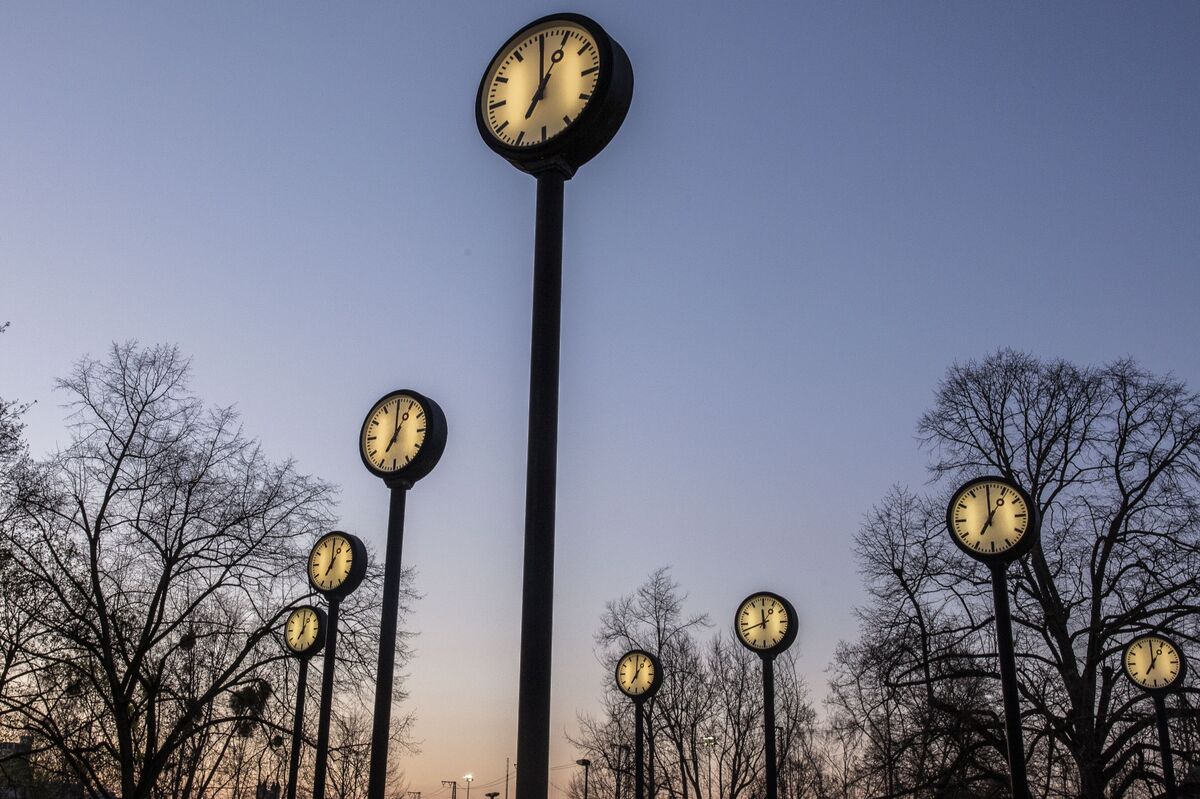


credits: : Maja Hitij/Getty Images

Massive support for halting daylight saving time:

  • Over 80 percent of respondents supported abolishing changing the clocks in summer and winter in a survey that ran between July 4 and August 16 2018, according to media reports on the results.

  • Some 4.6 million people took part in the online survey, making it the largest one in EU history.

  • The survey particularly struck a chord with Germans, with three million taking part.

Time to discuss ending seasonal clock changes has therefore been scarce.

There are currently three standard time zones in the EU:
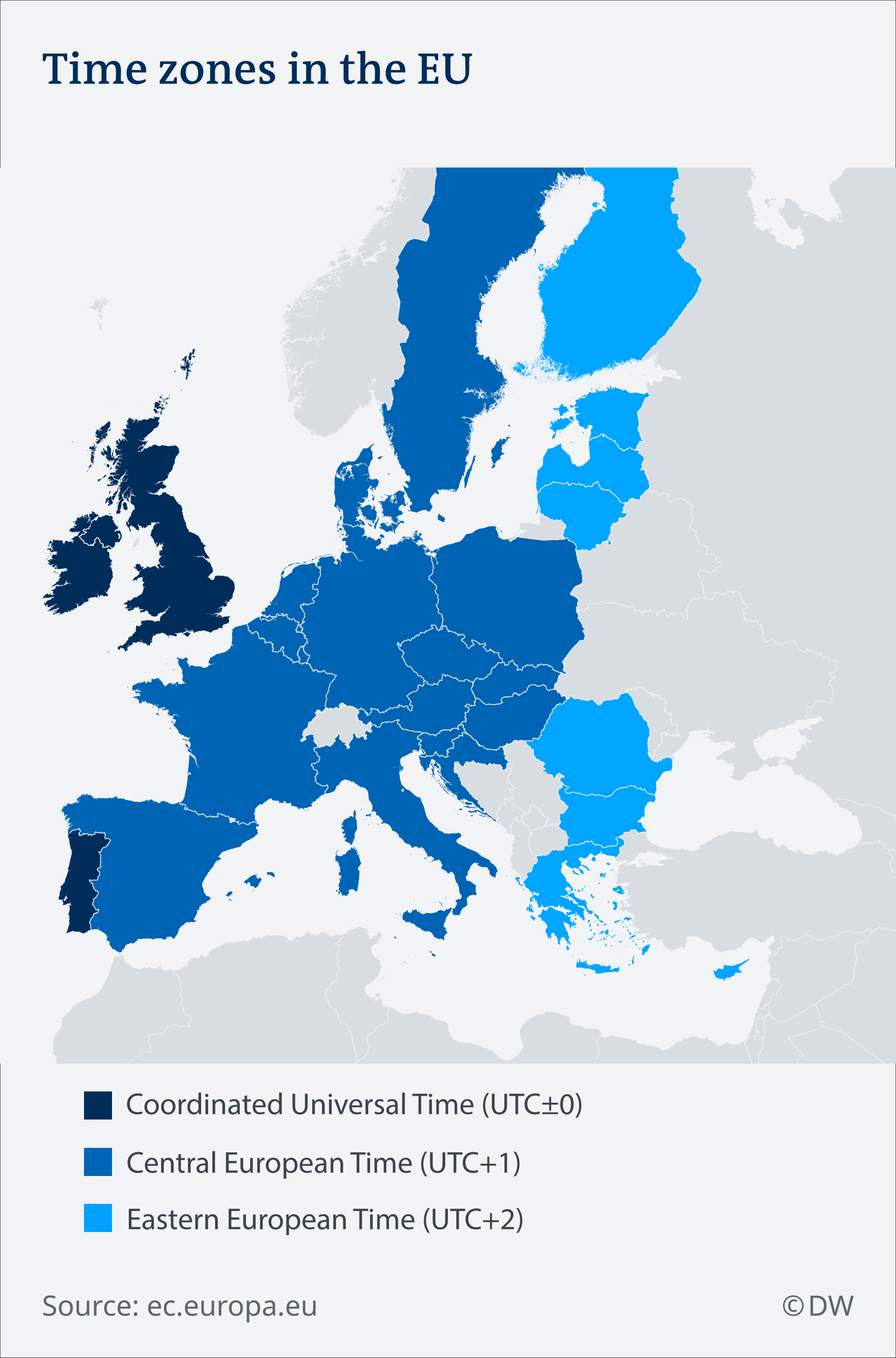


credits: EC Europe EU
via DW

Times flies

Daylight Saving Time (DST), where clocks are set ahead one hour in early spring and set back one hour in the autumn, was first introduced in Europe in 1916 when Germany, then still at war, was trying to reduce consumption of coal so it could be used for its weapon factories. 

Most neighbouring countries, as well as the UK, US and Australia, followed suit. 

The practice was mostly abandoned in Europe after World War II but was rolled out once more in the 1970s due to the oil shock, in a renewed bid to reduce the need for artificial light and thus energy use.

A number of studies have since shown that its impact on energy consumption is now negligible thanks in part to advances in technology. Evidence is however mounting that DST has adverse effects on health.


credits: iStock

DST & health:

It might seem frivolous to argue over the clocks, but it has real health implications. Disrupted sleep has been associated with heart disease, depression, obesity, reduced cognitive function, stress, memory deficits... The list goes on in the week following the shift to DST. A small bump in car accidents also tends to be recorded.

Unfortunately, sleep was something that, until recently, didn’t get much respect culturally.

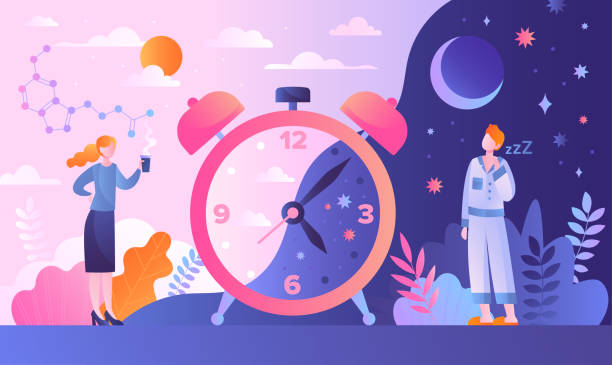
That's because our "social clock", ie, the schedule under which our societies operate, and our internal clocks, which are more or less aligned with the sun, are out of whack.


Education:

Teachers know how DST (spring forwards an fall back time) can be disruptive to us, and to students as wellStudents feel tired in the morning during the first week or two. We feel a bit stressed too. 


  • Promote an open debate among your students and at school about DST pros and cons.
  • How does DST affect the sleeping time of the students and the full attention during classes.


Activities

Students are always very curious about why 'things' happen! Here a good way to let them learn about DST fall back time, and some help.


Hope you don't suffer to much with DST. Unfortunaly, I do.

See you next publication. 


"If I were a bird, I would fly about the Earth seeking the successive autumns.”

George Eliot

Well, some people don't like DST fall back. I do love DST Spring but I hate DST fall back time.


G-Souto

06.11.2022
Copyright © 2022G-Souto'sBlog, gsouto-digitalteacher.blogspot.com®


Sources

Euronews


Schools : Oh no ! Fall-back time, again ! Make You Feel Crappy ? bG-Souto is licensed under a Creative Commons Attribution-NonCommercial-NoDerivatives 4.0 International License. 

Saturday, March 28, 2020

February in Review & DST Spring Forward ! #StayHome


credits: Jim Hunt
Reprieve from the long hours of darkness is just around the corner, when spring brings with it Daylight Saving Time and the turning forward of the clocks.
Although it means one less hour of sleep, the increase in daylight will feel worth it in the long-run.
In the US and Canada the clocks gone forward last 8 March at 2am.


In Europe will go forward tonight Sunday, 29 March at 1am. Most countries in The European Union (EU) and  other European countries will spring forward one hour at 01:00 UTC on March 29, 2020. Local time for the change is different in each time zone. 
To make the time change easier, which can take your body up to a week to adjust to.
The human circadian clock is actually a little longer than 24 hours, so it’s easier for us to stay up later than to fall asleep earlier in relation to our usual bedtime.


Isn’t the easiest sell for children. You can probably already anticipate what’s going to happen for several nights after it occurs: It won’t be dark at your child’s bedtime and it will “feel” much earlier to him, so your youngster will battle you at bedtime.  There are a few things you can do today to make this transition easier for both you and your child.


credits: Getty Images

https://www.gettyimages.com/


And now, time to the review of the most popular posts of February...


Here are the most popular posts of the last month:


If you live in Europe, don't forget at 1am. Spring Forward!


Hoping you're enjoying to teach online. Your students need you! It's fun to teach online. I love it!


The most important message: #StayHome 

Stay safe! We need hope and resilience all over the world! And be kind to those we need you.


G-Souto

28.02.2020
Copyright © 2020G-Souto'sBlog, gsouto-digitalteacher.blogspot.com®


Creative Commons License
February in Review & DST Spring Forward ! #StayHome by G-Souto is licensed under a Creative Commons Attribution-NonCommercial-NoDerivatives 4.0 International License.

Friday, March 25, 2016

Education : Talking about Daylight Saving Time


Portugal | Parque de Serralves | Porto
credits: Serralves

Spring is back! Last 20 March was the first day of Spring 2016. Also known as the vernal equinoxLast Sunday, the equinox marked the point in space and time when the sun moved across the celestial equator from south to north. 

Today March 25 is Good Friday. Two days from EasterEaster is the most important Christian religious holiday and widely regarded as the second most popular holiday in general after Christmas season.


Parque de Serralves, Easter activities
credits: Serralves

The students and teachers got Easter school break most countries in Europe and elsewhere.

Time is fresh no sunshine day. However kids and families will enjoy the traditional host of Easter egg hunts outdoor.

Oh! Yes, there is Daylight Saving Time (DST) next Sunday, Easter day! It gives families the opportunity to enjoy an extra hour outdoors on Easter day.


Next 27th March time changes in Europe clocks. The nights are becoming lighter, leading up to Easter Sunday - March 27th at 1am (GMT) to be precise, when the clocks spring forward again and we can look forward to the warmth of summer, (if we're lucky). 

Daylight saving time (DST) or summer time is the practice of advancing clocks during summer months by one hour so that in the evening daylight is experienced an hour longer, andnormal sunrise times are sacrificed.


Typically, regions with summer time adjust clocks forward one hour close to the start of Spring and adjust them backward in the Autumn to standard time.

Benjamin Franklin
credits: Joseph-Siffrein Duplessis,1785
The implementation of Daylight Saving Time has been fraught with controversy since Benjamin Franklin conceived of the idea. Even today, regions and countries routinely change their approaches to Daylight Saving Time.

Thus Daylight save first introduced in 1895 by George Vernon Hudson, a New Zealand entomologist (or insect expert). George Vernon Hudson, came up with the idea to the Wellington Philosophical Society outlining a daylight saving scheme which was trialled successfully in the country in 1927.
William Willett independently came up with the idea of DST in 1907. He waskeen to prevent people from wasting vital hours of light during summer mornings.


During 1916, Germany and its allies in World War 1 were the first countries to adopt daylight savings time to ensure consistent railroad times and limit coal usage.

Interestingly, not all countries will participate in the daylight savings 2016 time changes. EU countries which synchronise their DST include Portugal, UK, France, Germany, Spain, Italy and Bulgaria as well as most other European countries, including Norway and Switzerland.
A few European countries don't use DST at all: Russia, Iceland, Georgia, Armenia and Belarus.
In Europe, Summer time begins at 1:00 am. Universal Time (GMT). It begins the last Sunday in March.  
Most of the United States began Daylight Saving Time at 2am on March 13th, the second Sunday in March. See how different countries in the world.
Easter break
Education:

For the moment, schools are closed this year on Daylight Saving Time. So students will be used too when they return to school.

Teachers know that DST can be disruptive for some teenagers and school children everywhere. Students feel tired in the morning courses during the first week.

A discussion based on research shows that in the morning, young people need more time to sleep in for their health.

The rationale behind changing the times on the clock makes little (or more likely, no) sense to them. But let us explain the process using the video below:


Last year, I presented another video providing an animated explanation for moving our clocks forward and backward in the spring and fall.

Resources:
  • Videos
You can use the videos on my post to provide a good explanation of the rationale for Daylight Saving Time. Students will understand better the reasons of DST. And can discuss pros and cons.


Kids are always very curious about why 'things' happen! Here a good way to let them learn about Day Light Saving, Spring Equinox and some traditions of different civilizations.

Other Resources: 
  • Links:
Earth & Sky : Vernal Equinox 2016

Daylight Saving around the world 2016

Six Reasons Not to Like Daylight Savings Time

Twenty Clocks in Culture


Well, some people don't like daylight saving time. I do love Spring DST because I really hate Autumn DST. 

“General consensus is that really most of those things that were used as arguments for having daylight saving time in the past are really not applicable nowadays,” (...) "Every year, the question is: 'Why are we continuing with this, particularly when in some cases, it is more of a nuisance than benefit?' "
G-Souto

25.03.2016
Copyright © 2016G-Souto'sBlog, gsouto-digitalteacher.blogspot.com®

Creative Commons License
Education : Talking about Daylight Saving Time bG-Souto is licensed under a Creative Commons Attribution-NonCommercial-NoDerivatives 4.0 International License.