My thoughts about Education Humanities, Technology and Digital Culture. Interested on social media tools in educational contexts and
gamification in education.
Lunar New Year, known in China as Spring Festival - chunjie - and often called "Chinese New Year", marks the beginning of the new year in the traditional Chinese lunisolar calendar.
Celebrated across China, Vietnam, South Korea, Tibet and much of Southeast Asia, as well as in communities around the world, the Lunar New Year is one of the world’s most significant cultural events, observed by billions.
In 2026, it coincides with a new moon and a solar eclipse, intensifying themes of fresh starts and transformation.
Each new year has been named for one of the 12 animals of the Chinese zodiac, which repeat in a 12-year cycle.In Chinese astrology, each of the zodiac animals are believed to have distinct traits which are supposedly reflected in people born in that corresponding year.
The Chinese zodiac follows a 12-year cycle, each year represented by an animal: rat, ox, tiger, rabbit, dragon, snake, horse, sheep, monkey, rooster, dog, and pig. Each year also corresponds to one of five elements: metal, wood, water, fire, or earth.
Combining the 12 animals with the five elements forms a 60-year cycle. The Heavenly Stem for 2026 is bing (Fire), and the Earthly Branch (dizhi ) is wu (Horse), making 2026 a bing-wu year, also called the Year of the Fire Horse (huoma or the Red Horse (hongma).
Fo example the last bing-wu Fire Horse year was 1966, the current one is 2026, and the next one will be 2086.
Year of the Fire Horse
credits: AdobeStock
In 2026, Lunar New Year begins on 17 February, ushering in the Year of the Horse.For this year’s celebrations, fire horse symbols will be omnipresent, adorning festival decorations, as well as envelopes, cards, and wrapping paper that accompany Lunar New Year gifts.
Beyond festivities, the Lunar New Year period is devoted to honouring ancestors, and reconnecting with friends and relatives.
What means the Year of the Horse ?
The horse is revered in Chinese culture due to its long-standing roles in agriculture, transport, and warfare, says Jonathan H. X. Lee, Asian studies professor at San Francisco State University.
However, in the Chinese zodiac, this galloping animalsymbolizes : strength, grace, endurance, loyalty, freedom, and success. Its strength, Lee explains, represents possibilities for personal growth and success.
Year of the Fire Horse
credits: Freepick
According to Lee, this is exemplified by the Chinese idiom: When the horse arrives, success arrives.
“The horse’s energy is associated with yang energy, which is active, dynamic, and life-generating, and speaks to ambition and vitality.”
In Chinese astrology, Horse years favor decisive action and independence, while also warning against impulsiveness.
Why is Lunar Year in 2026 Later than usual ?
The late arrival of Lunar New Year in 2026 is due to a leap month in the Chinese lunisolar calendar. In 2025, an extra intercalary month -run liuyue means the 12th lunar month is shorter. This shifts the 2026 Spring festival into mid-February, significantly later than in most years.
credits: Sipa USA/AAP Image
Lucky Colours:
💟Lucky : Green, blue, pink, purple, with small accents of red (balance Fire energy and support prosperity). These cooler colours are thought to balance the strong fire energy of the year, helping to calm the atmosphere and stabilise the flow of wealth.
👎Avoid : While red is traditionally auspicious, some interpretations suggest limiting very bright reds in a Fire Horse year (bright orange-red). These colours excessively activate in a Fire Horse year – adding fuel to the fire, potentially manifesting as impulsive expenditure, irritability or even financial loss.
However, red remains an auspicious colour in Chinese cultural practice; when used in moderation it can harmonise with the year’s Fire element and support career advancement and significant financial gains.
Dr Xiaohuan Zhao
Education:
As you see history and interculturality are very important. Three-quarters of the world’s major conflicts have a cultural dimension.
Bridging the gap between cultures is urgent and necessary for peace, stability and development.
Invite all of students to a concrete action supporting diversity aims:
To raiseawarenessworldwide about the importance of intercultural dialogue, diversity and inclusion.
To build aworld community of individualscommitted to support diversity with real and every day-life gestures.
If you have Asian students in your classroom, invite them to share their own family traditions to celebrate the New Lunar Year.
Cultural and linguistic diversity, local traditions are interesting subjects to include and discuss into school curricula by using science to explain why Asian people call their new year, Lunar Year, inviting students to deepen their knowledge using social media in the classroom.
Learners are curious about other cultures and traditions. Let students participate in different activities by doing ONE thing for diversity.
Values: traditions,family, friends, honor old people. And of course, sensitivity, prosperity and peace.
Celebration at your school the Lunar New Year:
Students and teachers are invited to attend Year of the Horse celebrations at the Student Lounge on (day will depends from each teacher) February from 5pm (?), for example. Celebrations will include Asian food, some performances, as well as paper lantern making and calligraphy.
This Doodle celebrates the Lunar New Year with a focus on the year of the fire horse. Occurring only once every 60 years, the Fire Horse zodiac is known for its dynamic and independent spirit—bringing a year filled with passion, drive, and the momentum to chase your dreams.
“Let us continue to advance our shared commitment to peace, dignity, and sustainable development for all.”
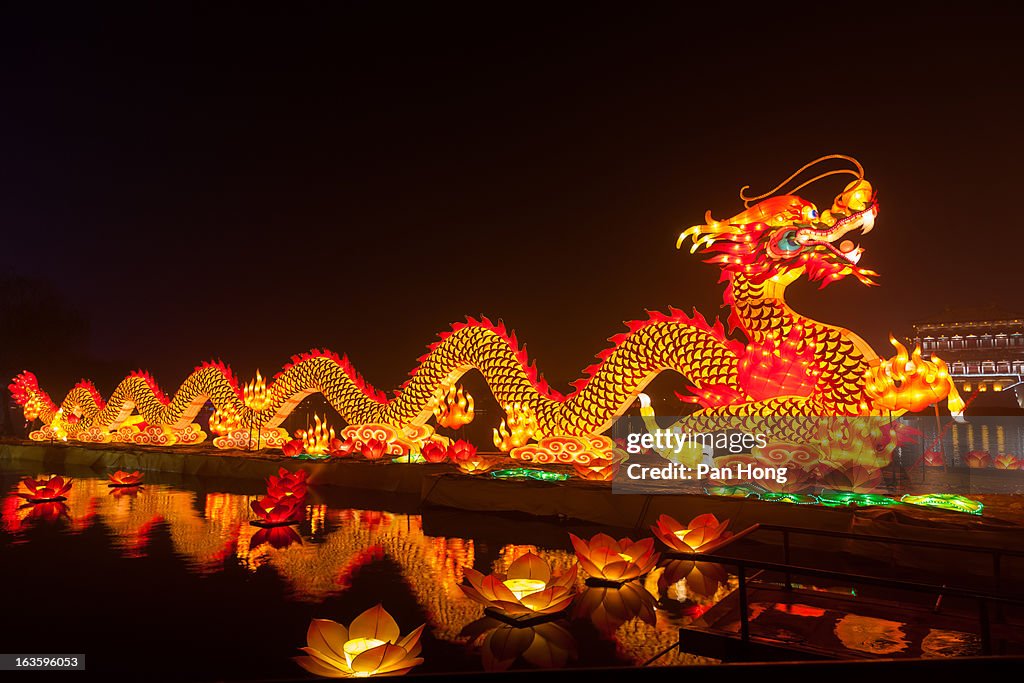
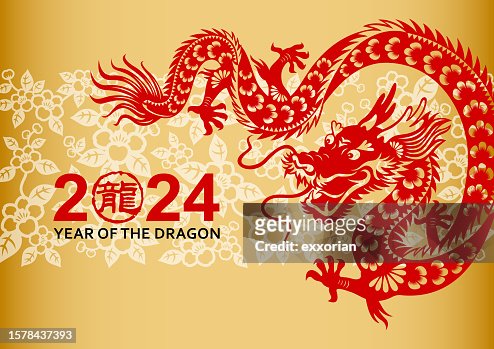
And 2024 belongs to the Year of the Dragon which is believed to embody power, strength, luck, and wisdom. Many traditions are tied to the festival as some South-East Asian and East Asian countries and their diaspora communities observe this auspicious time — in ways that are unique to each culture.
The Year of the Rabbit ended February 9, 2024. And then the Year of the Dragon started February 10, 2024. Next comes the year of the Green Wood Snake, starting on January 29, 2025.
As you already know, In China, and other Asian countries, the familiar Gregorian calendar is used for day-to-day life. But Chinese calendar dates continue to be used to mark traditional holidays such as the new year and the fall moon festival. And then Chinese astrology uses the lunar calendar to determine favorable dates for weddings and other special events.
In other words, the Chinese calendar is a lunisolar calendar, a combination of solar and lunar calendars. Plus, it has a long history spanning several Chinese dynastic periods from as far back as the Shang Dynasty around the 14th century BCE. Also, there are several different symbolic cycles within the calendar, used in Chinese astrology.
So the Chinese calendar is an intricate and complex measure of time.
One of 12 animal symbols of the Chinese zodiac (Rat, Ox, Tiger, Rabbit, Dragon, Snake, Horse, Sheep/Goat, Monkey, Rooster, Dog and Boar/Pig) represent each year of the Chinese lunar calendar. For 2024, it’s the Year of the Dragon. TravelChinaGuide.com says:
Year of the Dragon
Chinese Dragon is de facto an imaginary animal, also the only fictitious creature in the 12 zodiac animals, which is composed of 9 animals, including the body of a snake, the horns of a deer, the head of an ox, the mouth of a crocodile, the claws of an eagle, and the scales of a fish. The Dragon enjoys a very high reputation in Chinese culture and it represents auspiciousness and imperial power since ancient times.
Chinese people regard themselves as descendants of the Chinese dragon and emperors entitled themselves exclusively as the ‘dragon’. It is the token of authority, dignity, honor, success, luck, and capacity
How is it celebrated?
From the first day of the Lunar New Year (the day of the new moon) to the 15th day (next full moon), Lunar New Year celebrations abound. What’s more, each day holds a special significance that varies according to local traditions. But first, before the arrival of the new year, homes are thoroughly cleaned to sweep away ill fortune and to welcome good luck. Then on New Year’s Eve, families traditionally gather to celebrate and enjoy sumptuous traditional feasts. Finally, at midnight, they greet the new year with fireworks.
In the days that follow, celebrations include a variety of festivities. For example, there are dance parades featuring colorful dragons or lions. Or there are ceremonies to pay homage to deities and ancestors. Plus, children receive money in red envelopes and gifts are exchanged. Extended family members travel long distances to visit each other.
The Lunar New Year celebration traditionally culminates on the 15th day with the Lantern Festival. On this night of the full moon, families mingle in the streets carrying lighted lanterns, often creating a beautiful light display.
Mythology & Lunar Year :
There are several variations on the mythology behind Lunar New Year celebrations. Most concern the story of an ugly, bloodthirsty monster named Nian. The monster would emerge on the last night of each year to destroy villages and eat people. A wise elder advised villagers to scare the monster away with loud noises. That night, they set fire to bamboo, lit fireworks, and banged their drums. So the monster, afraid of the loud noises and lights, ran away to hide in its cave.
In another version of the myth, an old man persuaded Nian to turn its wrath on other monsters, not the villagers. Before he was seen riding away on Nian, the old man, actually a god, advised the people to hang red paper decorations in their homes and set off firecrackers on the last night of the year to keep Nian away.
Then on the first day of the new year, the villagers celebrated, greeting each other with the words Guo Nian, which mean “survive the Nian.” That tradition has continued to this day, with Guo Nian now meaning “celebrate the new year.”
credit: Matthew Chin
via EarthSky
Education :
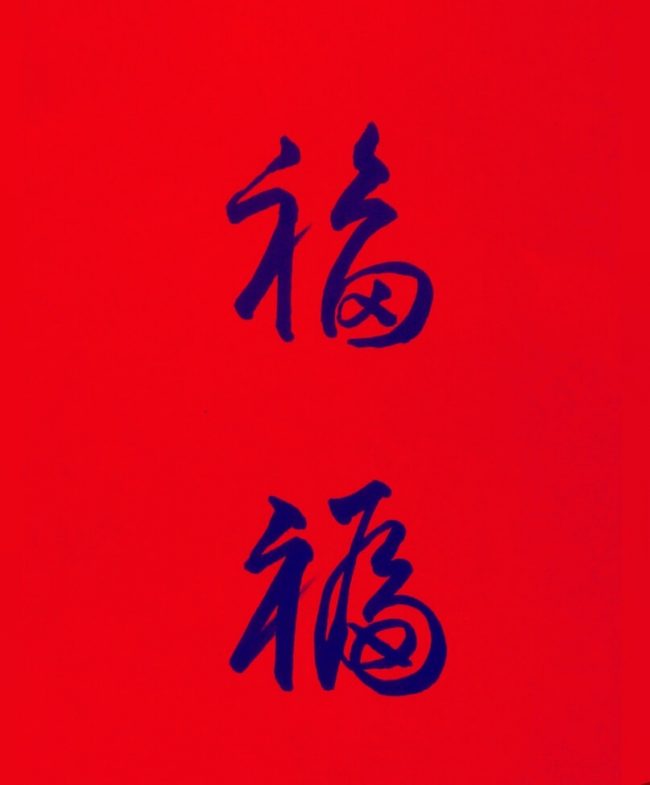
“The 2 Chinese characters are the same. It means blessing, a hope that other people will get good luck. Blessings like these are commonly used during Lunar New Year. The red background is also a kind of good as Chinese people use red to represent good luck."
graphic meaning
As you see interculturality is so important. Three-quarters of the world’s major conflicts have a cultural dimension.
Bridging the gap between cultures is urgent and necessary for peace, stability and development.
A good moment to talk about Lunar New Year - Year of the Dragon with students. Invite them to a concrete action to support diversity aims:
To raiseawarenessworldwide about the importance of intercultural dialogue, diversity and inclusion.
To build aworld community of individualscommitted to support diversity with real and every day-life gestures.
Perhaps you have Asian students in your classroom. Invite them to share their own family traditions to celebrate the New Lunar Year.
Cultural and linguistic diversity, local traditions are interesting subjects to include and discuss into school curricula by using science to explain why Asian people call their new year, Lunar Year, inviting students to deepen their knowledge using social media in the classroom.
Learners are curious about other cultures and traditions. Let students participate in different activities by doing ONE thing for diversity.
Values: family, friends, honoring old people. And of course, sensitivity, prosperity and peace.
Today is 1st April best known in western countries as April Fools' Day or All Fools' Day.
The power of using holidays and seasons to motivate and engage students in meaningful learning activities. No matter how old students may get, they are still truly motivated by seasonal and holiday-inspired lessons and activities.
One holiday that students are always excited to celebrate is April Fools' Day! And why wouldn't they? It is a day filled with fun, laughter, all the things that every student, no matter their age, absolutely love!
Google Images Archive
Whether you want to prank your students on April Fools' Day or just use it as a lesson motivator, some funny ideas and activities will surely bring a smile to you and your students' faces this April.
Why not elaborate some pranks to share with your students or their friends?
Keep in mind! Pranks should be funny, not cruel. And everyone should be laughing along by the end.
However April Fools’ Day falls on a Saturday this year, and in European countries it's Easter holiday what means that those of us who don’t go to school may not be able to prank colleagues and students at school.
But fear not – for there are plenty of April Fools’ opportunities to take via text or on social media.
Do you want to prank some students or colleagues, but you aren’t sure what to do? Here’s a bit of inspiration to get the ideas whirring.
But keep in mind: pranks should be funny and safe, not mean or rude – and everyone should be laughing along by the end.
Here some funny pranks:
Post a status on your Instagram or TikTok account, congratulating your bestie on a new job. Make sure to tag their account in the post and watch them be flooded with congratulatory messages.
You could even get a few friends involved in the prank and have them all write individual posts to make it more believable.
Pretend you have no idea who is texting you:
Every time a friend or a family text you throughout the day, reply with ‘sorry who is this?’
Play dumb and pretend you have no idea who they are until you’ve driven them mad.
credits: Tony Cox/ WTML
Fake the adoption of an unusual pet:
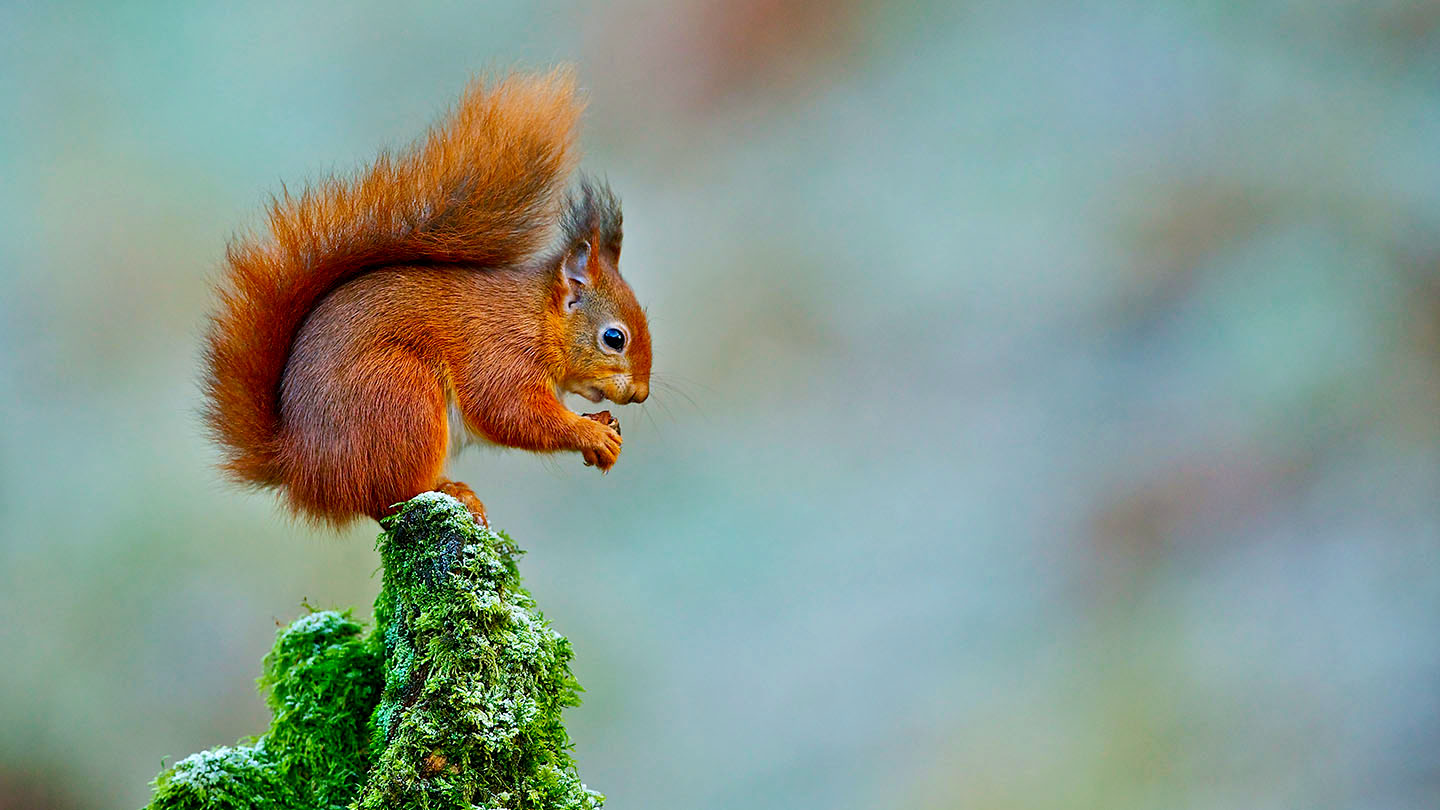
Post a picture of an undomesticated animal (for example a squirrel) and announce that it is the newest 'member' of the family.
Give the animal a ridiculous name and wait for the confused replies from your friends to come rolling in.
Well I hope your students and colleagues will accept your pranks and found them very funny.
If you can't beat'em, join'em! Get in on the fun and laugh a little, well really a lot, with your students this April Fools' Day!