credits: NASA
"Are we alone in the universe?" - Throughout history, humans have wondered...
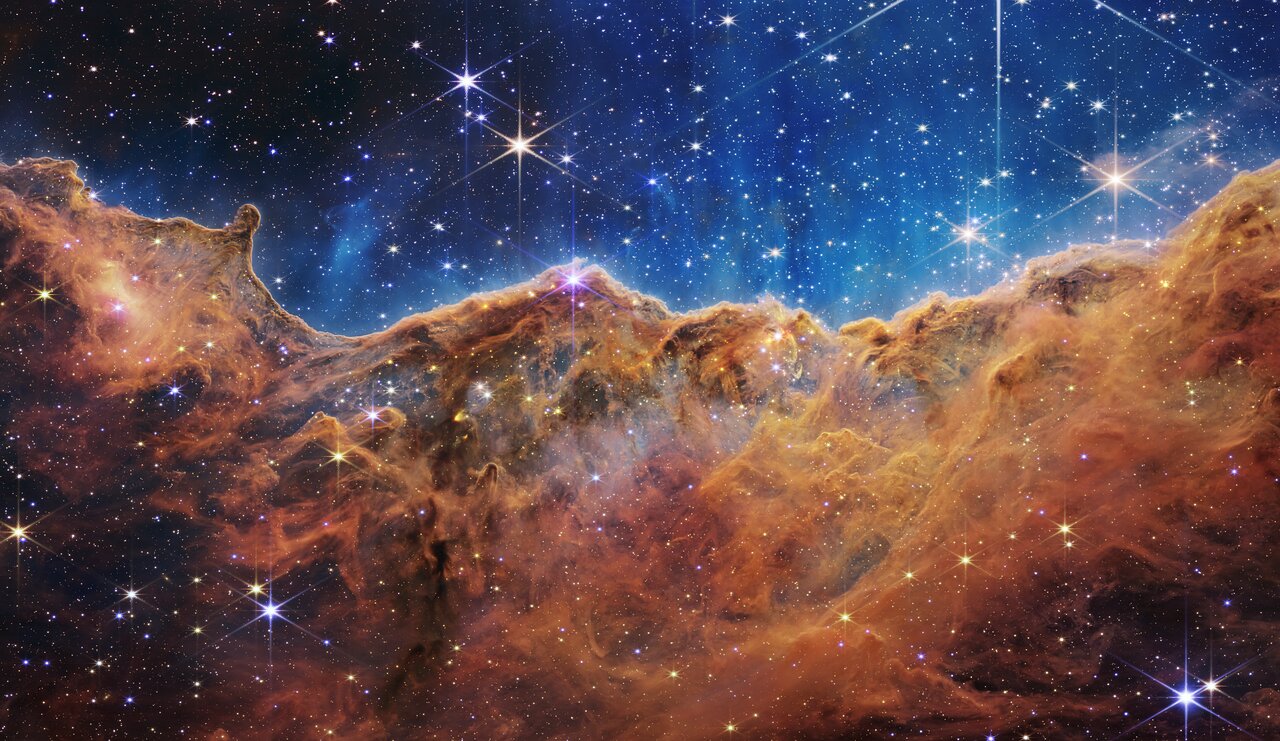
Wow ! Look at this astonishing image ! A new era in astronomy has begun. The world gets its first look at the full capabilities of the NASA/ESA/CSA James Webb Space Telescope. The telescope’s first full-colour images and spectroscopic data, uncover a spectacular collection of cosmic features that have remained elusive until now, were released on this day, 12 July 2022.
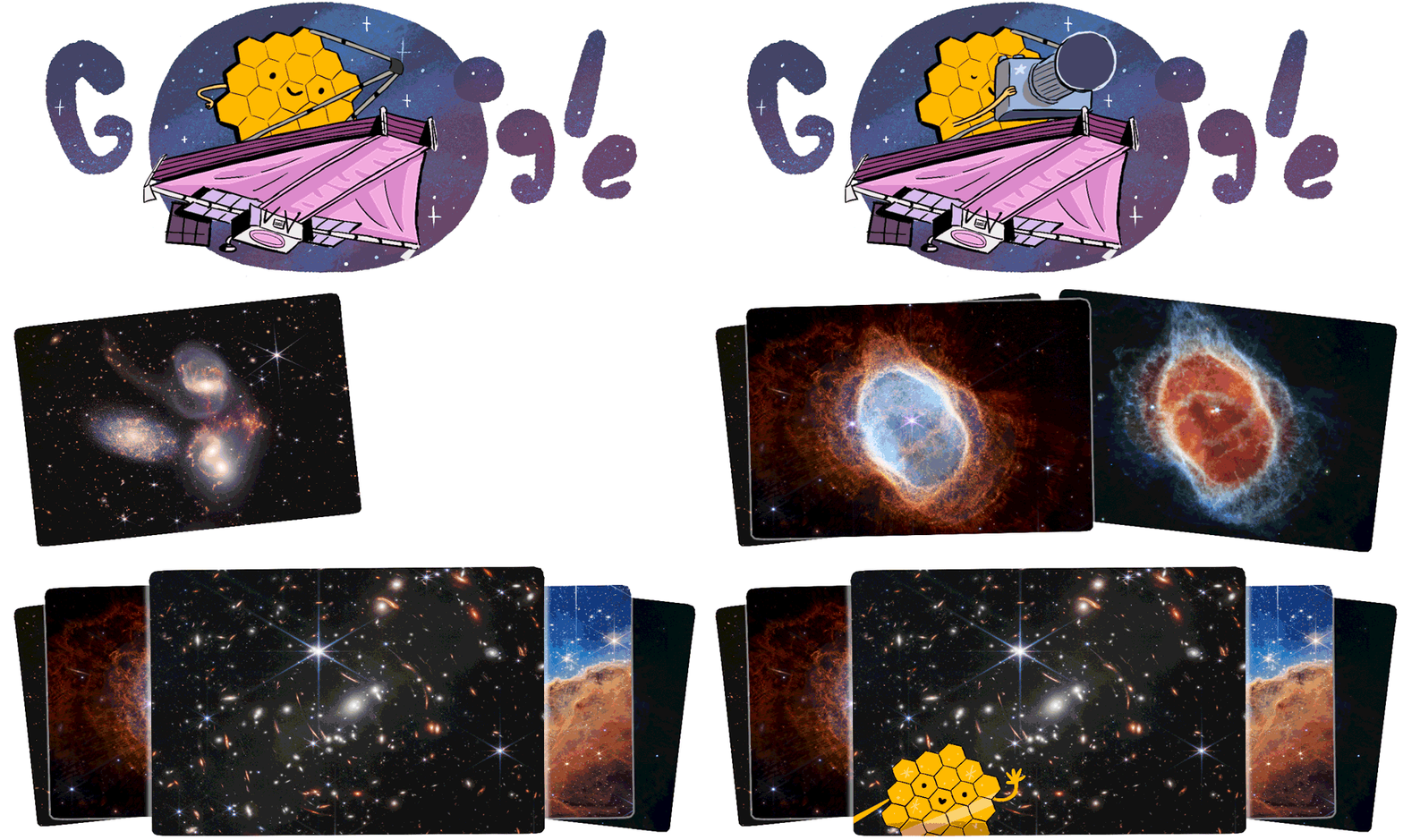
But let's know the interactive Google Doodle celebrating these deepest photo of the universe ever taken!
Celebrating the deepest photo of the universe ever taken!
The Doodle features the deepest infrared photo of the universe ever taken as well as other initial images from the JWST. Explore them below!
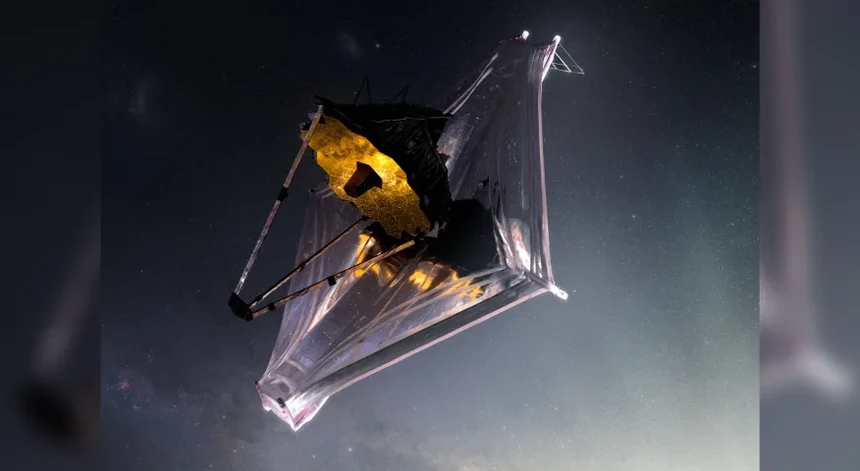
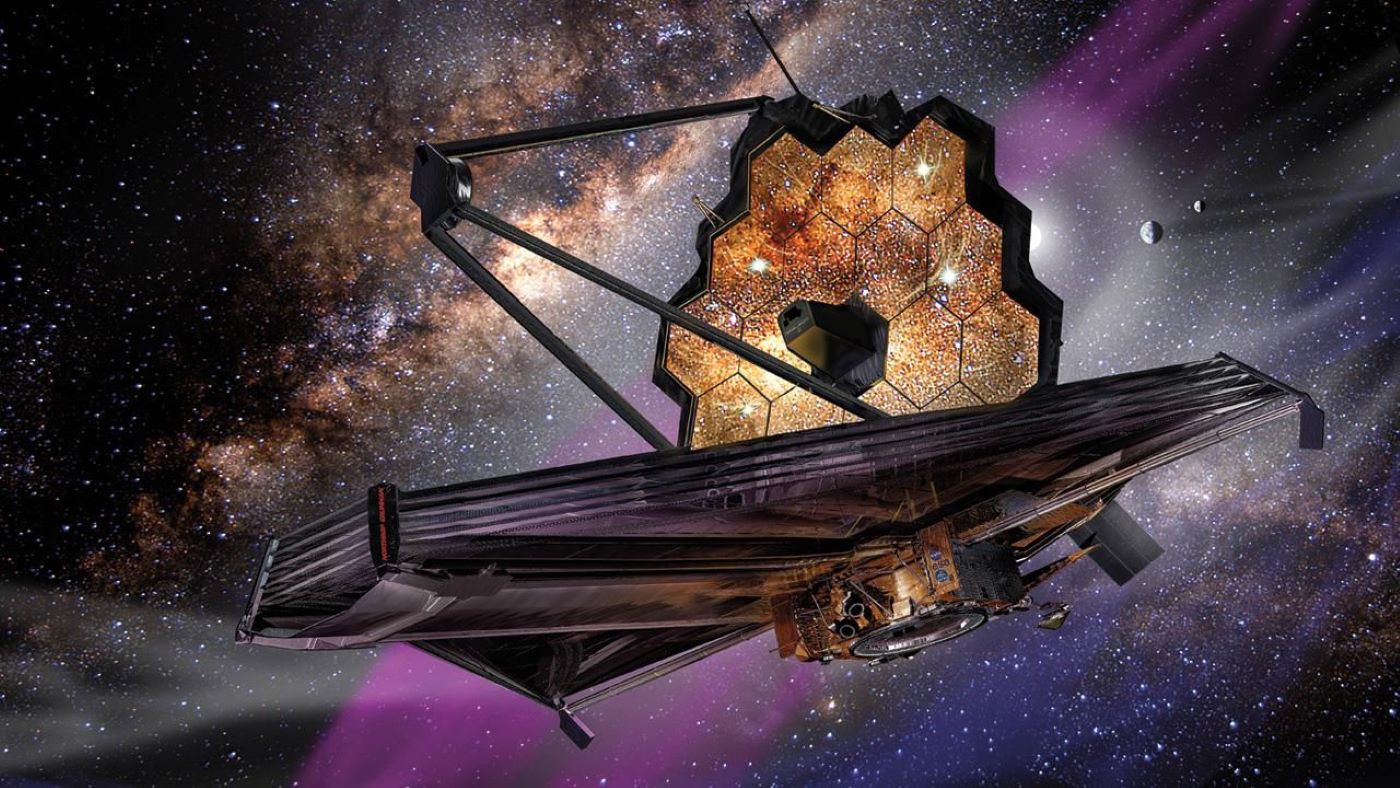
It's the largest, most powerful, and most complex infrared telescope to ever be put into space, and the largest international space endeavor in history!
This image shows the galaxy cluster SMACS 0723 as it appeared 4.6 billion years ago, with many more galaxies in front of and behind the cluster. Much more about this cluster will be revealed as researchers begin digging into Webb’s data. This field was also imaged by Webb’s Mid-Infrared Instrument (MIRI), which observes mid-infrared light.
James E. Webb
credits: George Tames, Fortune
- NASA administrator James E. Webb:
James E. Webb was the second administrator of the National Aeronautics and Space Administration, formally established on October 1, 1958 under the National Aeronautics and Space Act. Webb is widely known for his effective leadership during the beginning of the American space program, and particularly for his foresite in commanding the agency to keep scientific objectives as a primary concern. Under his direction NASA undertook one of the most impressive series of projects in human history with the goal of landing an American on the Moon through the execution of Project Apollo.
James E. Webb
credits: Mike Acs
By the time Webb retired just a few months before the first moon landing in July 1969, NASA had launched more than 75 space science missions to study the stars and galaxies, our own Sun and the as-yet unknown environment of space above the Earth's atmosphere. Missions such as the Orbiting Solar Observatory and the Explorer series of astronomical satellites built the foundation for the most successful period of astronomical discovery in history, which continues today.
Many believe that James E. Webb, who ran the fledgling space agency from February 1961 to October 1968, did more for science than perhaps any other government official and that it is only fitting that the Next Generation Space Telescope would be named after him.
The telescope was launched from the Guiana Space Center in Kourou, French Guiana on December 25, 2021 and took a month to reach its orbit at 1.5 million kilometers (940,000 miles) from Earth. The launch was made possible through the collaboration between NASA, the European Space Agency (ESA) and the Canadian Space Agency (CSA).
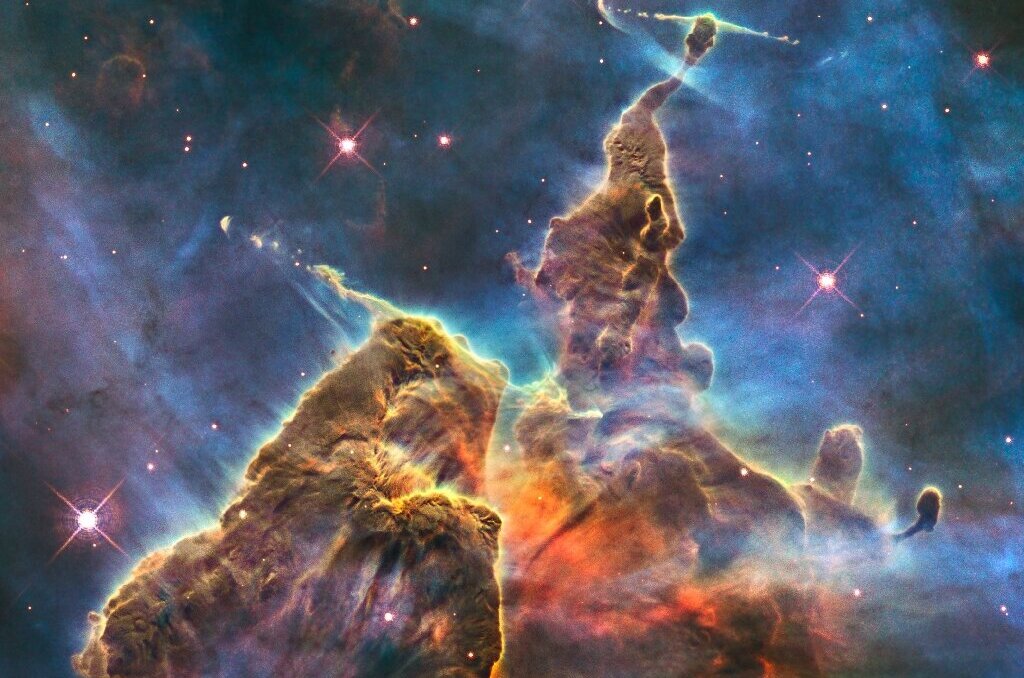
Carina Nebula
credits: NASA, ESA/Hubble and the Hubble Heritage Team
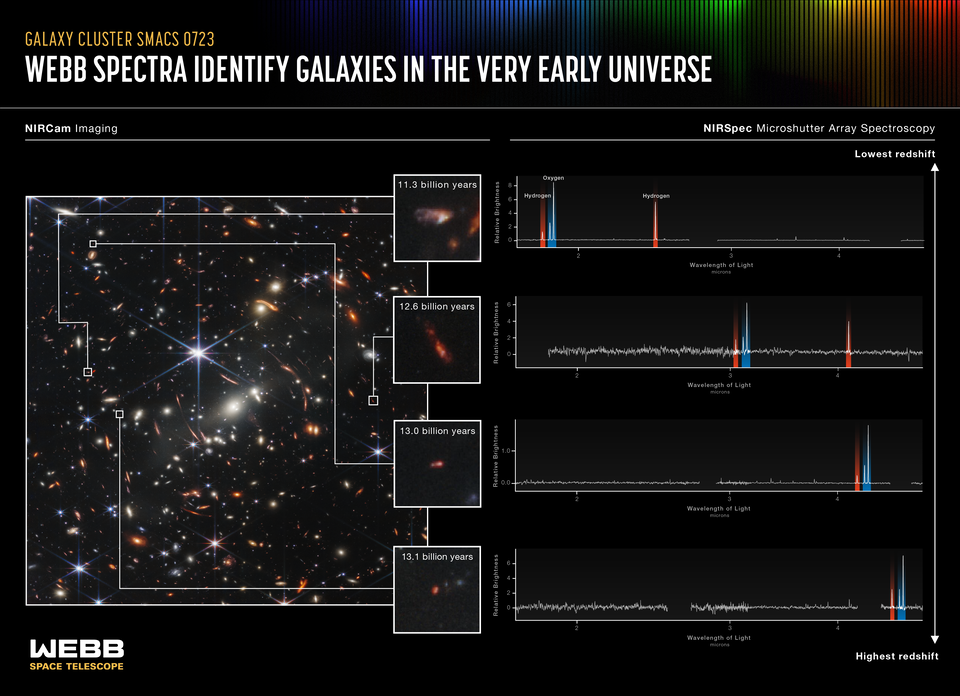
Webb’s NIRCam has brought distant galaxies into sharp focus – they have tiny, faint structures that have never been seen before, including star clusters and diffuse features.
Light from these galaxies took billions of years to reach us. We are looking back in time to within a billion years after the big bang when viewing the youngest galaxies in this field. The light was stretched by the expansion of the universe to infrared wavelengths that Webb was designed to observe. Researchers will soon begin to learn more about the galaxies’ masses, ages, histories, and compositions.
Education:
Most of us are excited about this photo. Teachers and students will be talking about it into Sciences curriculum at school or distance learning.
"Webb’s first observations tell the story of the hidden universe through every phase of cosmic history – from neighbouring exoplanets to the most distant observable galaxies in the early universe, to everything in between."
Webb spectra identify galaxies in the very early Universe
Thanks to images from the JWST, astronomers will now have the opportunity to study every phase of cosmic history, which spans a massive 13.5 billion years, and the mysteries beyond our galaxy.
Science lessons will be enhanced with the discussion of this incredible event! Do you want a better topic to discuss into your lesson ?
Invite students to follow NASA updates via NASA website. After a good explanation and discussion in the classroom, let your students create some interesting tweets to pull a discussion about this awesome event.
Follow their activity on Twitter to verify that they are understanding the importance of the event and promoting a good topics.
NASA Webb First Image
James Webb Space Telescope
Webb Space Telescope
ESA Science & Exploration
ESA Web
ESA Webb's First Images
Some of you are on summer school out. But you must talk about this incredible Webb's photos after the holidays. Meanwhile if you are in touch with some of your students by social media, tell them to watch the news on tv and reunite some elements to the back to school after Summer.
*New ! Don't miss the Webb celebration first year of science with close-up on birth of Sun-like Stars
This video tours a portion of the Rho Ophiuchi cloud complex, the closest star-forming region to Earth. The image was taken to celebrate the first anniversary of the start of science operations for NASA’s James Webb Space Telescope.
G-Souto
12.07.2022
updated 17.07.2023
Copyright © 2022G-Souto'sBlog, gsouto-digitalteacher.blogspot.com®
Sources NASA/ ESA/ Google Doodles