Mostra Jane Austen em Portugal: (con)textos
Assinalam-se este ano 2017 os 200 anos da morte de Jane Austen (1775-1817).
A Biblioteca Nacional de Portugal apresenta a Mostra Jane Austen em Portugal: (con)textos, de 10 de Maio a 1 de Julho 2017.
A Mostra abriu com uma conferência dedicada à vida e obra da escritora, que teve lugar hoje, dia 10 de Maio 2017.

A Biblioteca Nacional de Portugal apresenta a Mostra Jane Austen em Portugal: (con)textos, de 10 de Maio a 1 de Julho 2017.
A Mostra abriu com uma conferência dedicada à vida e obra da escritora, que teve lugar hoje, dia 10 de Maio 2017.
Jane Austen 200. Portugal foi o tema da conferência. Organizada pelo Centre for English, Translation and Anglo-Portuguese Studies, da Faculdade de Ciências Sociais e Humanas, da Universidade Nova, e pela Biblioteca Nacional de Portugal, esta iniciativa foi aberta ao público e pretendeu evocar os 200 anos da morte da conhecida autora britânica juntando especialistas em torno da sua obra, bem como da tradução desses textos para português.
No dia 18 de Julho assinalam-se os 200 anos da morte de Jane Austen (nascida em 1775).
Pride & Prejudice, 1995/ 2005
filmes
filmes
Jane Austen, sem dúvida uma das mais conhecidas romancistas britânicas, devido, em grande parte, ao facto de as suas obras terem sido adaptadas ao cinema e à televisão desde 1938.
Graças ao cinema e à televisão, desde 1940, ano em surgem a Jane Austen Society e a primeira adaptação ao cinema de Pride and Prejudice, mas sobretudo a partir dos anos 1990, em que a obra da romancista se tornou "parte do imaginário popular mundial, e veicula (e reforça) o constructo que é percepciobaod como 'Englishness', nomeadamente paisagens, comportamentos e aspectos do quotidiano (sobretudo feminino) da Inglaterra dos séculos XVIII e XIX"
BNPortugal
Graças ao cinema e à televisão, desde 1940, ano em surgem a Jane Austen Society e a primeira adaptação ao cinema de Pride and Prejudice, mas sobretudo a partir dos anos 1990, em que a obra da romancista se tornou "parte do imaginário popular mundial, e veicula (e reforça) o constructo que é percepciobaod como 'Englishness', nomeadamente paisagens, comportamentos e aspectos do quotidiano (sobretudo feminino) da Inglaterra dos séculos XVIII e XIX"
BNPortugal

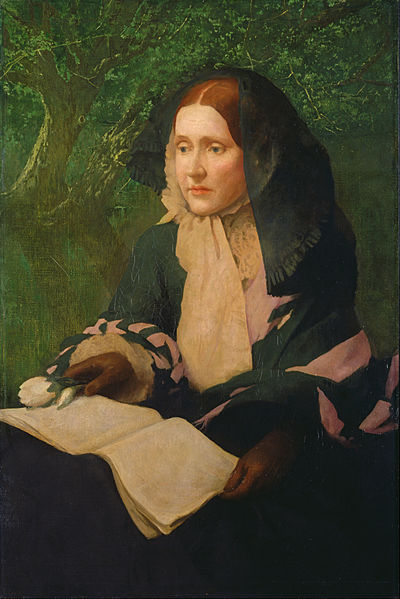
Retrato a óleo de Jane Austen, feito em 1875, de autor desconhecido,
baseado na aquarela feita pela irmã em 1810
créditos:Wikipedia
Criadora de personagens como Elizabeth Bennet e de Mr Darcy que tão bem conhecemos dos livros e dos filmes ou séries inglesas de televisão.
Austen nunca assinou os seus romances em vida, sendo conhecida inicialmente entre leitores aristocratas que apreciavam quer os seus universos morais e éticos ficcionados de forma realista, quer a sua irónica crítica social.

Jane Austen manuscrit

Jane Austen manuscrit
Se Ian P. Watt (The rise of the novel, 1957: 296-299) situa Austen na fase final do período da ‘ascensão’ do romance inglês, F. R. Leavis (The great tradition: George Elliot, Henry James, Joseph Conrad, 1948: 16) considera-a a inauguradora da grande tradição do romance inglês, que continuaria com George Eliot, Henry James e Joseph Conrad, concluindo com (Introduction) in Jane Austen - Lady Susan and other stories, 2013: vii) que a romancista faz a ponte entre o romance britânico do século XVIII e o período do apogeu desse género literário, no século XIX.
BNPortugal
BNPortugal

Jane Austen by Cassandra Austen
© National Portrait Gallery, London
"A obra da romancista tornou-se parte do imaginário popular mundial, e veicula o constructo que é percepcionado como Englishness, nomeadamente paisagens, comportamentos e aspectos do quotidiano (sobretudo feminino) da Inglaterra dos séculos XVIII e XIX."
Os universos possíveis das suas narrativas ficcionais continuam a seduzir o público do século XXI, sendo certamente das mais lidas romancistas britânicas.
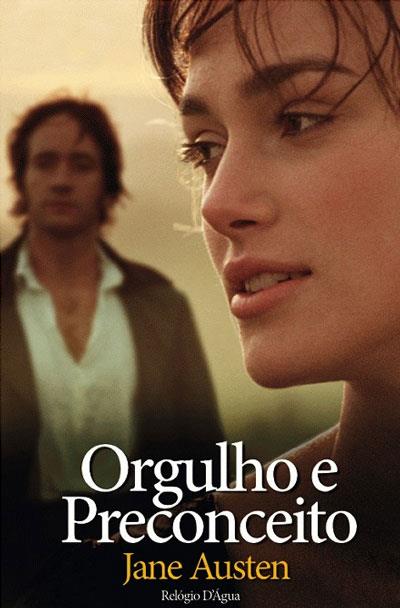
Orgulho & Preconceito
Jane Austen
Relógio d'Água
É notório o interesse crescente pelos seus seis romances e pela sua ‘obra menor’, bem como pela sua biografia, assumindo, por vezes, esse interesse a forma de ‘culto’.
A Mostra pretende, de forma representativa, ilustrar o sucesso da obra de Jane Austen em Portugal, desde as primeiras traduções dos seus romances: Sense and Sensibility (1811), Pride and Prejudice (1813), Mansfield Park (1814), Emma (1815), Northanger Abbey (redigido em 1803, publ. 1817) e Persuasion (1817).
Recentemente juntaram-se as versões das suas narrativas ficcionais mais desconhecidas e que fazem parte da sua Juvenilia.

Casa de Jane Austen em Chawton, Hampshire
Jane Austen's House museum
https://www.jane-austens-house-museum.org.uk/
Jane Austen's House museum
https://www.jane-austens-house-museum.org.uk/
Biografia:
Jane Austen nasceu em 16 Dezembro 1775 em Steventon, Hampshire. A sétima dos filhos de uma família pertencente à nobreza agrária.
O seu ambiente familiar serviu de contexto para todas as suas obras, cujo tema gira em torno do casamento.

Ainda criança, escreveu novelas para a família, em parte publicadas em Love and Friendship and Other Early Works (1922).
Na sua produção literária são considerados dois períodos:
Jane adoeceu em 1816, possivelmente com a doença de Addison, e no verão de 1817 a família levou-a para Winchester para tratamento médico.
No entanto, o médico não pôde fazer, e Austen morreu em 18 de Julho de 1817.


Dois romances mais, 'Persuasion' e 'Northanger Abbey' foram publicados postumamente e um romance final ficou incompleto.
O seu ambiente familiar serviu de contexto para todas as suas obras, cujo tema gira em torno do casamento.

Love and Friendship and Other Early Works
Jane Austen
Ainda criança, escreveu novelas para a família, em parte publicadas em Love and Friendship and Other Early Works (1922).
Na sua produção literária são considerados dois períodos:
- 1796 a 1798 : em que escreveu Sense and Sensibility (Sensibilidade e Bom Senso) e Pride and Prejudice (Orgulho e Preconceito), publicados em 1811 e 1813, respectivamente«.
- A partir de 1811, com a escrita de Mansfield Park (1814), Emma (1816) e Persuasion (Persuasão, publicado 1818).
Jane adoeceu em 1816, possivelmente com a doença de Addison, e no verão de 1817 a família levou-a para Winchester para tratamento médico.
No entanto, o médico não pôde fazer, e Austen morreu em 18 de Julho de 1817.
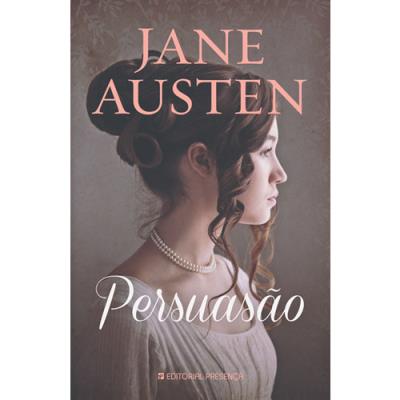
Persuasão
Jane Austen
Editorial Presença,2017
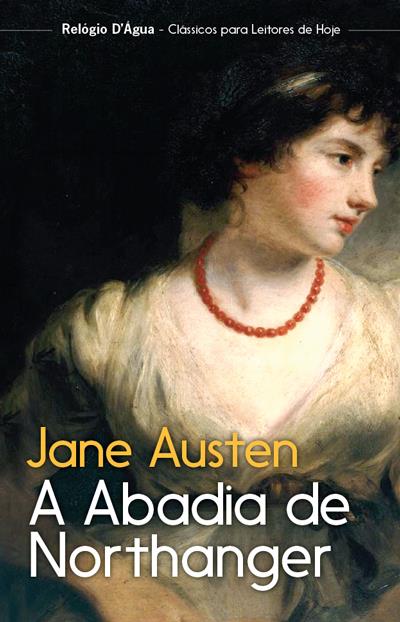
A Abadia de Northanger
Jane Austen

Pride & Prejudice
Joe Wright, 2005
Graças ao cinema e à televisão — desde 1940, ano em surgem a Jane Austen Society e a primeira adaptação ao cinema de Pride and Prejudice, mas sobretudo a partir dos anos 90.

Ensino:
A Biblioteca Nacional de Portugal bem como a Fundação Gulbenkian são entidades de referência em actividades culturais e lúdicas ligadas ao ensino.
Relembro entre outras: Ilustradores de Dom Quixote, 2005 no IV Centenário Dom Quixote (BN); Um Chá para Alice 2013 (FCG). Mais recentemente, Alice no País das Maravilhas (1865-2015): 150 anos, 2015 (BNP) Escolas : Voltemos ao 150º Aniversário de Alice, 2016; A saltar do livro. Livros Pop-up 2016 (BNP) Escolas : Visitas de Estudo : A saltar do livro. Livros Pop-Up.
E este ano José de Almada Negreiros: uma maneira de ser moderno, 2017 (FCG) Escolas : Visitas de Estudo : José de Almada Negreiros: uma maneira de ser moderno; Jane Austen em Portugal: (con)textos (BNP).
A BNP já se associou a Hans Christian Andersen: 1805-1875 HCA - Jubileu 1805-2005; Ilustradores de Dom Quixote, 2005 no IV Centenário Dom Quixote (BN); Alice no País das Maravilhas (1865-2015): 150 anos, 2015 (BNP) Escolas : Voltemos ao 150º Aniversário de Alice, 2016 e agora a Jane Austen 200 Mostra Jane Austen em Portugal: (con)textos.
A Mostra propõe a ilustração, de forma representativa, o sucesso da obra de Jane Austen em Portugal, desde as primeiras traduções dos seus romances às versões recentes das suas narrativas ficcionais mais desconhecidas e que fazem parte da sua Juvenilia.
Como vêem de grande interesse para os currículos de literatura. Uma Mostra que deve ser visitada por escolas.

A Biblioteca Nacional de Portugal bem como a Fundação Gulbenkian são entidades de referência em actividades culturais e lúdicas ligadas ao ensino.
Relembro entre outras: Ilustradores de Dom Quixote, 2005 no IV Centenário Dom Quixote (BN); Um Chá para Alice 2013 (FCG). Mais recentemente, Alice no País das Maravilhas (1865-2015): 150 anos, 2015 (BNP) Escolas : Voltemos ao 150º Aniversário de Alice, 2016; A saltar do livro. Livros Pop-up 2016 (BNP) Escolas : Visitas de Estudo : A saltar do livro. Livros Pop-Up.
E este ano José de Almada Negreiros: uma maneira de ser moderno, 2017 (FCG) Escolas : Visitas de Estudo : José de Almada Negreiros: uma maneira de ser moderno; Jane Austen em Portugal: (con)textos (BNP).
A BNP já se associou a Hans Christian Andersen: 1805-1875 HCA - Jubileu 1805-2005; Ilustradores de Dom Quixote, 2005 no IV Centenário Dom Quixote (BN); Alice no País das Maravilhas (1865-2015): 150 anos, 2015 (BNP) Escolas : Voltemos ao 150º Aniversário de Alice, 2016 e agora a Jane Austen 200 Mostra Jane Austen em Portugal: (con)textos.
A Mostra propõe a ilustração, de forma representativa, o sucesso da obra de Jane Austen em Portugal, desde as primeiras traduções dos seus romances às versões recentes das suas narrativas ficcionais mais desconhecidas e que fazem parte da sua Juvenilia.
Como vêem de grande interesse para os currículos de literatura. Uma Mostra que deve ser visitada por escolas.
Jane Austen/ Juvenilia
Até ao final do ano lectivo, os professores poderão aproveitar para veicular diferentes abordagens à obra de Jane Austen, literatura/leitura, aos alunos numa perspectiva literária, cultural, estética, realizando visitas de estudo à Biblioteca Nacional.
Evidenciar assim a próxima celebração dos 200 Anos da sua morte que será aproveitada para o estudo da obra de Jane Austen.
As visitas de estudo a Museus e Bibliotecas permitem várias aprendizagens e/ou consistência de competências, sendo um complemento dos currículos escolares com enorme alcance pedagógico.Permite ainda o desenvolvimento pessoal dos adolescentes.
É óbvio que todos os alunos, independemente do currículo escolar e do nível etário, lucrarão com esta Mostra, o estudo da literatura, a descoberta da autora de língua inglesa mais conhecida, o processamento da informação (edições em português), odesenvolvimento do sentido crítico e a possibilidade de organizar os seus conhecimentos.

Jane Austen manuscrit
Objectivos de uma visita de estudo:
- Estudo de autores portugueses: arte, literatura, dança, artes gráficas;
- Desenvolvimento da leitura;
- Apropriação de técnicas;
- Apreensão de aprendizagens literárias, visuais, auditivas, cinestésicas;
- Envolvimento dos alunos numa actividade temática em projecto transcurricular;
- Possível envolvimento em projectos internacionais, com escolas europeias;
- Desenvolvimento de auto-confiança e entusiasmo;
- Enriquecimento curricular;
- Inclusão (beneficia os alunos com maiores dificuldades de aprendizagem ou sócio-culturais.
Currículos:
- Línguas: Língua Portuguesa; Inglês LE;
- Artes: Educação Visual; Design; Música;
- Tecnologias: uso de ferramentas digitais; produção de conteúdos digitais educativos, criados pelos alunos, equadrandos em suporte digital para divulgação da comunidade escolar.
Níveis de aprendizagem:
Ensino Básico (2º/ 3º ciclos); Ensino Secundário; Ensino Vocacional (Artes & Design).
Informações úteis para Educadores:
A consultar aqui
Visitas Guiadas:
A contactar a Biblioteca Nacional
Local:
A consultar aqui
Visitas Guiadas:
A contactar a Biblioteca Nacional
Local:
Horário:
Entrada: Livre

Jane Austen 200 | Rochester
Alguns pensamentos:
Sair da sala de aula e proporcionar visitas de estudo diversificadas aos seus alunos dará resultados inesperados, mesmo por parte dos alunos com fraco aproveitamento a nível de uma aula 'clássica'.
Na riqueza e diversidades de obras de arte literárias ou artísticas (pintura, música) em bibliotecas e museus, as aprendizagens fazem-se naturalmente, a curiosidade sobre a informação, a captação de novos saberes.
Na riqueza e diversidades de obras de arte literárias ou artísticas (pintura, música) em bibliotecas e museus, as aprendizagens fazem-se naturalmente, a curiosidade sobre a informação, a captação de novos saberes.
Esta curta mensagem pedagógica, ilustrada com alguns exemplos de aulas vivas, são prova de como os conhecimentos, informações, e ideias partilhadas em espaços de cultura podem envolver com maior interesse e entusiasmo os alunos nas competências e aprendizagens a desenvolver ou já desenvolvidas nos currículos escolares, apoiando assim a sistematização.
G-Souto
10.05.2017
Copyright © 2017G-Souto'sBlog, gsouto-digitalteacher.blogspot.com®

Escolas : Visitas de Estudo : Jane Austen 200 em Portugalby by G-Souto is licensed under a Creative Commons Attribution-NonCommercial-NoDerivatives 4.0 International License