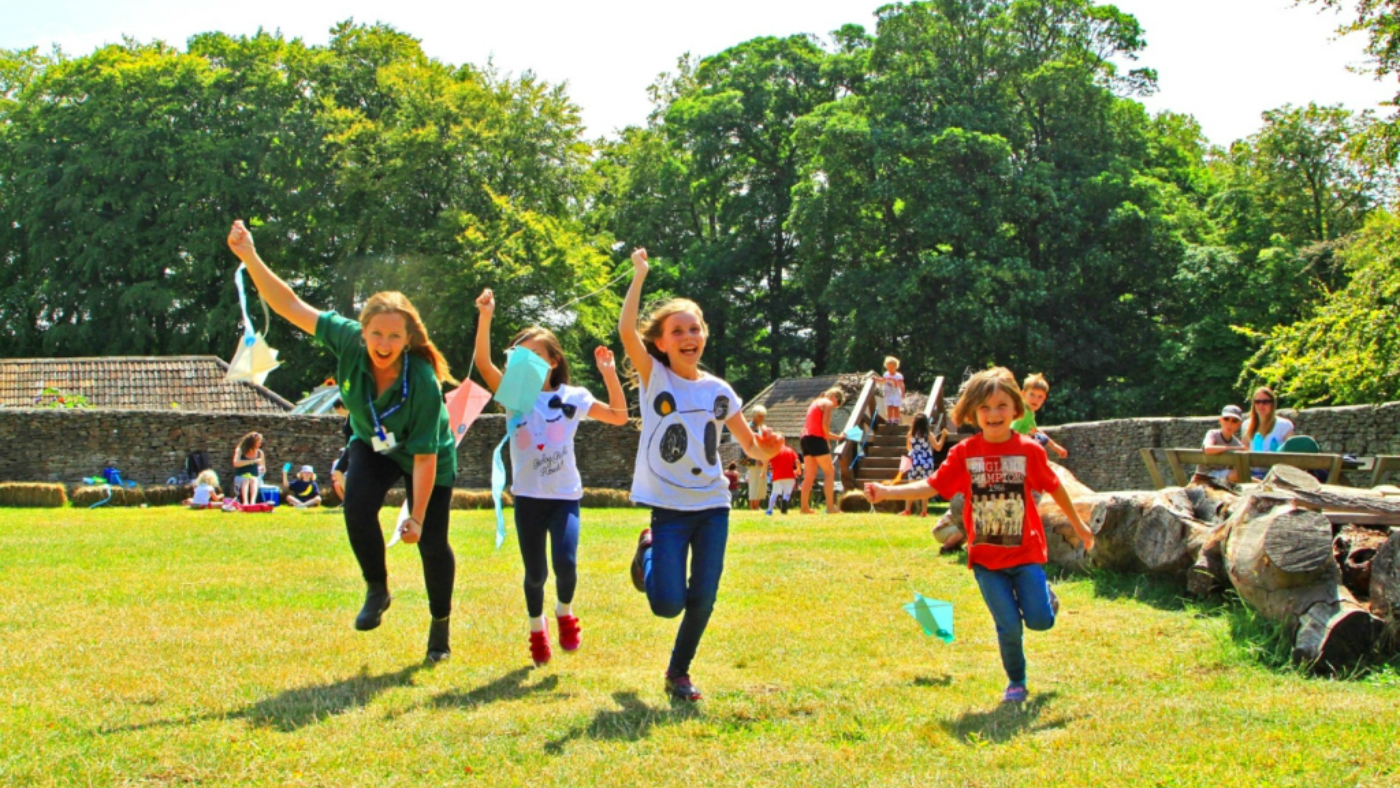
"Education is the most powerful force in our hands to ensure significant improvements in health, to stimulate economic growth, to unlock the potential and innovation we need to build more resilient and sustainable societies,”
Audrey Azoulay, UNESCO Director General

Education is a human right, a public good and a public responsibility. Today, 24 January 2019 marks the very first International Day of Education.
The United Nations General Assembly proclaimed 24 January as International Day of Educationin celebration of the role of education for peace and development.
The United Nations will observe the International Day of Education for the first time on this day the 24 January 2019 to emphasize the action required to achieve the global education goals and targets in line with the 2030 Agenda for Sustainable Development.
The celebration will raise awareness on the key role of quality and relevant education for peace and development worldwide, including its contribution to poverty eradication, environmental sustainability and building peaceful and resilient societies.
Without inclusive and equitable quality education and lifelong opportunities for all, countries will not succeed in achieving gender equality and breaking the cycle of poverty that is leaving millions of children, youth and adults behind.
Today, 262 million children and youth still do not attend school; 617 million children and adolescents cannot read and do basic math; less than 40% of girls in sub-Saharan Africa complete lower secondary school and some four million children and youth refugees are out of school. Their right to education is being violated and it is unacceptable.

credits: Milatas/Stock/ Getty Images
As the world marks the very first International Education Day, UNESCO calls on governments and all partners to make universal quality education a leading priority.

Right to education handbook
credits: UNESCO Digital Library
On this day, UNESCO released a new right to education handbook. It will also publish new data on education inequalities showing which population groups are lagging behind in achieving SDG 4.

@UNESCO
According to new data released by UNESCO’s Institute for Statistics (UIS) and the Global Education Monitoring Report:
- The poorest children and youth in low-income countries are less than ½ as likely to complete primary school than the richest
- They are less than ¼ as likely to complete lower secondary school
- They are 1/10 as likely to complete upper secondary school
- Children in rural areas are over twice as likely to be out of school than children living in urban areas in low-income countries
- Only 2% of the poorest girls in low-income countries complete upper secondary school
"How we implement the global education goal will determine the success or failure of the entire push to end poverty, generate inclusive growth, strengthen peace and protect the planet,"
Stefania Giannini, Assistant-Director-General for Education.

Education and the Global Goals
infographics
Education:
The right to education is enshrined in article 26 of the Universal Declaration of Human Rights. The declaration calls for free and compulsory elementary education. The Convention on the Rights of the Child, adopted in 1989, goes further to stipulate that countries shall make higher education accessible to all.
Teachers are the most influential and powerful forces for equity, access and quality in education! Governments must commit to ensure that teachers are qualified, supported and adequately recruited to guarantee everyone the right to education.

4th Goal
Education for all
credits: Elyx Yak
Education is the 4th goal after growth and employment, sustainable consumption and production, and climate change. Sustainable Development Goal 4 aims to “ensure inclusive and equitable quality education and promote lifelong learning opportunities for all” by 2030.
The Incheon Declaration, which constitutes the commitment of the education community to Education 2030, entrusts UNESCO to lead, coordinate and be the focal point for education within the overall SDG coordination.

Education is essential to the success of every one of the 17 new goals. Sustainable development post-2015 begins with Education.
The international community must create a space to re-consider its commitments and obligations to the young and the marginalized in the world, whose voices are often muted.
Working together is imperative that all interested stakeholders recommit themselves to unlocking the transformative power of education.
Education: Immigrants

Immigrants: Migration, displacement and education: Building bridges not walls
Migration, displacement and education: Building bridges not walls.
Languages: Invite your students to write letters to schoolmates and young immigrants from other countries describing education and school experiences.
Math: Calculate percentages of boys/girls, primary/secondary etc... pupils in education in different countries.
Geography: Use ShowMappingWorld to help analyze education situations in different countries.
History: Focus on education (for example, education for girls, free education, universal primary education, other) and study the motivations, process and outcomes.
Civics : Students can imagine being girls and boys out of school and write and perform role-plays of how they would run a class.
Civics : Students can imagine being girls and boys out of school and write and perform role-plays of how they would run a class.
Age range : from 4/5 to 15/16

Activities:
- Propose to your students to tweet on this day 24 January some thoughts about the importance of education for all in English or in mother language. Of course you must revise the tweets before being published on Twitter if your students are younger;
- Follow the tweets with a translation so that more people following along can read their message;
- Add a hashtag #EducationDay;
- Follow the hashtag, #EducationDay or #EducationOnTheMove to read messages from other schools or students and retweet some of them to help amplify the messages.
- Wherever in the world you may be, and whatever language you speak, ask your students to share a video (School Youtube account) with a school from another country, where will pass a message about education. And asking to foreign schoolmates to do the same for a school exchange.
G-Souto
24.01.2019
copyright © 2019G-Souto'sBlog, gsouto-digitalteacher.blogspot.com®

Schools : International Day of Education : resources & activities by G-Souto is licensed under a Creative Commons Attribution-NonCommercial-NoDerivatives 4.0 International License.