Showing posts with label creative writing. Show all posts

Tuesday, March 21, 2017

Schools : And now, World Poetry Day !


World Poetry Day 
©Shutterstock


We have not wings, 
we cannot soar; 
But we have feet to scale and climb 
By slow degrees, by more and more, 
The cloudy summits of our time.

Henry Wadsworth Longfellow


"Poetry is a window onto the breath-taking diversity of humanity."

Irina Bokova, Former Director General, message on World Poetry Day 2017

At a time when the challenges we face – from climate change, inequality and poverty to violent extremism – seem so steep, the words of the poet Henry Wadsworth Longfellow give us hope.

Those are the first words from Irina Bokova's message for World Poetry Day 2017.

Held every year on 21 March, World Poetry Day celebrates one of humanity’s most treasured forms of cultural and linguistic expression and identity. 

Practiced throughout history – in every culture and on every continent – poetry speaks to our common humanity and our shared values, transforming the simplest of poems into a powerful catalyst for dialogue and peace.


UNESCO first adopted 21 March as World Poetry Day during its 30th General Conference in Paris in 1999, with the aim of supporting linguistic diversity through poetic expression and increasing the opportunity for endangered languages to be heard.

In celebrating World Poetry Day, March 21, UNESCO recognizes the unique ability of poetry to capture the creative spirit of the human mind.

One of the main objectives of the Day is to support linguistic diversity through poetic expression and to offer endangered languages the opportunity to be heard within their communities.


World Poetry Day
credits: UN


World Poetry Day is the occasion to honor poets, revive oral traditions of poetry recitals, promote reading, writing and teaching of poetry, foster the convergence between poetry and other arts such as theatre, dance, music and painting, and raise the visibility of poetry in the media.  As poetry continues to bring people together across continents, all are invited to join in.


credits: UN
 

The Nobel prize poet Pablo Neruda wrote, “poetry is an act of peace.” Poetry is unique in its ability to speak across time, space and culture, to reach directly the hearts of people everywhere. This is a wellspring for dialogue and understanding – this has always been a force to challenge injustice and advance freedom. 

As UNESCO’s new Goodwill Ambassador for Artistic Freedom and Creativity, Deeyah Khan has said, all art, including poetry, “has the extraordinary capacity to express resistance and rebellion, protest and hope.” 


Google Doodle:
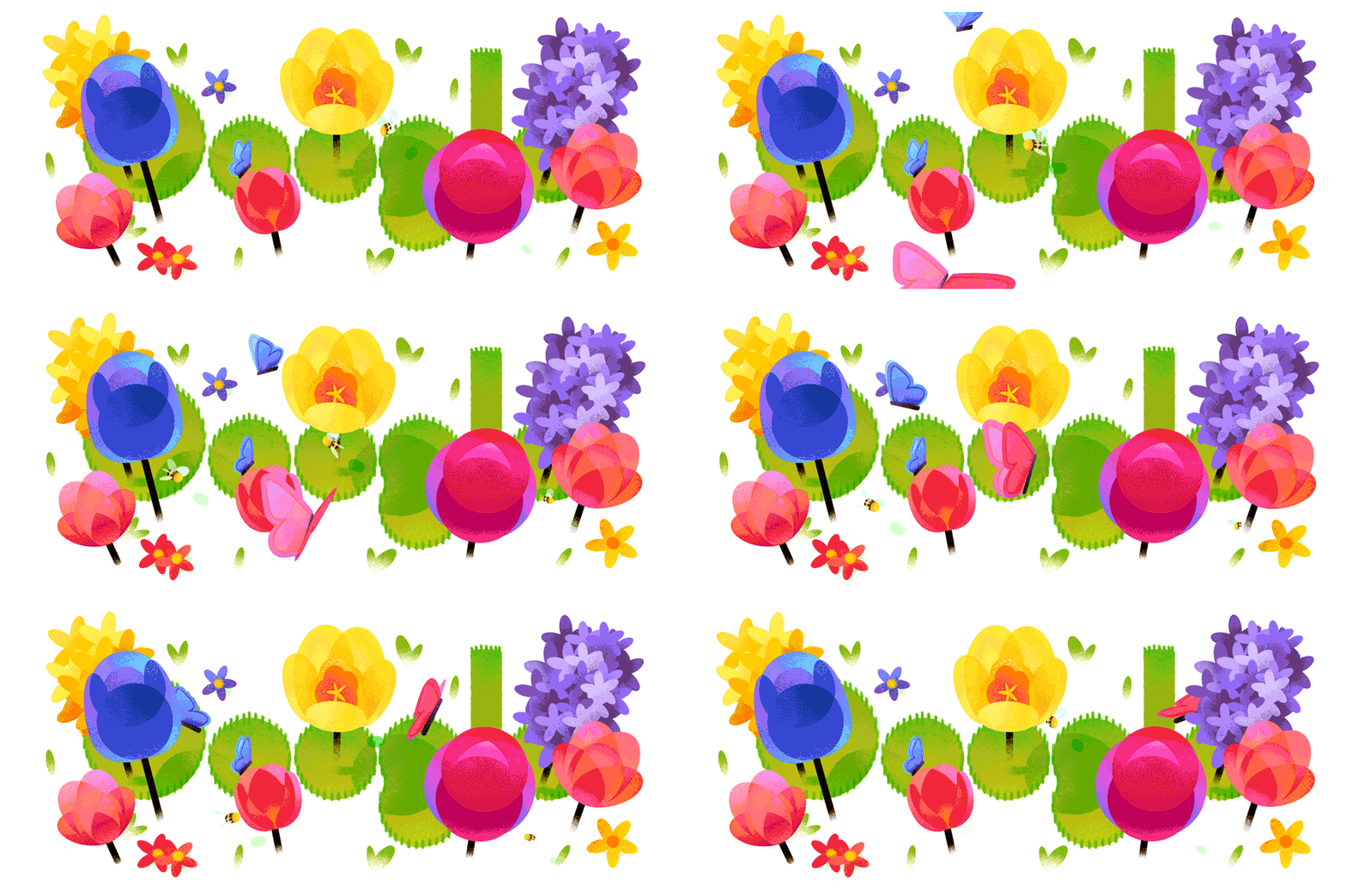


Nowruz 2017
https://www.google.com/doodles/

"Nowruz is a field where reconciliation and dialogue can take their roots."

Irina Bokova, Former Director General,
Message on International Day of Nowruz 2017

March 21, is also International Day of NowruzFor more than 3,000 years, people of Persian ancestry have been celebrating Nowruz, the return of Spring and the start of a new year. 

Google celebrates as well the 21 March Nowruz Day with springtime flowers, like the hyacinths and tulips in today’s Doodle.

A combination of the Persian words “now” for new and “ruz” for day, it is often celebrated at the exact moment of the vernal (spring) equinox, when the days start getting longer, and the celebrations can continue for up to two weeks.

Nowruz is a time of joyous renewal. Visits with friends and family, a clean house and new clothes, and special spring foods are traditional ways to celebrate the holiday. 

Perhaps the most enduring image of Nowruz is gathering together with friends and family around a bonfire. People also like to decorate with springtime flowers, like the hyacinths and tulips in today’s Doodle.
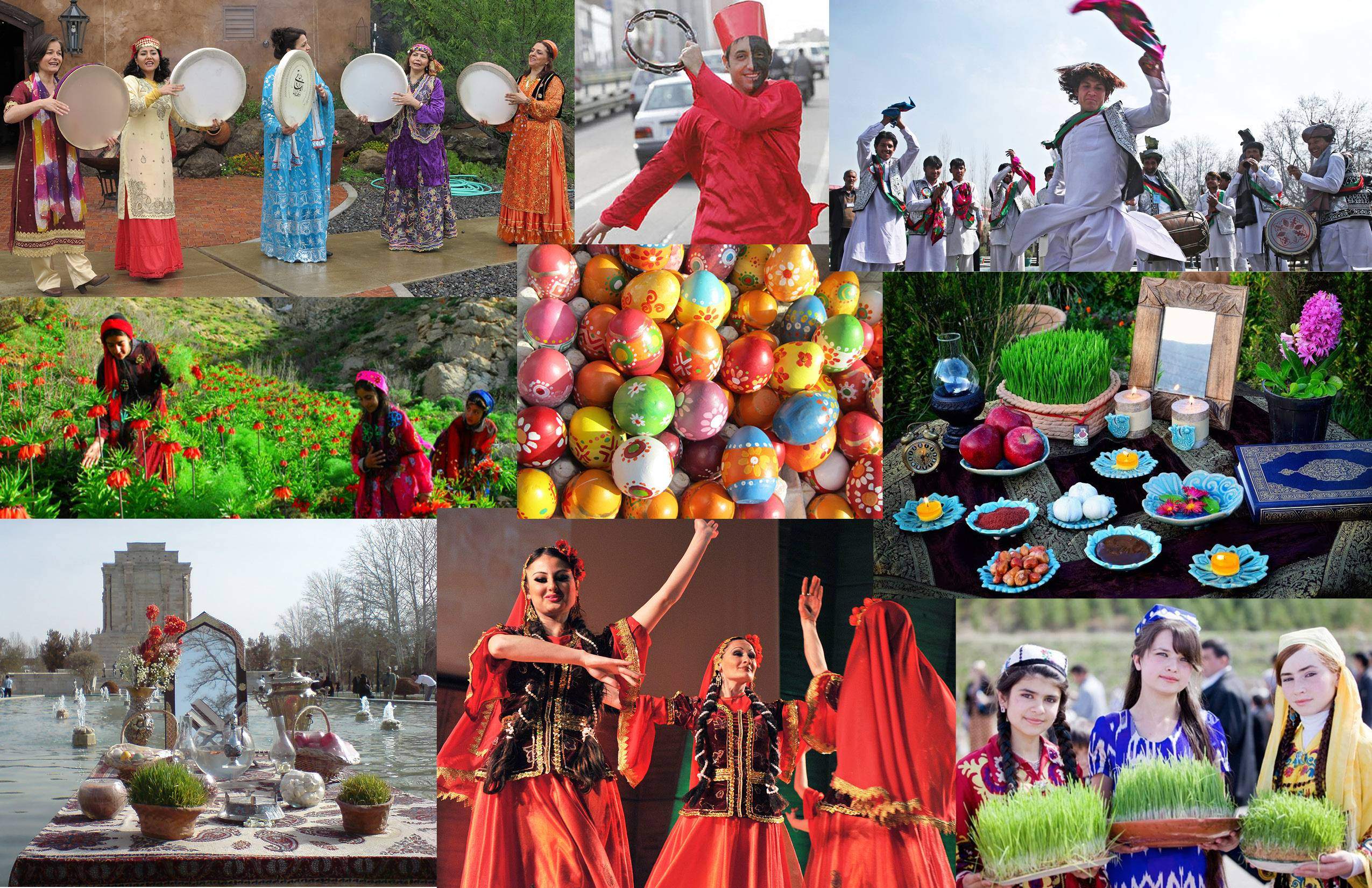


Nowruz traditions


Inscribed in 2009, and extended in 2016 on the Representative List of the Intangible Cultural Heritage of Humanity as a cultural tradition observed by numerous peoples, Nowruz is an ancestral festivity marking the first day of spring and the renewal of nature.

It promotes values of peace and solidarity between generations and within families as well as reconciliation and neighborliness, thus contributing to cultural diversity and friendship among peoples and different community.


Persian Poetry: Omar Khayyam. Rubáiyát
Translated by Edward FitzGerald with illustrations by Arthur Szyk 
New York: Heritage Press, ca. 1946

The rich Persian poetry is an ancestral art. The modern Persian speaker comprehends the literature of the earliest Persian poets including founder of the Persian poetry and literature Rudaki (approximately 1150 years ago) all the way down to the works of modern Persian poets. 


I saw a bird near the city of Sarakhs
It had raised its song to the clouds
I saw a colorful chador on it
So many colors on its chador

Abū ‘Abdallāh Rūdakī (858–ca. 941)

Often referred to as the father of modern Persian poetry, the ninth-century Persian poet Abū ‘Abdallāh Rūdakī (858–ca. 941) 


World Poetry Day
credits: Elyx
https://www.facebook.com/ElyxYak/

So, on World Poetry Day, teachers promote teaching poetry, restore a dialogue between poetry and the other arts such as theatre, dance, music, painting and other arts to  create an attractive image of poetry in the school so that the art of poetry will no longer be considered an outdated form of art but one.

Activities:

For different activities, you will find some interesting proposals on my Poetry Day post (2016) here
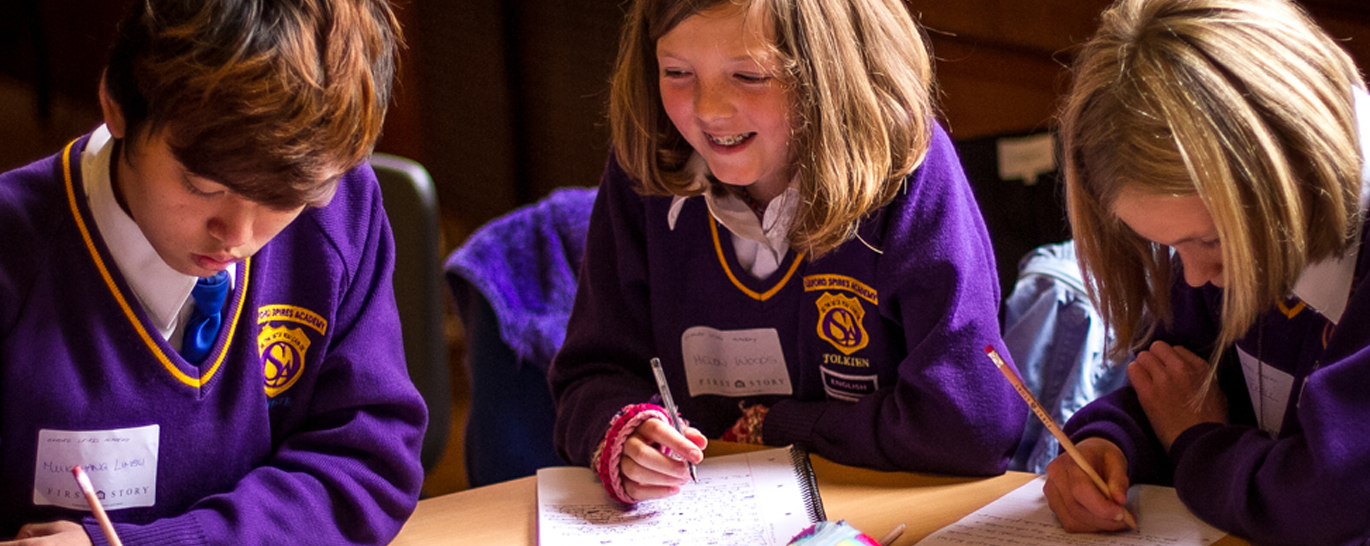


Poetry Day, UK

Education:

World Poetry Day is an opportunity for children to be introduced to poetry in at school (all levels). It is a time when classrooms are busy with lessons related to poetry, in which students examine poets and learn about different types of poetry. 

Students love poetry! Poetry is a good part or Languages and Literature
So here are some ideas that teachers can include into curriculum.


I love poetry. I read often poetry books. Here the reason why I'm always write 
about World Poetry Day and the importance of Poetry in our life. Poetry must be a part of children's education for the next citizen generation, women and men.
In adult life, they will be women and men of dialogue. Only dialogue can be established in difference and respect for difference. And who knows some among our students will be writers and poets.
All the Activities must be adapted to the levels you teach, of course. You will do wonderful I know. Include attractive poems into your lessons, so that the art of poetry will no longer be considered an outdated from of art but one. Poetry is a fundamental expression of peace.

World Poetry Day is symbolic. We can celebrate poetry every day.
"Poetry is not a luxury. It lies at the heart of who we are as women and men, living together today, drawing on the heritage of past generations, custodians of the world for our children and grandchildren. 
By celebrating poetry today, we celebrate our ability to join together, in a spirit of solidarity, to scale and climb “the cloudy summits of our time.” 
We need this to take forward the 2030 Agenda for Sustainable Development, to implement the Paris Climate Agreement, to ensure no woman or man is left behind."
Irina Bokova, Former Director-General of UNESCO

G-Souto
20.03.2017
Copyright © 2017G-Souto'sBlog, gsouto-digitalteacher.blogspot.com®

Creative Commons License
Schools : And now World Poetry Day ! bG-Souto is licensed under a Creative Commons Attribution-NonCommercial-NoDerivatives 4.0 International License.


Sunday, March 20, 2016

Education : It's World Poetry Day !


World Poetry Day 2016
credits: UNESCO

"Shakespeare, who died 400 years ago, wrote in A Midsummer Night's Dream that: “The poet’s eye, in fine frenzy rolling, doth glance from heaven to Earth, from Earth to heaven. And as imagination bodies forth the forms of things unknown, the poet’s pen turns them to shapes and gives to airy nothing a local habitation and a name”.

Irina Bokova, Former Director General UNESCO


Every year on 21 March, World Poetry Day celebrates one of humanity’s most treasured forms of cultural and linguistic expression and identity. Practiced throughout history – in every culture and on every continent – poetry speaks to our common humanity and our shared values, transforming the simplest of poems into a powerful catalyst for dialogue and peace.


UNESCO first adopted 21 March as World Poetry Day during its 30th General Conference in Paris in 1999, with the aim of supporting linguistic diversity through poetic expression and increasing the opportunity for endangered languages to be heard.


"World Poetry Day is the occasion to honour poets, revive oral traditions of poetry recitals, promote the reading, writing and teaching of poetry, foster the convergence between poetry and other arts such as theatre, dance, music and painting, and raise the visibility of poetry in the media.  As poetry continues to bring people together across continents, all are invited to join in."


Poetry Day
credits: Cosei Kawa, illustrator


Education:
"Every poem is unique but each reflects the universal in human experience, the aspiration for creativity that crosses all boundaries and borders, of time as well as space, in the constant affirmation of humanity as a single family."

Irina Bokova, Former Director-General of Unesco
World Poetry Day is an opportunity for children to be introduced to poetry in at school (all levels). It is a time when classrooms are busy with lessons related to poetry, in which students examine poets and learn about different types of poetry. 

Students love poetry! Poetry is a good part or Languages and Literature
So here are some ideas that teachers can include into curriculum.


Activities:

"Poetry is the mainstay of oral tradition and, over centuries, can communicate the innermost values of diverse cultures."

  • Encourage your students to read, write their own poetry in the classroom. For some ideas, please read my post: It's About Twiter and Poetry (World Poetry Day 2011);
  • Award your students for best and creative poems! Students love 'awards'!
  • Invite to learn from the proverbs of your country, and discover the poetic teachings of others;
  • Organise readings of poems from different cultures, including from pupils' own cultures. 
  • Investigate different forms of poem, such as the Japanese Haiku which Haiku Poetry Day will be celebrated next 17th April. 
  • Read up about riddles, limericks and sonnets with students to liven up your school libraries;
  • Promote a contest of poetry between different classes at you school or other schools;
  • Invite a young poet to talk about his poetry with your students at school;
  • Go at book stores, metro stations, gardens, and inspire your students to read some poetry. 
  • Promote some exhibitions and poetic events at your school to be held to showcase the work of various 'young poets' (school  students) on or around March 21 to coincide more or less with "World Poetry Day";
  • Support Poetry by inviting your students and their parents buying books of young poets (sometimes, parents ask teachers for some advices to buy books for their chidren);
  • Support poetry in school radio club (if there is one), publish students poems in the school journals, display videos about poets! Bright Star, lovely movie hounoring the poet John Keats by Jane Campion is a captivate digital resource to display in the classroom or at the school library promoting a dialogue on Poetry. Invite some parents  and grandparents to participate and read some poems.
  • Awaken the poet inside of you and impress your students with your creativity, inventiveness and imagination.


Reading
credits: Cosei Kawa, illustrator

I write every year about World Poetry Day and the importance of Poetry in our life. Poetry must be a part of children's education for the next citizen generation, women and men.
In adult life, they will be women and men of dialogue. Only dialogue can be established in difference and respect for difference. And some among them will be writers and poets.
All the activities must be adapted to the levels you teach, of course. You will do wonderful I know. Create an attractive image of poetry in your lessons, so that the art of poetry will no longer be considered an outdated form of art but one. Poetry is a fundamental expression of peace.
In European countries, it's Spring holiday. But we have the time to celebrate poetry after Easter season. The day is symbolic. You can celebrate poetry every day.
"By paying tribute to the men and women whose only instrument is free speech, who imagine and act, UNESCO recognizes in poetry its value as a symbol of the human spirit’s creativity. By giving form and words to that which has none – such as the unfathomable beauty that surrounds us, the immense suffering and misery of the world – poetry contributes to the expansion of our common humanity, helping to increase its strength, solidarity and self-awareness."
Irina Bokova, Former Director-General of UNESCO

G-Souto
20.03.2016
Copyright © 2016G-Souto'sBlog, gsouto-digitalteacher.blogspot.com®

Creative Commons License
Education : It's World Poetry Day ! bG-Souto is licensed under a Creative Commons Attribution-NonCommercial-NoDerivatives 4.0 International License.

Monday, April 21, 2014

Literature : Charlotte Brontë : Teachers & students : resources


Charlotte Brontë by Charlotte (1816-1854) 
by George Richmond, 1850


On April 21, 1816, English novelist and poet Charlotte Brontë, the eldest of the three Brontë sisters was born, whose novels are English literature standards. 


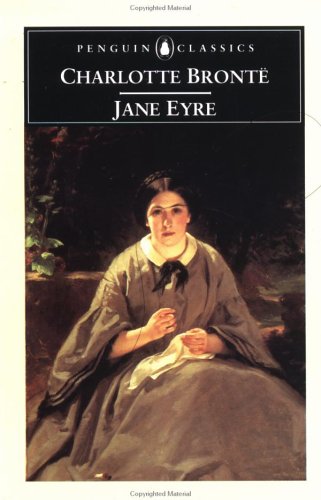
Jane Eyre An Autobiography
Charlotte Brontë/ Currer Bell

Most notably she wrote Jane Eyre under the pen name Currer Bell.


Google Doodle:


Google doodle Charlotte Brontë's 198th Birthday (1816)

Google celebrates today, April 21, Charlotte Brontë, the 186th anniversary with a doodle Charlotte Brontë, the English novelist, poet and the eldest of the three Brontë sisters who lived into adulthood, depicting her most famous novel, Jane Eyre, one of the most famous novels in the English language.

Brontë was born on 21 April 1816 in Thornton, Yorkshire, the third of six children. Her younger sister, Emily Brontë, wrote Wuthering Heights.


Her brief life was overshadowed by enormous tragedy, which inspired her greatest works. Writing became Charlotte's refuge and salvation and she produced a further two novels. She wrote not one but two masterpieces. Most readers know Jane Eyre. Even non-readers feel they know it, because they have seen a film version, or just because it is a part of our common culture.

In 1854, Brontë married but died the next year during her first pregnancy. She was 38 years-old.


Charlotte Brontë
Portrait JH Thompson

Education:

My usual readers know what I think about Google Doodles. Doodles can be a wonderful introduction to any curriculum: poetry, science, arts, music, zoology, even sport.

So to writing about Charlotte Brontë's Doodle in Literature or Languages lessons will be a pleasure. It can be a lovely motivation on reading activities, for example.


Jane Eyre
Charlotte Brontë
http://pinkbambi13.files.wordpress.com/


"I am no bird; and no net ensnares me: I am a free human being with an independent will."

Charlotte BrontëJane Eyre

Her famous novel Jane Eyre is a classic in all school curriculum in Literature.


Jane Eyre/ And Autobiography
Charlotte Brontë/ Currer Bell

Some information:

Originally published as Jane Eyre: An Autobiography in 1847, under the pen name "Currer Bell", the book is the story of the titular character Jane, a willful young orphan raised by Mrs. Reed, her cruel, wealthy aunt.

It tells the story of Jane, who falls in love with her employer, Mr Rochester. The couple marry after Mrs Rochester dies in a house fire.

The book follows Jane through school life to adulthood where she meets a dark, impassioned man named Rochester, with whom Jane finds herself falling in love.


Jane Eyre
Charlotte Brontë
The two are about to marry when it is revealed that the mysterious Rochester already has a wife, the insane Bertha Mason. Jane flees but the two are both later reunited after Rochester's wife sets fire to the house and commits suicide.

Rochester, who was injured in the house fire, fears that Jane will be repulsed by him. "Am I hideous, Jane?", he asks. “Very, sir: you always were, you know” she replies. The two eventually marry.


Jane Eyre, film
Cary Fukunaga, 2011

Books & Movies:

The novel has had a wide influence and has been adapted on a number of ocasions for television, theatre, and movies.

The last version, a movie adaptation by Carv Fukunaga (2011) featured by Mia Wasikowska and Michael Fassbender.


Jane Eyre, film

Cary Fukunaga, 2011

Also drawing a number of reinterpretations and rewritings, including novels such as Jean Rhys's Wide Sargasso Sea.


Charlotte Brontë
 credits: Pictorial Press Ltd / Alamy

Literature: Analysis

Type: Jane Eyre is a novel.

Genre : A hybrid of three genres: 
  • the Gothic novel (utilizes the mysterious, the supernatural, the horrific, the romantic); 
  • the romance novel (emphasizes love and passion, represents the notion of lovers destined for each other); 
  • the Bildungsroman (narrates the story of a character’s internal development as he or she undergoes a succession of encounters with the external world)


Jane Eyre, film
Cary Fukunaga, 2011


Themes:

Themes are the fundamental and often universal ideas explored in a literary work.
  • Love vs autonomy
  • Religion
  • Social Classes
  • Gender Relations
Motifs: 

Motifs are recurring structures, contrasts, and literary devices that can help to develop and inform the text’s major themes.
  • Fire & Ice
  • Substitute Mothers
Symbols:

Symbols are objects, characters, figures, and colors used to represent abstract ideas or concepts.
  • Bertha Mason
  • The Red Bedroom

Teachers will adapt the analysis to the level they are teaching and will preparing some activities. See other resources below


Activities:


  • Reading: Before or after the movie;
  • Writing: Let your students explore Jane Eyre websites (English, French, Spanish, Italian) on their tablets, iPhones, Smartphones to prepare an  essay about the author;
  • Drawing: Students could create a comic strip about the the novel;
  • Web: Explore the possibility of asking your students to build a web blog in an exchange project with a English school (if you they are not born English natives;
  • Web 2.0: Find school partners on Facebook or Twitter;
  • Multimedia: 


Other activities:


1) Cartoonize Charlotte Brontë - the biographical essay done by students, or the novel that  you read in the classroom, could be cartonized with Convert to Cartoon, an easy way to create cartonized versions of images and drawings (students and teacher)

2) Create a video with Animoto (students and cross.curricula teachers)


Charlotte Brontë’s tiny manuscripts 
A book written by Charlotte Bronte at the age of 14 will return home after being bought by the Brontë Society at auction in Paris.
The miniature work, called "The Young Men's Magazine", will go to the Parsonage Museum in the Brontës' old home in Haworth, West Yorkshire.
It was bought for €600,000 (£512,970) after a fundraising campaign by the Brontë Society, which runs the museum.
The museum lost out on the book when it last went under the hammer in 2011.
The work is one of six "little books" written by Charlotte, the eldest of the three sisters, in 1830. 
Five are known to survive, and the Bronte Parsonage Museum already holds the other four. Read more here

Other Resources:

Charlotte Brontë: An Overview - The Victorian Web 


The Brontë Society/ Brontë Parsonage Museum


Judi Dench appeals for public help to bring rare Brontë book to UK as auction looms

The Guardian/ Books


 Charlotte Brontë, author of Jane Eyre
credits: Stock Montage/Getty Images

Some thoughts:

So as you see, even now we are talking about formal learning as a captivating method! That will depend on you as a creative teacher including into your lessons educational digital resources.

Well, there are a lot of interesting and engaging activities about the narrative text that you can create yourself as teacher and share with your students in formal and non formal teaching and learning. Online learning, why not?!

Believe me! You will have a motivated class that will learn literature, fiction, vocabulary, grammar enthusiastically.

You, don't forget, "the attitude" of changing methods, as a creative mind to facilitate different pedagogical activities to your students!

G-Souto

21.04.2014

update 18.11.2019
Copyright © 2019G-Souto'sBlog, gsouto-digitalteacher.blogspot.com®

Creative Commons License
Literature : Charlotte Brontë : Teachers & students : resources by G-Souto is licensed under a Creative Commons Attribution-NonCommercial-NoDerivatives 4.0 International License.