My thoughts about Education Humanities, Technology and Digital Culture. Interested on social media tools in educational contexts and
gamification in education.
Air pollution is often invisible, but its impacts are deeply personal.
In 2023, exposure to air pollution worldwide resulted in an estimated 7.9 million deaths, and millions of healthy years of life lost.
It affects how we breathe, how we live, how we feel, our ability to earn a living, and how we imagine the future.
Every Breath Has a Story is a global call for powerful photographs and personal reflections that reveal the human reality of air pollution: its sources, its consequences, and the hope found in action and cleaner air solutions.
We are especially proud to launch the first chapter of this campaign at theAfrica Clean Air Forum 2026, in Pretoria, spotlighting stories and images from across Africa.
Whether you are a professional photographer, student, activist, journalist, or someone who captured a meaningful moment on your phone, we want to see the world through your eyes.
What to look for :
Submissions will be welcome that capture one or more of the following:
Air Pollution Sources: Traffic, smoke, waste burning, cooking fuels, generators, industry, dust, agriculture, open burning, or other unique sources.
Human Experience: How polluted air affects daily life, movement, work, family life, schools, and wellbeing.
Health Impacts: Children, elders, vulnerable communities, hospitals, respiratory challenges (e.g., use of inhalers).
Selected entries will be featured in a clean air campaign during the Clean Air Day (September 7).
Selected entries will also be featured in global reports on air quality published by the Climate and Clean Air Coalition (CCAC) and State of Global Air (SoGA).
Selected entries from Africa will be featured in a photo exhibition in Pretoria, South Africa in July 2026.
All selected contributors will receive full credit.
If you are a teacher in Africa or have African students among your students, it will be a wonderful activity to promote into your curricula.
Interesting activity to students who love Photography or study Arts & Photography, don't you think?
Students love participate in contests. They get excited to show off their skills no matter the contest. But a contest about Photography?
You can ask for help from a colleague who loves photography or is on the Photography Club at school.
Participating in this photo contest uploading a photo that young people can shot in a big city, a small town, a village, whatever.
The contest could be an interesting activity to those students who are enjoying summer holidays or to those students who preparing their exams. During a breack and going, a good relaxing activity.
💛Note : Photos from Africa will be spotlight. However all photos about Pollution will be welcome.
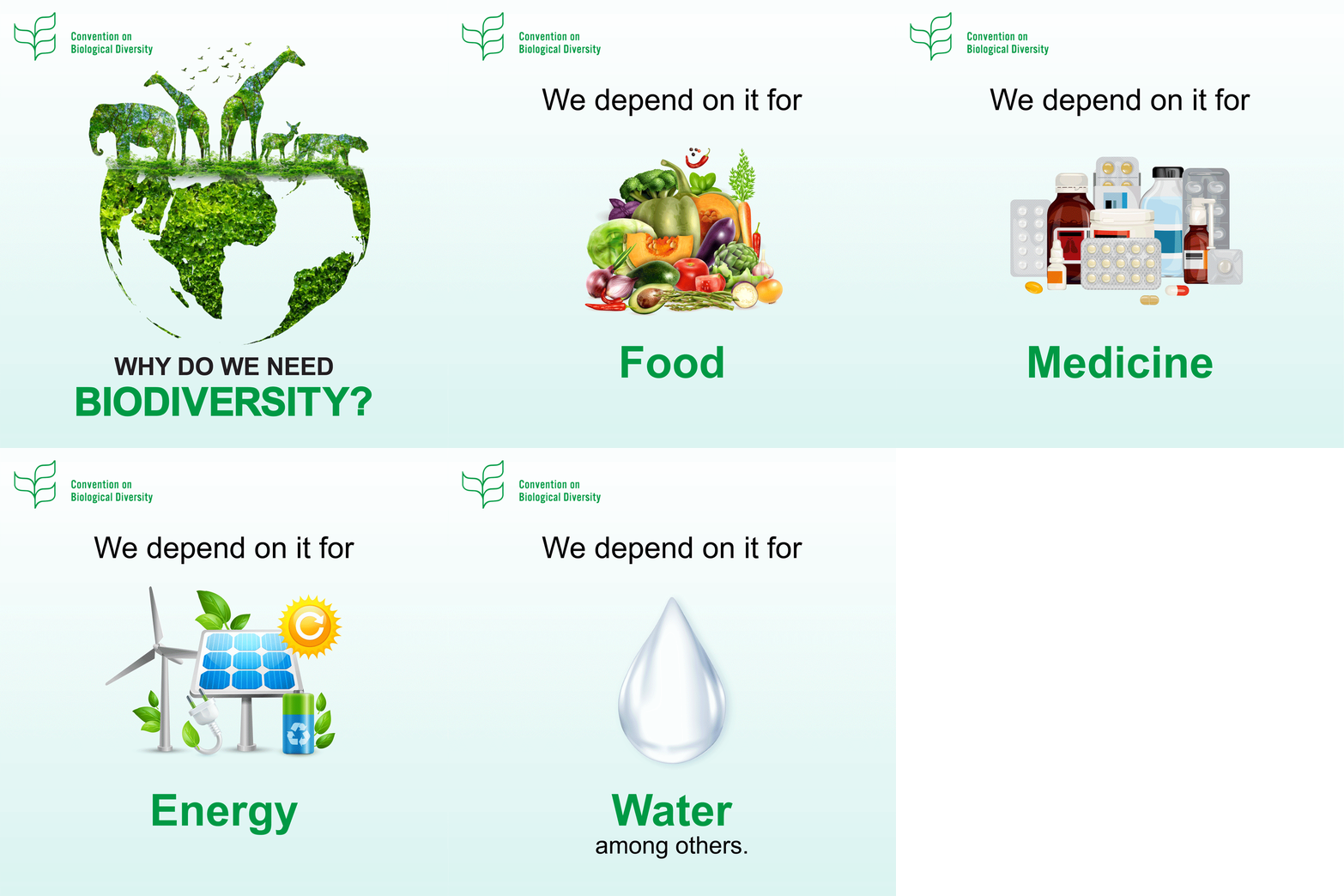
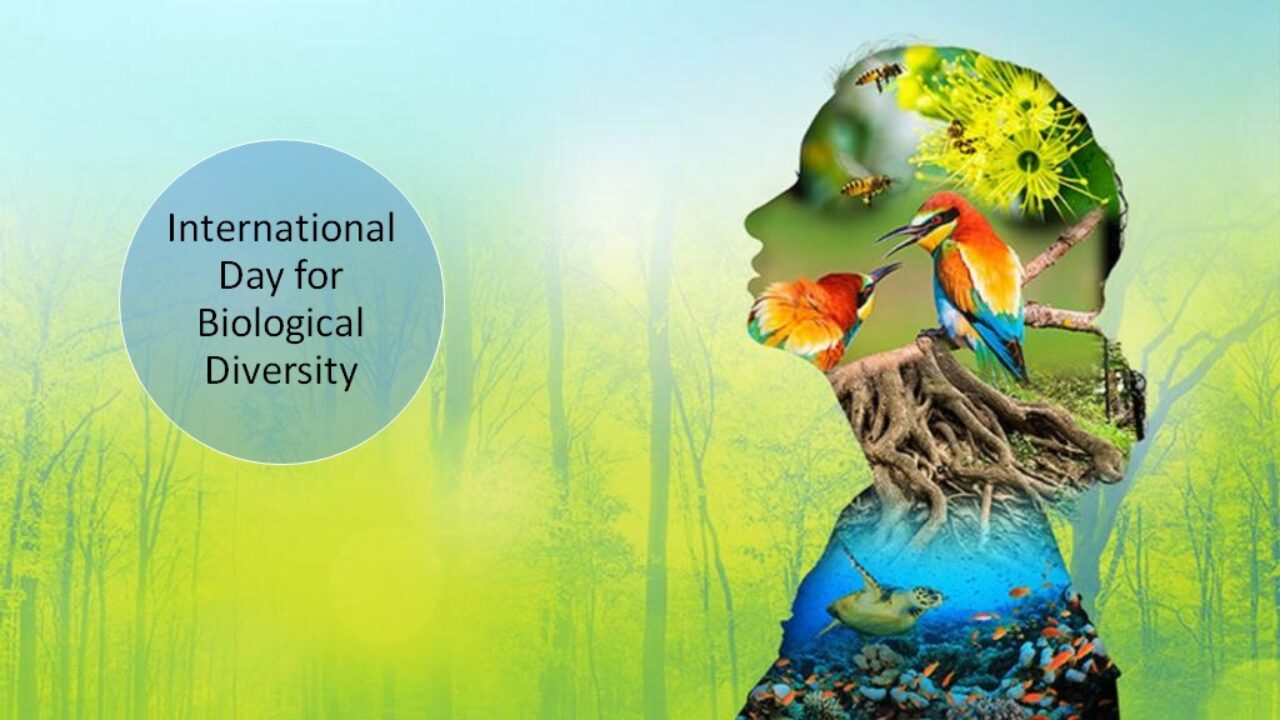
“On the International Day for Biological Diversity, we reflect on our relationship with humanity’s life-support system, from the air we breathe and the food we eat, to the energy that fuels us and the medicines that heal us, our lives are wholly dependent on healthy ecosystems,”
UN Secretary-General António Guterres
While there is a growing recognition that biological diversity is a global asset of tremendous value to future generations, the number of species is being significantly reduced by certain human activities from illegal logging to poaching wildlife.
Biological diversity is often understood in terms of the wide variety of plants, animals, and microorganisms, but it also includes genetic differences within each species.
In a delicate balance, biodiversity reflects differences between varieties of crops and breeds of livestock as well as the variety of such ecosystems as lakes, forests, deserts, and agricultural landscapes, that host myriad interactions among their human, plant, and animal guests.
But, the loss of biodiversity threatens all, including health. It has been proven that biodiversity loss could expand zoonoses – diseases transmitted from animals to humans. Keeping biodiversity intact offers excellent tools to fight against pandemics like those caused by coronaviruses.
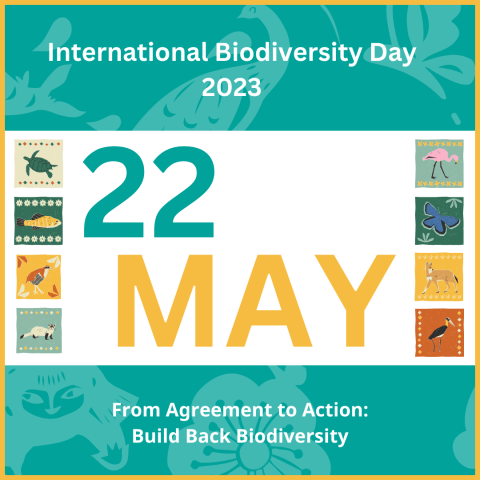
"Moving from talk to action: build back biodiversity."
From towering forests to the depths of the sea,
Countless species reside, each vital to keep.
But human actions have taken a toll,
Once-thriving habitats, degrading and frail.
#BuildBackBiodiversity, our duty, our mission,
Revive nature, a critical ambition.
The time is now, to heed the urgent call,
Reverse biodiversity loss, for humanity’s survival.
🌳 Current negative trends in biodiversity and ecosystems will undermine progress towards 80 per cent of the assessed targets of eight Sustainable Development Goals (SDGs).
🌳 Three quarters of the land-based environment and about 66 per cent of the marine environment have been significantly altered by human actions.
🌳 1 million animal and plant species are now threatened with extinction.
🌳 Poaching and illegal trade contribute directly to the extinction of many species.
🌳 Illegal logging is estimated to account for between 10 and 30 per cent of the global timber trade.
🌳 Fish provide 20 per cent of animal protein to about 3 billion people.
🌳 More than 80 per cent of the human diet is provided by plants.
🌳 Nearly 80 per cent of people living in rural areas in developing countries rely on traditional plant‐based medicines for basic healthcare.
"Our actions are devastating every corner of the planet: 1 million species are at risk of extinction, the result of habitat degradation, skyrocketing pollution, and the worsening climate crisis.”
From mitigating the impact of climate change to underpinning economies, the natural world is crucial to life as we know it We cannot afford to lose it
via The University British Columbia/ UBC Botanical Gardens
Education:
What your students and you can do?
This daymobilize teachers, students, researchers on Biodiversity issues and their interdependence with global sustainable development issues.
However, Biodiversity is not a day. It's a real activity for days along the school year.
"Given the importance of public education and awareness about this issue, the UN decided to celebrate the International Day for Biological Diversity annually."
Education can help to understand better the value of biodiversity and the causes of biodiversity loss.
Curricula : Sciences ; Geography; Languages ; Civics.
Levels : All levels. Different activities may be adapted to the level you are teaching.
Teachers will be inspired to prepare some pedagogical activities. Educators and students are invited to be active and help to conserve the biodiversity.
Teachers begin by suggesting the students to discover the exceptional beauty and richness of biodiversity.
Educators introduce the concept of biodiversity : a general term denoting the variability of plants, animals and micro-organisms existing on Earth, their variability within a single species and also the variability of the ecosystems to which they belong.
Broadly speaking, biodiversity covers genetic diversity, the diversity of species and the diversity of habitats and ecosystems.
In order to carry out the activities, the class goes outside on fresh air at their natural surroundings, with teachers.
Students learn how to observe, to “read” their environment better, to examine it in detail and to see things they may never have noticed before, and to distinguish different environments where biodiversity exists in various forms.
Students can get some pics using mobile devices (tablets; smartphones).
Include the social networks into the curricula (Twitter, Instagram, TikTok, Facebook), to share experiences with other schools.
Explore Google Earth. Let your students find and explore the theme.
This approach encourages students to use their senses to discover the environment and biodiversity.
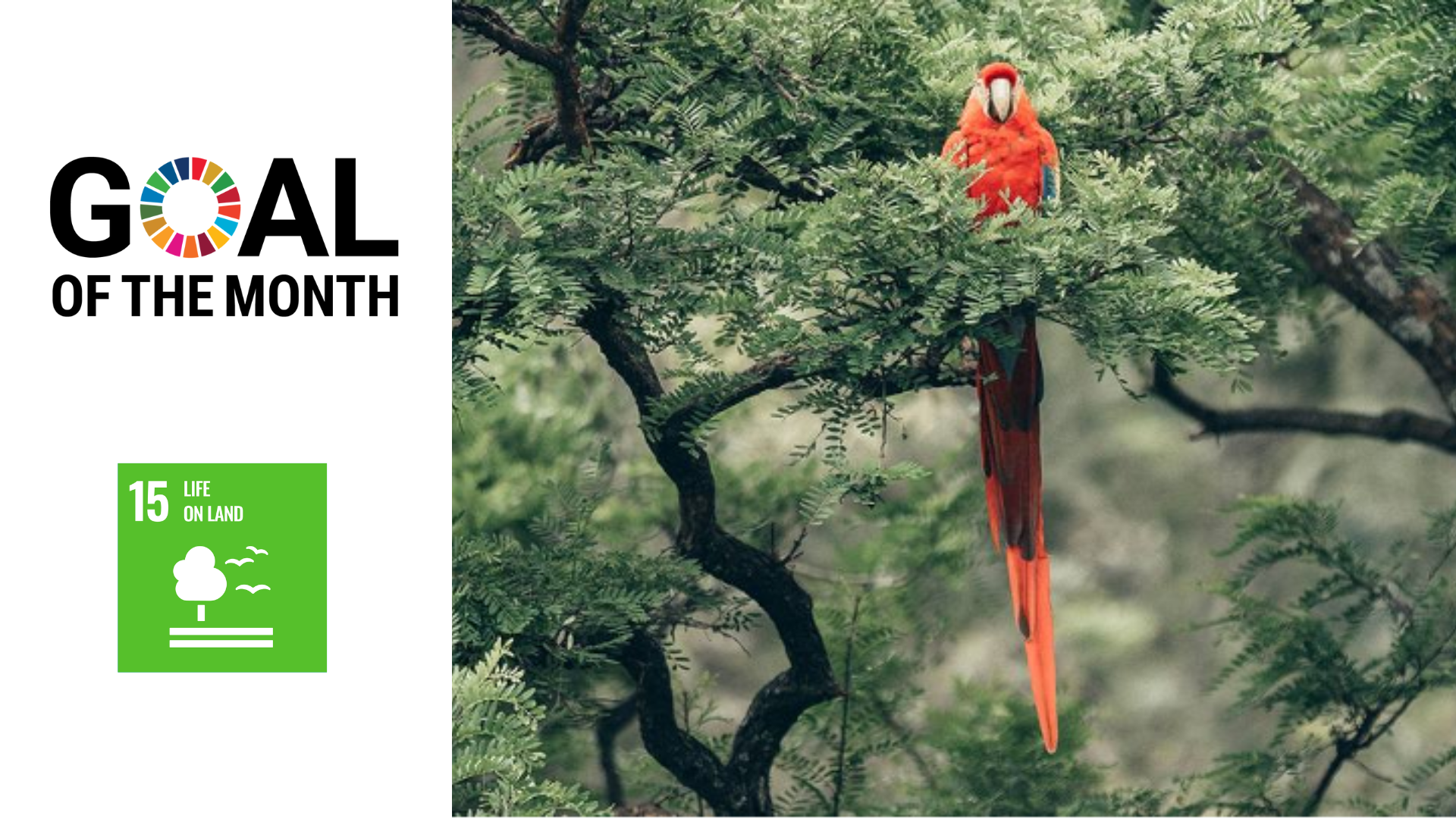
This month’s Goal of the Month editorial focuses on Goal 15,Life on Landwhich is about protecting life on land. It is to conserve and restore terrestrial ecosystems, sustainably manage forests, combat desertification, halt and reverse land degradation and stop biodiversity loss. Read more here
“Biodiversity is collapsing as one million species teeter on the brink of extinction. We must end these relentless and senseless wars on nature.”
UN Secretary-General António Guterres, UN Secretary-General
UN Environment is seeking inspired young problem-solvers with big, bold, ideas for the environment, for humanity, for a greener future. Does that sound like you? If you are between 18 and 30 years-old, applications are open!
Celebrating young people with a big idea to protect or restore the environment; a vision for a more sustainable future; and a strong track record of instigating change. They are unafraid of failure; believe in a bright future for our planet, and have what it takes to be a Young Champion of the Earth.
True! UN Environment and Covestro are calling on 18-30-year-old innovators to submit their creative solutions to the world’s most pressing environmental challenges. Young Champions of the Earthaims to celebrate and support individuals aged between 18 and 30 who have outstanding potential to create a positive environmental impact.
The UN is now searching for the next Young Champions of the Earth for 2019. Following an open call for applications, a global jury will select the seven 2019 winners.
Each winner will be expected to implement their big idea and keep UN Environment and partners updated on their progress by producing vlogs and blogs.
Interested environmentalists between the ages of 18 and 30 are encouraged to submit their big ideas here by midnight GMT on 31 March 2019.
In 2019, seven young people – selected from every global region – will be named Young Champions of the Earth.
These winners receive seed funding, intensive training, and tailored mentorship to bring their big environmental ideas to life.
UN are looking for the artists, scientists, economists, communicators and entrepreneurs from all walks of life with big, bold ideas - for the environment, for humanity, for a greener future.
The open call for applications will run until 31 March 2019. Each applicant will be required to submit responses to a series of questions and upload a referee’s letter of endorsement
Finalists - drawn from every world region - will be short-listed by UN experts and requested to submit short videos pitching their big ideas.
In the final stage, a Global Jury will review the World Finalists’ big ideas and choose seven Young Champions of the Earth. The winners will be publicly announced and invited to attend the Champions of the Earth Award Ceremony.
Note:The winners will be expected to implement their big ideas and act as ambassadors of cause at speaking opportunities, while providing regular progress updates in the form of videos and blogs that will be shared on this website.
Contest rules:
Following an open call for applications, UN experts will short-list World Finalists from every region.
A Global Jury will then select the seven 2019 winners. Each winner will be expected to implement their big idea and keep us updated on their progress by producing videos and blogs that we will share on our website.
In parallel, up to 50 of the most promising applicants will be granted privileged access to an expert community of Covestro mentors. They will offer insights on topics ranging from communications and business development to project planning and financial management. Read more here
The question is: What are you doing about it? Now more than ever, those of us who care for the natural world must stand up and be counted. Whether you’re an activist, educator, innovator or artist, we need you to challenge the status quo and fight for the health of our planet and its people.
You can submit your application until 31 March 2019 via the application portal on this website.
You will need to identify a referee who can vouch for the viability of your idea and for you as an individual.
Once you submit your application, no further edits or changes will be possible. Read more here
In 2019, seven Young Champions of the Earth will be selected from each global region: one from each of Africa, Europe, Latin America and the Caribbean, North America, West Asia, and two from Asia and the Pacific. Each winner will receive the following:
Each of seven winners in the 2019 program, the third year of the global competition, will receive $15,000 seed money to invest in their projects, invitations and funding to attend high-level UN meetings to share their ideas with the world, and training and mentorship.
Get Inspired:
You can find out more about the 2018 Regional Finalists. They offer an impressive array of scalable, innovative and potentially impactful solutions to some of the world’s most pressing environmental challenges.
Following the non-binding public poll which attracted tens of thousands of votes, a Global Jury will select seven Young Champions of the Earth who will be announced to the public in mid-September.
UN encourages everyone who wants to make a difference for our planet to see if they have what it takes to be a Young Champion of the Earth. Apply today!