Showing posts with label health. Show all posts

Sunday, November 6, 2022

Schools : Oh no ! Fall-back time, again ! Make You Feel Crappy ?


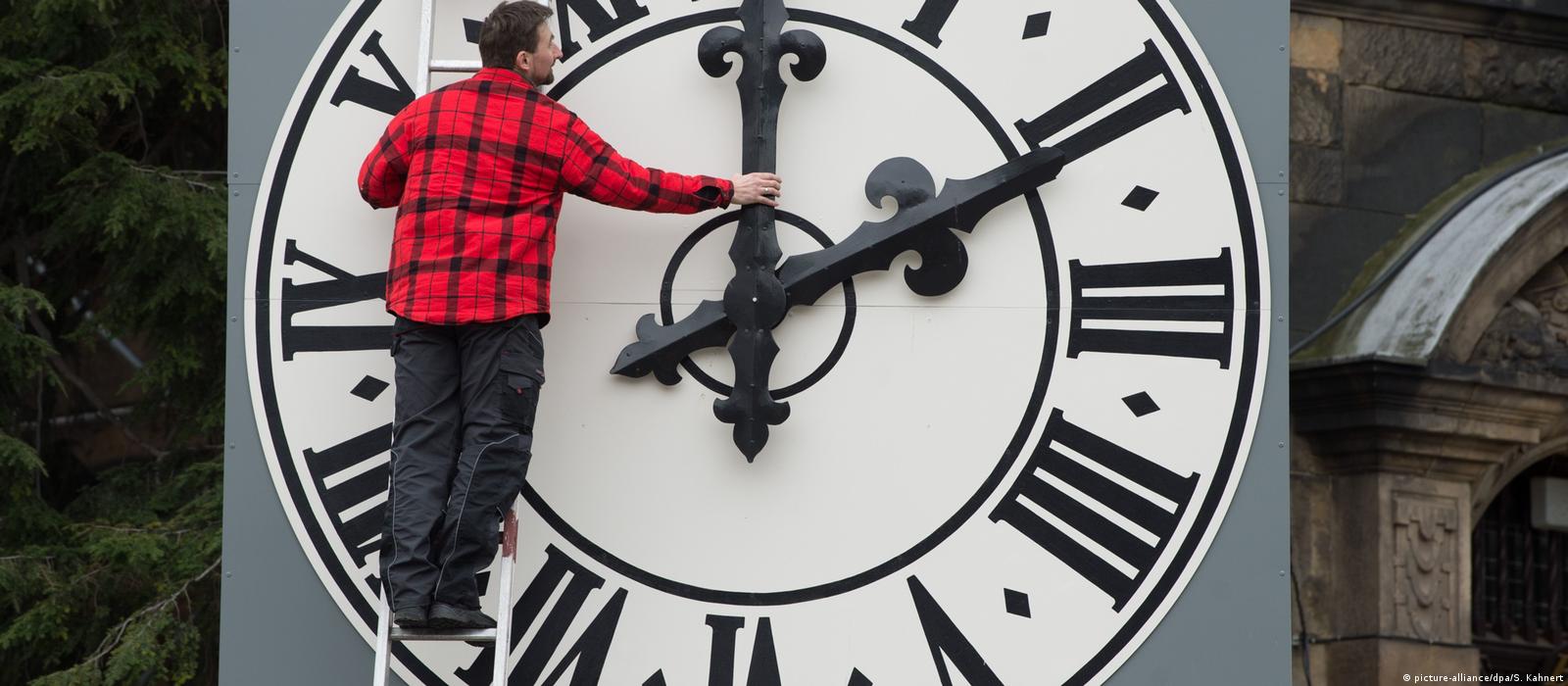
credits: Sebastian Kahnert/DPA/AFP 
via Getty Images)DPA/AFP via Getty Images

If this week already feels like a major struggle, we can probably blame the time change. Even though most of us seem to hate it, we still have to deal with daylight saving time.

Daylight Saving Time (DST) is the practice of setting the clocks forward one hour from standard time during the summer months, and back again in the fall, in order to make better use of natural daylight.

In European countries fall back time was 29 October 2022. In the United States was the 6 November 2022 both at 2:00 A.M.-

Worldwide, more than 70 countries observe daylight saving time.


Ohio clock US Capitol 
March 31, 1918

Clocks were set back 1 hour from 02:00 (2 am) to 01:00 (1 am) local time on Sunday, November 6, 2022

As always, Europe ended DST a week before the US, on October 30, 2022.
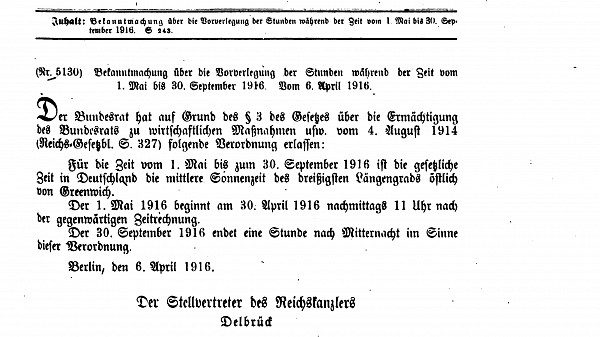


Law text for the world's first nationwide DST switch 
(Reichsgesetzblatt, German Empire, 1916)

When Germany first set the clocks forward on April 30, 1916, it became the first country in the world to use DST on a national level. However, the town of Thunder Bay in Ontario, Canada implemented DST as far back as 1908.

About DST in the US:

On March 15, 2022, the US Senate surprisingly and unanimously passed the Sunshine Protection Act. The announcement came two days after most of the US set their clocks forward one hour for DST. 

If the bill passes the next stage, permanent DST will be the new standard time in all but two states in the US. States that don’t have DST, including Hawaii and most of Arizona, may choose the original standard time.

Many states want to remove DST. 18 states have enacted legislation or passed regulations for permanent DST.


Similar situation in Europe. Most of Europe started DST on 30 October, 2022. However, frustrations with the DST clock changes have led the European Parliament to draft a law to remove DST in the European Union permanently.

The removal of DST was initially planned for 2021, but it did not happen. In 2020 and 2021, Europe, like the rest of the world, was busy handling the health and economic effects of Covid-19.


About DST in Europe:

Years after the proposal to end thseasonal changes of time across the EU was first released, Europeans will on Sunday, 29 October have to again set their clocks back, a practice that's unlikely to change soon. 

The European Commission unveiled its proposal to abolish the time change in September 2018 following a public consultation in which an overwhelming majority of the 4.6 million European citizens who took part called for the practice to be brought to an end. 

Since then, nothing. Negotiations have still not started in the European Council.
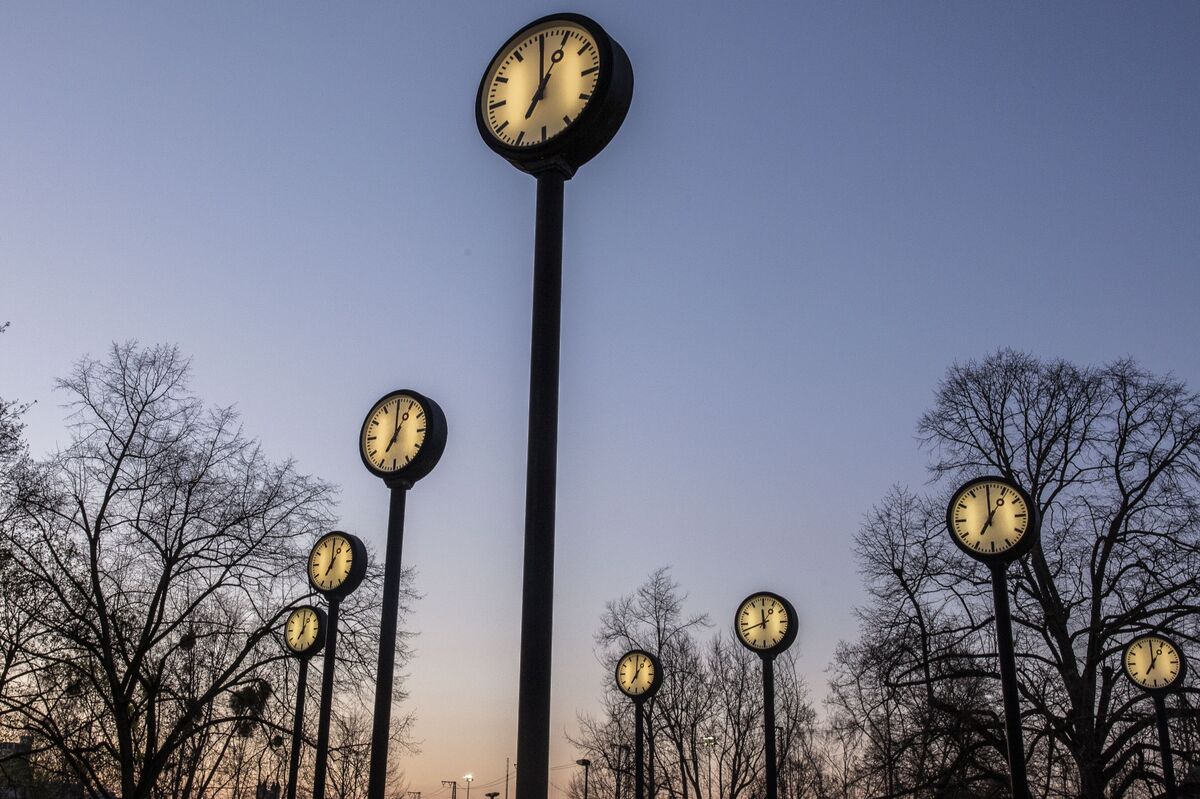


credits: : Maja Hitij/Getty Images

Massive support for halting daylight saving time:

  • Over 80 percent of respondents supported abolishing changing the clocks in summer and winter in a survey that ran between July 4 and August 16 2018, according to media reports on the results.

  • Some 4.6 million people took part in the online survey, making it the largest one in EU history.

  • The survey particularly struck a chord with Germans, with three million taking part.

Time to discuss ending seasonal clock changes has therefore been scarce.

There are currently three standard time zones in the EU:
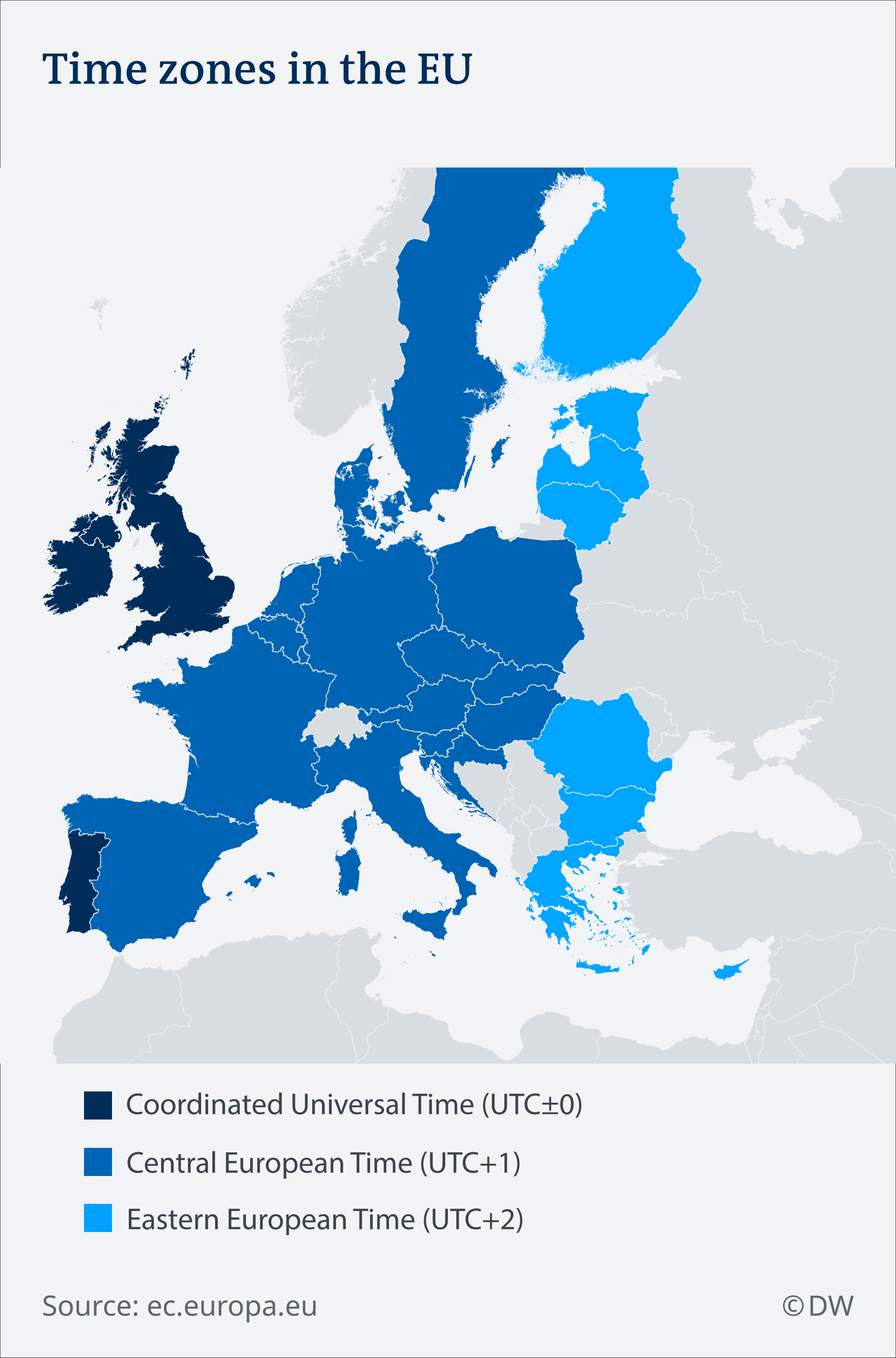


credits: EC Europe EU
via DW

Times flies

Daylight Saving Time (DST), where clocks are set ahead one hour in early spring and set back one hour in the autumn, was first introduced in Europe in 1916 when Germany, then still at war, was trying to reduce consumption of coal so it could be used for its weapon factories. 

Most neighbouring countries, as well as the UK, US and Australia, followed suit. 

The practice was mostly abandoned in Europe after World War II but was rolled out once more in the 1970s due to the oil shock, in a renewed bid to reduce the need for artificial light and thus energy use.

A number of studies have since shown that its impact on energy consumption is now negligible thanks in part to advances in technology. Evidence is however mounting that DST has adverse effects on health.


credits: iStock

DST & health:

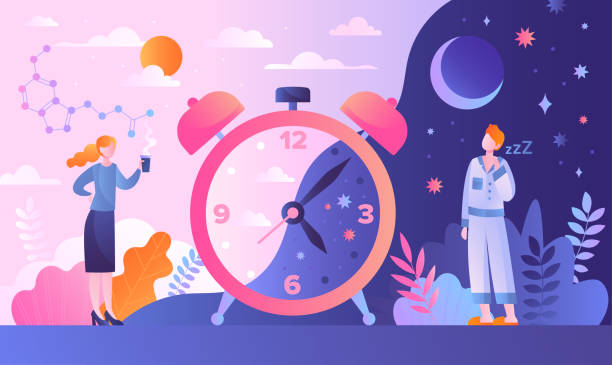
It might seem frivolous to argue over the clocks, but it has real health implications. Disrupted sleep has been associated with heart disease, depression, obesity, reduced cognitive function, stress, memory deficits... The list goes on in the week following the shift to DST. A small bump in car accidents also tends to be recorded.

Unfortunately, sleep was something that, until recently, didn’t get much respect culturally.

That's because our "social clock", ie, the schedule under which our societies operate, and our internal clocks, which are more or less aligned with the sun, are out of whack.


Education:

Teachers know how DST (spring forwards an fall back time) can be disruptive to us, and to students as wellStudents feel tired in the morning during the first week or two. We feel a bit stressed too. 


  • Promote an open debate among your students and at school about DST pros and cons.
  • How does DST affect the sleeping time of the students and the full attention during classes.


Activities

Students are always very curious about why 'things' happen! Here a good way to let them learn about DST fall back time, and some help.


Hope you don't suffer to much with DST. Unfortunaly, I do.

See you next publication. 


"If I were a bird, I would fly about the Earth seeking the successive autumns.”

George Eliot

Well, some people don't like DST fall back. I do love DST Spring but I hate DST fall back time.


G-Souto

06.11.2022
Copyright © 2022G-Souto'sBlog, gsouto-digitalteacher.blogspot.com®


Sources

Euronews


Schools : Oh no ! Fall-back time, again ! Make You Feel Crappy ? bG-Souto is licensed under a Creative Commons Attribution-NonCommercial-NoDerivatives 4.0 International License. 

Thursday, August 12, 2021

June in Review & Youth Day : Celebrating the potential of youth as active partners in the global society !


International Youth Day 2021
credits: UN


"Young people are on the frontlines of the struggle to build a better future for all. The COVID-19 pandemic has highlighted the dire need for the kind of transformational change they seek – and young people must be full partners in that effort."

António Guterres, UN Secretary-General

International Youth Day is celebrated annually on 12 August to bring youth issues to the attention of the international community and to celebrate the potential of youth as active partners in the global society. 

  • Theme 2021:

The theme, “Transforming Food Systems: Youth Innovation for Human and Planetary Health”, aims to highlight that the success of such a global effort will not be achieved without the meaningful participation of young people.

"This year’s International Youth Day highlights solutions developed by young innovators to address challenges to our food systems. They are tackling inequities in food security, biodiversity loss, threats to our environment and much more."


During the 2021 ECOSOC Youth Forum (EYF), the issues and priorities highlighted by young participants included the impact of the COVID-19 pandemic, particularly related to its effect on human health, the environment, and food systems. 

As part of the official outcome recommendations of the EYF, young participants stressed the importance of working towards more equitable food systems.

There is also the risk of zoonotic diseases that can result from unsustainable farming practices and the climate crisis. Population health is also key in addressing food systems challenges, especially as nutrition-related chronic diseases such as obesity, diabetes, cardiovascular disease, and some forms of cancer are major contributors to the global burden of disease.


credits:  UN Women/Amanda Voisard

Youth engagement is essential to the transformation of education into a means for inclusive youth development and sustainable development more broadly.

Through youth education, engagement, innovation and entrepreneurial solutions, this year’s International Youth Day aims to provide a platform for young people to continue the momentum from the EYF in the lead up to the high-level Food Systems Summit

This year, International Youth Day will be virtually convened by DESA in partnership with the Food and Agriculture Organization of the United Nations and the Major Group for Children and Youth. 


International Youth Day 2021
credits: UN

  • Education:

Youth all over the world, be part of the celebrations by organizing your own event or activity! You can organize an event to celebrate International Youth Day in your community, school, youth club, or workplace.

Are your school or or youth group celebrating #YouthDay? Planning a special activity? UN wants to know! 

Let UN know about your event by going to the link HERE to input the details in the form and UN will map it on the IYD World Map of Event.

Oops! I forgot to write about the posts of June. Let's do it ! The world continues to be affected by severe pandemic restrictions. So difficult to all of us. Never ending pandemic.

My usual readers know I publish in English, Français and Português.


Here are the most popular posts of June :


Harry Potter ? And now a store in New York ! Let's dream !


  • There are strict measures to deal with the new wave coronavirus across European countries and other countries all around the world. In-Person lessons will restart in some countries: schools and universities. 

  • Many involve the reintroduction of restrictions that had been eased after last lockdowns. 

    Be safe! Take care!

    G-Souto
12.08.2021
Copyright © 2021G-Souto'sBlog, gsouto-digitalteacher.blogspot.com®


Creative Commons License
Schools : June in Review & Youth Day : Celebrating the potential of youth as active partners in the global society by GinaSouto is licensed under a Creative Commons Attribution-NonCommercial-NoDerivatives 4.0 International License.

Wednesday, December 30, 2020

Happy and Healthy Year 2021 ! Hope, solidarity, serenity !


So we keep waiting
Waiting on the world to change
We keep on waiting
Waiting on the world to change.
[...]

John Mayer,Waiting on the world to change, lyrics

Mudar o mundo é mudar os ponteiros onde se marca o bem e o mal. Não quer dizer pô-los ao contrário, mas dar-lhes andamento certo.


A vontade de transformar o mundo. Desgraçado do povo que não compreende isso: ele não tem génio. E triste do poeta que não sente assim, porque ele não tem simpatia pela vida. 
 
Agustina Bessa-Luís*Mudar o Mundo
Opera Omnia, Dicionário Imperfeito, 
Guimarães Editores, Lisboa, Junho 2008


To my friends and colleagues
May we take the time to let be happy and healthy
How much it means to us family and friends
To have them in our lives.


Happy New Year! Best wishes for 2021!


G-Souto
30.12.2021
Copyright © 2021G-Souto'sBlog, gsouto-digitalteacher.blogspot.com®

Happy and Healthy Year 2021 ! Hope, solidarity, serenity ! by G-Souto is licensed under a Creative Commons Attribution-NonCommercial-NoDerivatives 4.0 International License.

Thursday, December 1, 2016

Schools : World Aids Day #HIVprevention !Resources


credits: UNAIDS

Observed worldwide on 1 December since 1998 World AIDS Day is the moment of the year where millions of people come together across the globe to celebrate people who lost their lives to HIV acknowledge progress made in responding to the epidemic and recommit to ending the AIDS epidemic. 

  • Theme:

This year's WDA theme is "Hands up for #HIVprevention and aims to emphasize the different aspects of HIV prevention (...) what it means for specific groups of people, such as adolescents girls and young women.


World Aids Day
"UNESCO believes in education as the cornerstone of a sustainable and effective approach to HIV prevention… UNESCO joins the UNAIDS Secretariat and Cosponsoring partners in commemorating the first World AIDS Day in the era of the Sustainable Development Goals."  
Irina Bokova, UNESCO Director-General    


World Aids Day
via Birmingham Times
             
Young women between the ages of 15 and 24 are particularly vulnerable to the risk of HIV infection, with 7,500 of them becoming newly infected with HIV every week in 2015. 

Data from studies in six locations within eastern and southern Africa reveal that 90 per cent of 15 – 19-year-old girls in southern Africa and 74 per cent of 15 – 19-year-old girls in eastern Africa accounted for 90 per cent of all new HIV infections among 10–19-year-olds.

These were the findings from the new UN AIDS Get on the Fast-Track Report: The life-cycle approach to HIV, released in the lead up to World AIDS Day 2016.


Addressing the elevated HIV risk and vulnerability of adolescents, particularly girls and young women, UNESCO has been supporting countries to advance the prevention agenda, through work to promote comprehensive sexuality education, as well as through other important health issues, such as strengthening the education sector response to substance use, and preventing violence in schools on the basis of gender, gender identity, or sexual orientation.

UNESCO’s vision for comprehensive action also includes preventing violence in schools on the basis of gender, gender identity, or sexual orientation. 

These issues will be further explored through the December 2016 release of the Global Guidance on School-Related Gender Based Violence and at the International Symposium on School Violence and Bullying: From Evidence to Action in Seoul, Republic of Korea, from 17 – 19  January, 2017.


HIV prevention among adolescents
girls and young women

Education: 

UNESCO’s vision for comprehensive action also includes preventing violence in schools on the basis of gender, gender identity, or sexual orientation.

Whatever students individual situation may be, adolescents need access to the tools to protect them from HIV. Prevention is a pedagogic aim to observe in schools.

Risks and challenges change as students go through life, highlighting the need to adapt HIV prevention and treatment strategies from birth to older age.

So it's to us as teachers to prevent by educating the students. Information about risks and tools to protect them from HIV is an important competence for their life.


  • Resources:

Brochure:
Hands Up For Prevention

Videos:


On this World AIDS Day, I call world teachers, parents, schools to help adolescents to prevent from AIDS. AIDS is not over, but it can be.

G-Souto

01.12.2016
Copyright © 2016G-Souto'sBlog, gsouto-digitalteacher.blogspot.com®

Creative Commons License

Schools : World AIDS Day #HIVprevention  ! Resources bG-Souto is licensed under a Creative Commons Attribution-NonCommercial-NoDerivatives 4.0 International License.