Showing posts with label face-to-face Literature teaching. Show all posts

Thursday, May 3, 2012

April: rundown of the most-read posts


"If education is to be relevant for today’s learners, it needs to break from the  constraints of conformity and allow for differentiation by focusing on individual identity development within each individual’s own context, culture and ability.”


Mentis (2007)

This quote identifies the diversity of pedagogical proposals that I share with you throughout the year. I believe and practice the differentiation by focusing on individual identity of my students. I wrote about it on the differentt posts of my blog.

April rundown shows the diversity of subjects and summarize the most-read topics in a collection of seven posts.


Poster: Juan Gedovius

April 2 is a very special day! International Children's Day! And why is so special? It is special because I love books,  I love reading, I love children's books. And I share this  love of reading with all my students.

Since 1967, on or around Hans Christian Andersen's birthday, 2 April, International Children's Book Day (ICBD) is celebrated to inspire the love of reading and to call attention to children's books.

Mexico is the sponsor country 2012! The theme is "Once upon a time,


"Había una vez un cuento que contaba el mundo entero. Ese cuento en realidad no era uno solo, sino muchos más que empezaron a poblar el mundo con sus historias de niñas desobedientes y lobos seductores, de zapatillas de cristal y príncipes enamorados, de gatos ingeniosos y soldaditos de plomo, de gigantes bonachones y fábricas de chocolate."(...)

Francisco Hinojosa 


The winner: Portuguese team
One of the world's best known and long-lived international robot competitions, the low-cost annual Trinity College Fire Fighting Home Robot Contest (TCFFHRC) brought robot enthusiasts and engineers of all ages to Trinity’s campus in Hartford on the weekend of March 31-April 1, 2012. 

Portuguese students win Robotics competitionThe winner in the category "Junior Division 2012" is the Portuguese team "BeeFree NewTech", students from University of Coimbra and Instituto Politécnico Coimbra, Portugal.

The winner project, "BeFree" connects the robotic and therapy for individuals with mobility impairment.


Wall-E (filme)

Let's continue to inspire our students, this time for Earth Day 2012, elevating the importance of environmental issues around the world.  School time is a wonderful place to begin this values.

Wall-E! A green resource for Earth Day 2012Yes! Because I was thinking about Wall-E as a green digital resource to display in the classroom. A touching digital storytelling about the planet.

Earth Day is not about a day! Earth Day is about every day! So, educators can teach environment values in different moments of their lessons, providing some thoughts and digital resources, educating young people for a sustainable future and inspiring them being a good example.


The Portuguese Robotics Schools Open 2012 & International Conference which had its 1st edition in 2006, aims at promoting Science and Technology among students from the 1st grade to vocational and university studies through robot competitions. 
The Festival includes also an international conference where national an international researchers present their latest work in the field of Robotics.


You know I believe in Robotics in school education. Last week I wrote  Portuguese students win Robotics Competion and if you search "Robotics in education" on this blog, you will find other publications in 2011 and 2010.

The result is a fun, exciting and stimulating activity in which students discover the important connection between classroom lessons and real-world applications.


World Dance Day & Education: Since 1982, by the initiative of the International Theatre Institute (ITI), Dance is celebrated throughout the world every year on the 29th of April. 

In 2012, ITI organized the celebration of the 30th Anniversary of International Dance Day on the 25th of April at UNESCO in Paris, honoring one of the most talented dance artists of our time, the Belgian-Moroccan Sidi Larbi Cherkaoui


"Je crois que la danse est l’une des formes d’expression les plus honnêtes, que nous devons chérir : car lorsque les gens dansent, que ce soit dans un ballet, une 
battle hip hop, un spectacle expérimental de danse contemporaine ou simplement dans une discothèque, ils se lâchent, et rarement alors les mensonges peuvent se déployer, les masques se porter."

Sidi Larbi Cherkaoui

Dance is a fun and fresh integrative part in the school curricula. Dance is also a good therapy for young people in the school. Dance movement therapy and the power of dance is used to inspire, uplift and heal.

Dance give to students the concentration discipline and the pleasure to express themselves with creativity.
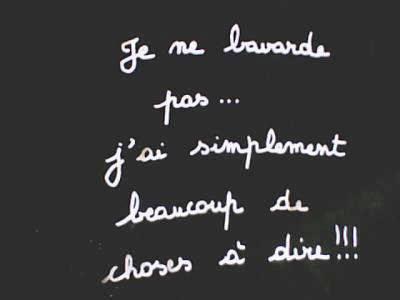


"J’enseigne la philosophie en lycée depuis bientôt vingt ans et, au fil des années, je me suis rendu compte que, dans les classes, le problème le plus répandu et le plus délicat à négocier était le bavardage.

Florence Ehnuel

Bavardage! Parlons-en? Le bavardage? Pas facile à définir. Il peut marquer des états différents: un réel intérêt pour le cours ( et ça j'aime bien et j'en profite) ou alors un réel détachement. 

Moi, en tant que peofesseure de langues, je vois souvent le bavardage comme un élément positif, Il peut contenir une certaine pédagogie active, en particulier de la mienne, à savoir un bavardage pleinement 'autorisé', un temps d’expression verbal surtout d’entrée de cours ou petite 'pause' pendant le cours.
Il n'est pas à proscrire, et il est conseillé si c'est le reflèxe de l'interêt des étudiants au sujet qu'on présente en cours. 
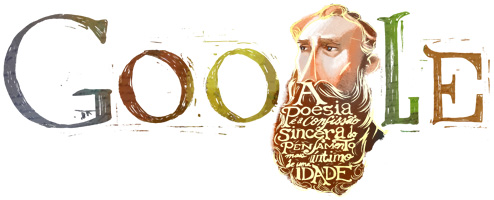

Antero de Quental | Google doodle
www.google.com
Verdade! Hoje Google homenageia o poeta e filosófo português Antero de Quental no seu 170º Aniversário.

Depois de celebrar Fernando Pessoa, uma nova homenagem a outro grande poeta (e filsósofo) de língua portuguesa.

A homenagem de Google, ligação às novas gerações, provocará certamente a curiosidade dos estudantes mais jovens.


Poderia ser então ponto de partida para uma interessante introdução ao autor num mês que é profundamente dedicado aos livros, à poesia, à literatura em geral

Entre o Dia Internacional do Livro Infantil  (blogue educativo língua portuguesa) ouInternational Children's Book Day e World Book and Copyright Day falar de Antero de Quental e da sua poesia poderá ser uma excelente motivação para  o posterior aprofundamento do estudo da obra do autor.


I really hope that you enjoy every pedagogical proposal written in April or discover some new pedagogical ideas to introduce in your lessons.

Thank you very much to all the colleagues from around the world that kindly read my blog and visit it every day.

G-Souto

03.05.2012
copyright © 2012G-Souto'sBlog, gsouto-digitalteacher.blogspot.com

Licença Creative Commons
April: rundown of the most-read posts bG-Souto is licensed under a Creative Commons Attribution-NonCommercial-ShareAlike 3.0 Unported License.

Tuesday, October 25, 2011

Dia Bibliotecas Escolares 2011


"Ninguém nasce leitor"

Teresa Alçada

Verdade! Cabe aos professores, aos pais, incentivar os jovens para a leitura. Os jovens fazem dos adultos, até à fase pré-adolescente, os seus exemplos numa tentativa de se aproximarem daqueles de quem mais gostam.

Hoje é um dia muito especial! É dia 24 Outubro, Dia das Bibliotecas Escolares. E Outubro é também Mês Internacional das Bibliotecas Escolares 2011.

Como vêem, muita coisa boa! Uma excelente oportunidade para levar os alunos até à biblioteca da escola e participar em actividades propostas para este dia. Uma data tão importante para o desenvolvimento das competências da leitura e da escrita criativa.


Fotografia: AP

Ler é pois um dos valores maiores que podemos transmitir aos nossos alunos. E eu sinto uma imensa alegria em ter formado uma pléiade de novos leitores.

Eu adoro ler. E isso respira-se nas minhas aulas.


Os alunos são muito sensíveis ao facto de terem como professores, alguém que adora ler, e lhes transmite esse afecto pelos livros. 

Lembro algumas das estratégias que utilizava para despertar o seu interesse pela leitura.

Estratégias:
  • Ler
O meu primeiro passo para os cativar? Aromatizar os últimos momentos de várias aulas com a leitura de um parágrafo ou dois, de vários livros, pouco conhecidos na escola, e que comprava só para os incentivar.

Levava esses livros para a sala de aula e lia alguns excertos. Assim, despertava nos alunos a curiosidade suficiente para continuarem sozinhos a leitura desses ou de outros livros da sua preferência.

Convidava-os a seguir os meus passos e a trazer para a aula seguinte um livro que, tal como eu, liam para a turma. Era delicioso.

Com essa pedagogia da motivação, "semeava leituras não catalogadas". E assim, fui formando um imenso número de cativados jovens leitores e leitoras que passaram a fruir do grande encanto de ouvir ler histórias, de ler por prazer, e de comprar, com a sua semanada, livros.

Que enriquecedor para nós, como professores, e que bom para eles, como alunos, apetrecharem-se de "Saber para a Vida"!


Tantos os livros, os projectos, ao longo dos anos! Relembro alguns, em publicação num blogue para alunos, criado para enriquecimento das actividades escolares.


John Harding


  • Escrever

Foram, muitos os textos de escrita criativa que aprimoraram, os livros que lemos, as conversas que tivemos, os concursos literários juvenis em que participaram, tantas as actividades que abriram à comunidade escolar, as visitas de estudo relacionadas com o desenvolvimento cultural e literário.

Não posso deixar de referir ter dedicado um post a uma aluna, hoje uma jovem escritora Marta Portocarrero, aluna do grupo que fez parte do projecto com o escritor António Venda (anterior à criação do blogue alunos) baseado num conto de uma pequena antologia do autor: "Contos para Kate". 

Entusiasmou alunos e professores que, num projecto transcurricular Língua Portuguesa, Educação Visual e Educação Musical, desenvolveram actividades muito interessantes de escrita criativa e elaboração de pequenos livros ilustrados com texto do autor que foram oferecidos ao escritor, em visita à escola.


Foi fantástico! Um projecto aberto a toda a comunidade escolar, na "Conversa com um Jovem Escritor - António Manuel Venda" na biblioteca da escola, sessão essa que encerrou com um momento musical interpretado (canto e instrumental) pelos alunos das turmas envolvidas.

Lamento não ter ficado com as fotografias! O autor ficou muito sensibilizado.


José Luís Peixoto
Fotografia: Augusto Brázio

Depois desse, tivemos o projecto Conversas com o escritor José Luís Peixoto complementado com uma visita de estudo para conversar com o autor .


As actividades em que os alunos se envolveram geraram, mais uma vez, muito entusiasmo. Tivemos depois a a honra de ler o comentário de José Luís Peixoto deixado no BlogdosCaloiros, blog curricular dos alunos de Língua Portuguesa.


José Luis Peixoto | livro

Há fotografias do autor em conversa com os alunos que fizeram parte desta postagem, apenas durante 48 horas para os alunos, pais, e autor pudessem tomar conhecimento. Foram depois desse período retiradas, pelo respeito que temos em preservar a privacidade de todos os jovens adolescentes com idades inferiores a 16 anos.

Tantos os projectos, as actividades, as leituras, as conversas, com o objectivo de desenvolver competências em Leitura e da Escrita Criativa.


Neste blogue, poderão encontrar muitas outras postagens dedicadasb à Leitura nas Escolas. É uma questão de pesquisarem.


Aqui fica o singelo testemunho de uma professora de Línguas e Literatura, neste dia dedicado às Bibliotecas Escolares.


G-Souto

24.10.2011

Copyright © 2011G-Souto'sBlog, gsouto-digitalteacher.blogspot.com®


Créditos: video Leya Brasil
Licença Creative Commons

Friday, July 1, 2011

e-Books and School Library


Last post, I wrote about the importance of JK Rowling books to captivate a new public of readers at school.

"All educators of Languages curriculum can assure that the "Harry Potter 'folie' brought enormous number of new readers in the Languages courses in the school, since we as educators understood the importance of reading the Harry Potter books in the curriculum of Languages and Literature."


As I read five books Harry Potter in the Literature | Language classroom with my students, I can say having a Master degree in Literature and Linguistics that the story world of Harry Potter is vastly detailed and believable enough for a young-adults fiction.
  
Almost every character had flaws to overcome which made them fascinating to read. The mysteries were masterfully produced by Rowling and cleverly explained.  All of these things drove the story forward.  They were all great elements to help create the whole.

And JK Rowling wrote for the present. As her audience grew up so did the story.

Education:


Diversity in children and adolescents' books had long been a complex issue. Despite good  efforts and some big strides forward in the last years, children's books remained disappointingly short of enough culturally diverse stories.

So, in the 90's, Eragon and Harry Potter were the first books that contained a suitable number of pages and a good story to captivate youngs really absorved into a book.

I can't be so helpful about books which challenge gender stereotypes. Whenever one is published there is a media storm of protest. But this is another point not included here.
Though there are not enough, there are some and they are excellent.

The idea of JK Rowling transforming her books in e-books on Pottermore.com bring to my thoughts another important matter: Best practices in school library.


Interactive children’s books for the iPad are becoming more engaging and, in some cases, are visually stunning. Remember Alice in Wonderland for iPad or iPad features & Education?

The Kindles, Nooks and iPads, Oh My! Implementing eReaders into the school libraries program is about more than just jumping on the latest technological bandwagon or attempting to reinvent the library in order to stay relevant. It’s about good practice in school library, an impressive support to students.

So. let's follow Buffy J. Hamilton, an teacher librarian, and her ideas to understand how eReaders have helped them provide students with: 

a) access to the most up to date titles, 

b) the unique ability to efficiently link works of fiction with non-fiction resources and, 

c) the opportunity to interact with texts in ways that are simply not possible with traditional, library owned, books – all in an environment that both appeals to and enhances their skills as 21st century learners.

Now! My question is: Are school libraries prepared to introduce innovative devices? Sometimes, teachers librarians are conservative. And directors are not so open to new ideas.

And there is another point! A very important one! The chidren's preparation for e-Readers, especially children and adolescents students from disadvantaged social backgrounds

So, perhaps the Jennifer LaGarde slideshare below might help...

Conclusion:


The critical thing that is happening is students are living and breathing, within a much larger sphere of information and knowledge. That critical openness to knowledge, that is something we had better address, or we are ill-serving our students. Seeing students utilize the information literacy skills we have previously taught them in a new context and independently without it being a mandate is probably one of the most joyful experiences as an educator.  

We pay attention! Always!

G-Souto

01.07.2011
Copyright © 2011G-Souto'sBlog, gsouto-digitalteacher.blogspot.com®

Credits: video Jennifer LaGarde

Licença Creative Commons
e-Books and School Library by G-Souto is licensed under a Creative Commons Attribution-NonCommercial-ShareAlike 3.0 Unported License.