
The Present
short animation
by Jacob Frey
The Present is a touching short animation, created by Jacob Frey, about a young boy with some disability and his new dog.
The short appropriately titled The Present, was a thesis project from filmmaker Jacob Frey, who wrote, directed and animated the entire short. He developed it with several others as a thesis project at the Filmakademie Baden-Wuerttemberg in Ludwigsburg, Germany.


The Present
short animation
by Jacob Frey, 2014
"This project is my thesis from Filmakademie Baden-Württemberg, got entirely animated by myself and took a little over a year to finish it from scratch to final comp. It was built and animated within Maya, we used Pixar Renderman for the rendering and used Yeti Fur for the fur pipeline."
Jacob Frey
It's been screened at over 180 film festivals around the world and has raked in more than 50 awards. Frey deserves it. The short animation is so touching!

The Present
short animation
by Jacob Frey
When I first started watching it, I was pretty angry with the kid who gets this new present. The boy, who appears entranced in his video game, at first, treats his present poorly due to a missing leg. Then, I found out why...
Synopsis:
The short animation tells the story of a boy who rather spends his time indoors playing video games instead of discovering what's waiting in front of his door. One day, his mum decides to do a little surprise to her son. And it will be harder to concentrate on his video game...

Perfection
comic strip
Frey’s short animation is based on the comic strip titled “Perfection” by the artist Fabio Coala, a comic also emotional. Originally published in 2012, this comic strip has been transformed into an award winning animated short film, also titled The Present, by Jacob Frey.

The Present
short animation
by Jacob Frey
- Some information:
Did you know that animated shorts used to be shown in theaters before feature - length films?
Indeed, it's true. Sometimes it happens when I go to the movies. This is a great way to showcase new talents and warm up the audience before diving into a bigger story.
Disney is keeping this tradition alive today with lovely little films like Paperman, premiered before Wreck-It Ralph in 2012.
My usual readers know I love animated films and I include some into school curriculum. So, I often share with you on my blog, some shorts. Paperman is one of them. It's a lovely digital resource to inspire a Valentine's Day lesson. It had a huge success! Don't miss the publication.
 |
The Present
short animation
by Jacob Frey
Education:
The Present is a well done short animation with an huge problem: Disabilities. Teens and disability. And why not animals and disability?
Teens disability is a very delicate problem that we have to face in our classes. Especially, we must help classmates to understand and be kind. When we see that a student has some kind of disability, we can't let his classmates stigmatize him. We must act.
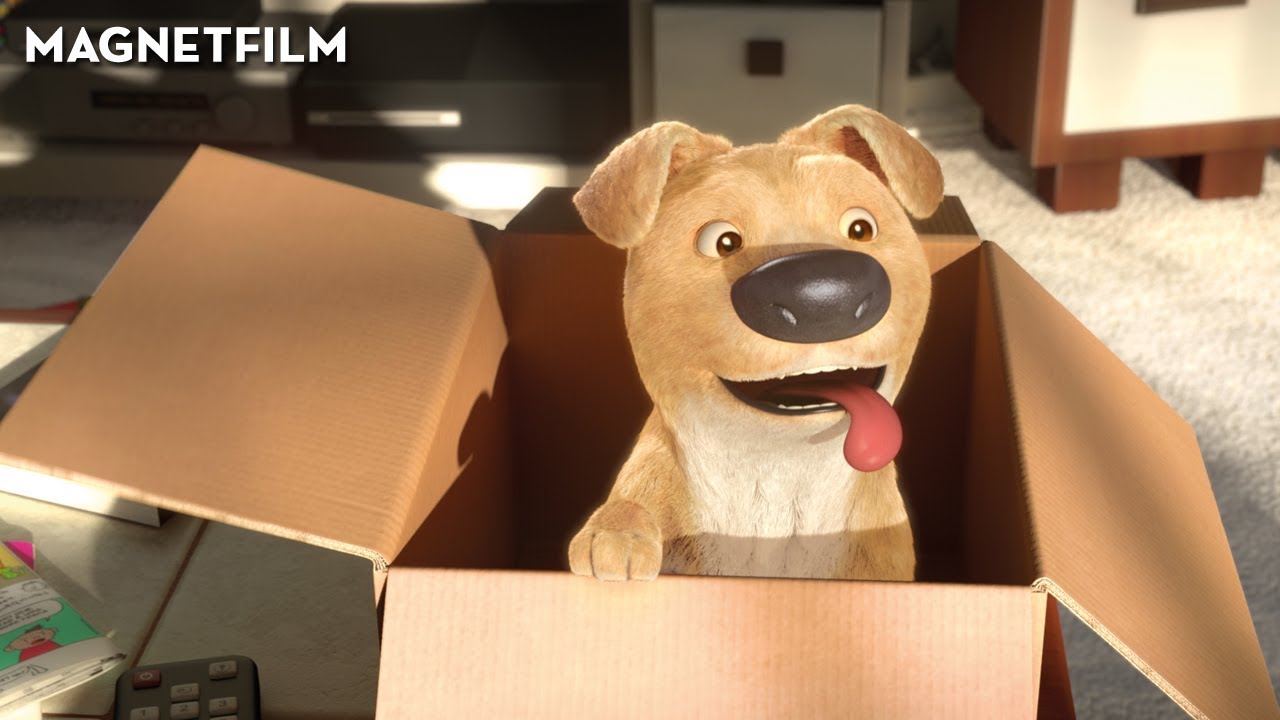
The Present
So this short is a touching pedagogical resource to include the theme 'Disabilities' into your curriculum. Every child should be able to succeed in every area taught in schools, no matter the disability.
- How to do it?
I recommend displaying the short in the classroom before reading the comic that it was based on. However, no matter what order you decide to include these resources into the curriculum, you must be sure that your students will be touched by this powerful story of friendship and love between a special boy and a very special puppy.
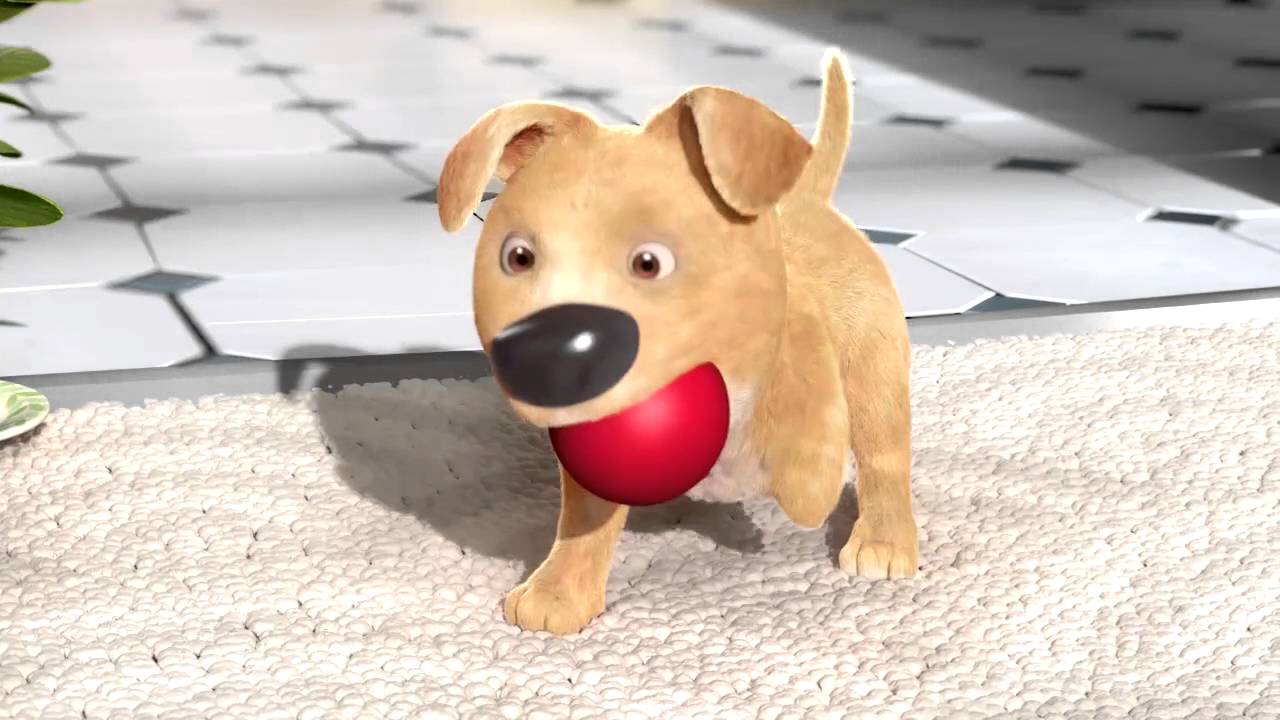
The Present
This pup only has three legs. He’s missing one of his front legs, but that doesn’t slow him down. It brings the boy out of his shell and helps him realize that we can be happy the way we are, even if we aren’t 'perfect'.
The Present, the dog continues to respond positively, while the boy name Tiga, also demonstrates resilience, yet this is a quality often explored through the human traits of the dog protagonist.
The Present from Jacob Frey on Vimeo.
- Let's explore the short :
- Theme: Teenagers and disability.
- Languages: English and other languages.
- Level: Primary education; Secondary education (different grades); Vocational Arts (Multimedia).
- Time: Two/three lessons. It will depend of the activities you will prepare to complete this pedagogical resource.
- Age: All ages. Pay attention to the activities you will prepare depending of the age and level you are teaching.
Activities:
Displaying the short animation, predicting the reasons of the bad attitudes from the boy to the little puppy, pay attention to the first reactions from your students, estimating the end of the short. The puppy's role is important as well.

The Present

The Present
short animation
by Jacob Frey
- Display the short in two parts. The first one until the dog doesn't give up to play with the boy.
- Ask your students to summarise the story that animation tells. And then ask to predict the rest of the short.
- Tell your students they are going to watch the continuation of the short. As they are watching, they should compare the end that they imagined with the real end of the short.
- Students will discus the short in the classroom and then they will be invited to watch the emotional comic trip by Fabio Coala.
- Both texts ( comic trip and animation) demonstrate a shifting emotional response for the main characters: from anger to acceptance in The Present, with Tiga’s exuberant positivity tempered by an understanding that trust is based on mutual respect.
- Hold a plenary discussion based on the two educational resources: the short animation and the comic trip.
Linguistics:
Practizing vocabulary and grammar : character; adjectives:
- Adjectives to describe character of the boy and behaviour of the dog.
- Get feedback from the whole class on the boy’s character and behaviour.
 |
Some thoughts:
Animated films can be include into school curricula to teach different skills. Please read my publications Exploring Animated Movies in Education and on Éducation : on parle films d'animation en français?
- Animated films are amazing! What a wonderful resource to get motivate students and keep them focused!
- Animations, short or not, can offer teachers and students a nice inspirational push to have an amazing lesson!
 |
The Present/ Jacob Fry/ YouTube
short animation
by Jacob Frey
The Present is a captivating digital resource:
- to teach literacy, grammar, morals, civics, animation, other;
- to talk about equity, tolerance, friendship. Students with some disability must be seen for their classmates as equal.
- to reinforcing values, skills, reading, writing, composing, or introducing the skill of inference.

- Equity, morals, civics:
Displaying The Present at your in-person lesson is very important to include teen disabilities into the curriculum.
We have some students with disability in our classes. Sometimes they feel stigmatized, they have some difficulty to accept their disability. And classmates also have some limitations to see these students as a equal.
This is the role of the teacher. And this short film helps in a touching way.
This is the role of the teacher. And this short film helps in a touching way.
This short animation makes everyone realize that even if we are missing a leg, we can be perfect and happy, just like this cute little puppy. A lesson for many out there.
Ask your students to adopt a pet with disability. Pets are so grateful and devoted!


The Present
short animation
by Jacob Frey
- Languages : Narrative, grammar, vocabulary:
The Present, a kind and emotional narrative without words let us know so many things. It tells us what happened. Why it happens. It tells us a story. In this case, an emotional narrative that will touch students and teachers.
Students love to hear stories, watch, write or draw stories. This one is particularly special.
The positive attitude - joy - of the little dog, even when the boy keeps it away helps the boy to see himself as a 'normal' teen.
Exploring animations will help the students to develop great values, and create better storytelling.
Exploring animations will help the students to develop great values, and create better storytelling.
"We come to love not by finding a perfect person, but by learning to see imperfect person perfectly."
G-Souto
16.02.2016
Copyright © 2016G-Souto'sBlog, gsouto-digitalteacher.blogspot.com®


